Brunei
Islamic Culture & Traditions
Capital
Bandar Seri Begawan
Language
Malay, English
Religion
Islam (official state religion)
Currency
Brunei Dollar (BND)
Time Zone
UTC+8
Best Time to Visit
February - April
The Brunei guides
Free to read, no account needed.
Overview
Brunei is a small, wealthy sultanate on the island of Borneo with a deeply Islamic culture. Respect for the royal family, adherence to Malay Islamic Monarchy (MIB) philosophy, and conservative social norms define daily life.

Islamic Cultural Values
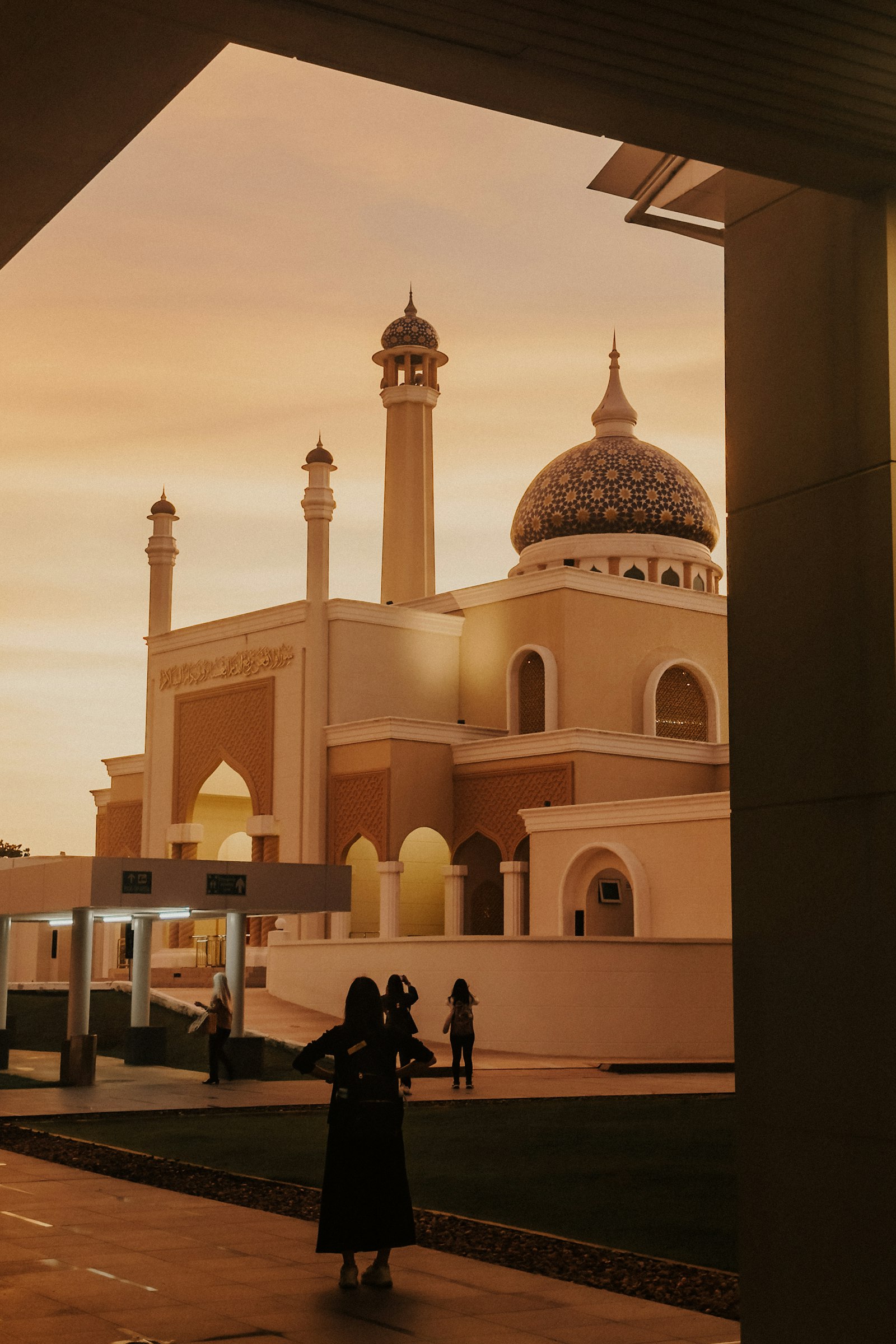
Brunei is governed by the Malay Islamic Monarchy (MIB) philosophy, which combines Malay cultural identity, Islamic principles, and loyalty to the monarchy. Islam is the official state religion and Sharia law is implemented alongside civil law. Understanding and respecting these religious foundations is essential for anyone considering a relationship in Brunei.
Daily life in Brunei revolves around Islamic practices. The call to prayer sounds five times daily, and many businesses close during Friday prayers. During Ramadan, eating, drinking, and smoking in public during daylight hours is prohibited. Showing respect for these practices, even as a non-Muslim, is fundamental to being accepted in Bruneian society.
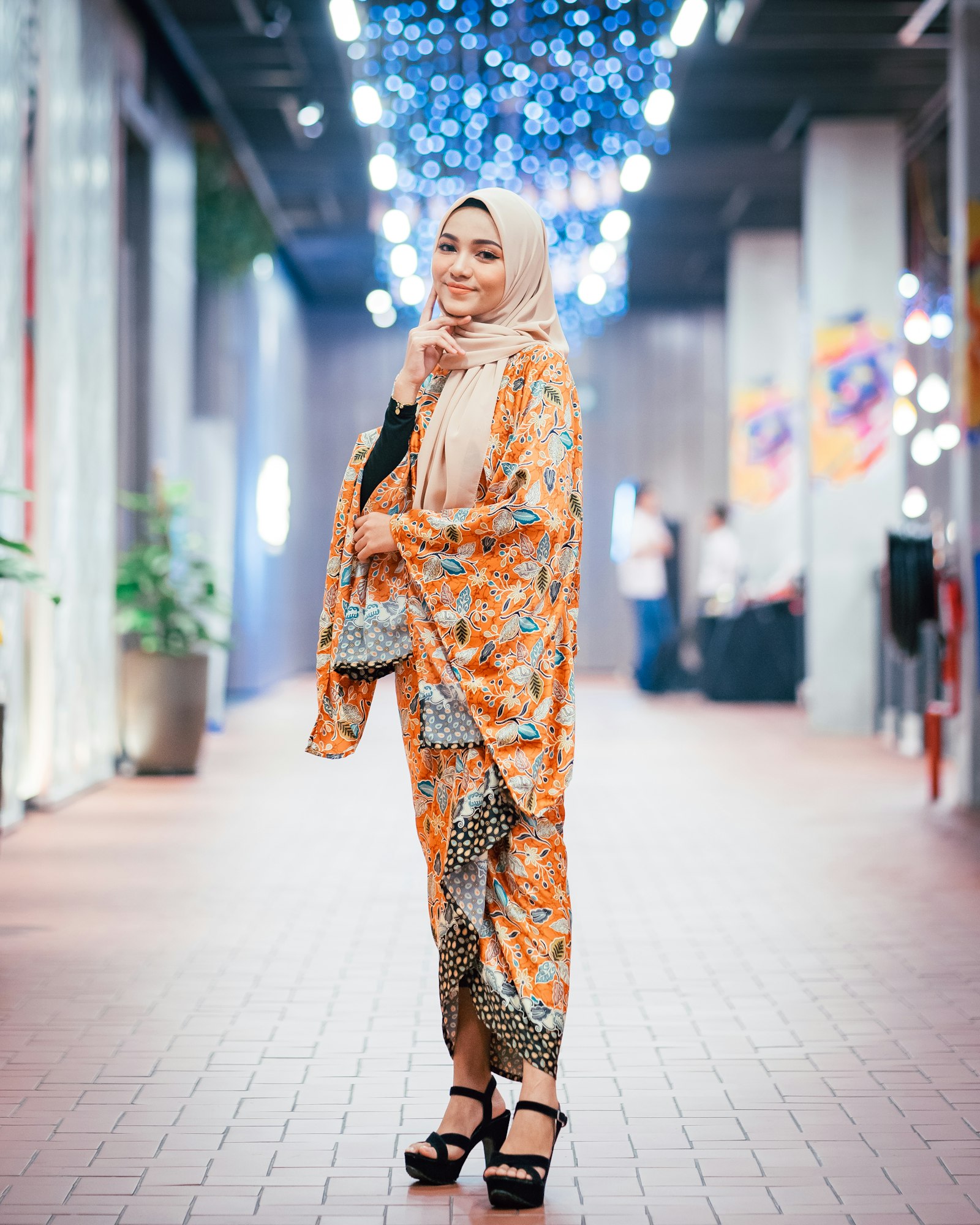
Modesty in dress and behavior is expected, particularly for women. Conservative clothing that covers the shoulders and knees is the norm. Public displays of affection are frowned upon, and alcohol is prohibited in the country (though non-Muslims may import limited quantities for personal consumption). Understanding these social boundaries is crucial.
Interfaith relationships in Brunei carry significant considerations. If a non-Muslim man wishes to marry a Bruneian Muslim woman, conversion to Islam is generally expected. This is a serious commitment that goes beyond a formality — it involves embracing Islamic practices and values. Having honest conversations about faith and expectations early in a relationship is essential.
Wealthy & Stable Nation
Brunei is one of the wealthiest nations in Southeast Asia, thanks to its substantial oil and natural gas reserves. Citizens enjoy generous government subsidies, free education, and free healthcare. There is no income tax, and the government provides various forms of financial support to its citizens. This wealth shapes the social landscape and relationship expectations.
The high standard of living means that financial motivation in relationships is less of a concern than in some other Southeast Asian countries. Bruneian women are generally well-educated, with access to government-funded education including overseas university scholarships. Many are professionals in their own right, seeking partners who match their educational and social standing.
Brunei's economy is heavily dependent on oil and gas, but the government is actively diversifying through its 'Wawasan 2035' (Vision 2035) plan. This includes developing sectors like tourism, financial services, and technology. Understanding the economic landscape provides context for your partner's career aspirations and family expectations.
The country's small size (population around 450,000) means that communities are close-knit and reputation matters enormously. Word travels quickly in Bruneian society, and maintaining a good reputation is important for both you and your partner. Being respectful, discreet, and genuinely committed to the relationship will serve you well.
Malay Traditions
Bruneian culture is rooted in Malay traditions that predate the arrival of Islam. These traditions continue to influence social customs, ceremonies, and daily life, creating a rich cultural tapestry that blends indigenous Malay practices with Islamic values.
Traditional Malay customs play a significant role in Bruneian weddings, which are elaborate affairs involving multiple ceremonies over several days. The 'berbedak' (application of ceremonial paste), 'bersanding' (enthronement of bride and groom), and 'majlis persandingan' (wedding reception) each carry specific customs and expectations. Understanding these traditions shows respect and willingness to participate in your partner's culture.
Bruneian cuisine reflects the country's Malay heritage with dishes like ambuyat (a starchy staple made from sago), nasi katok (rice with fried chicken and sambal), and various seafood preparations. Food is an important part of social life, and sharing meals together — particularly during Ramadan's iftar (breaking of fast) — is a meaningful cultural experience.
Respect for the Sultan and royal family is deeply ingrained in Bruneian society. The Sultan of Brunei is both head of state and head of the Islamic faith. Royal events, national celebrations, and the Sultan's birthday are important occasions. Showing appropriate respect and interest in these traditions demonstrates your commitment to understanding Bruneian culture.
Close-Knit Communities
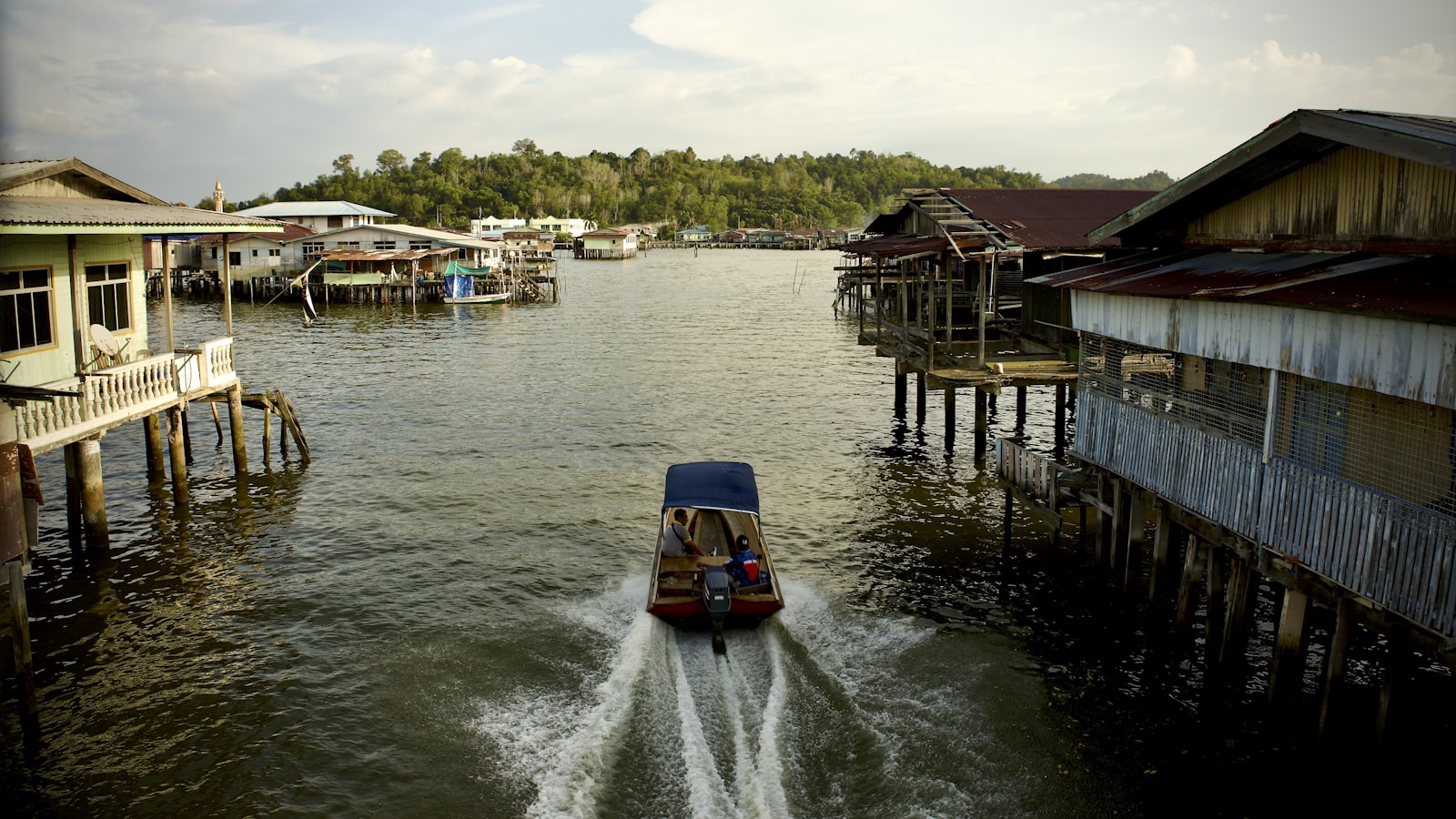
Brunei's small population creates an intimate social environment where community connections are strong and personal relationships are highly valued. This close-knit nature means that building genuine relationships — not just with your partner but with her extended community — is both important and rewarding.
The concept of 'kampung' (village) community spirit remains strong even in urban areas. Neighbors look out for one another, and community events bring people together regularly. Being willing to participate in community activities, from mosque events to neighborhood gatherings, shows that you're committed to becoming part of the social fabric.
Brunei's multicultural population includes Malay, Chinese, and indigenous groups, each contributing to the country's social tapestry. While Malay Muslims form the majority, Chinese Bruneians play an important role in business and commerce. Understanding the dynamics between these communities provides valuable context for social interactions.
The expatriate community in Brunei, while smaller than in some neighboring countries, is established and welcoming. International schools, social clubs, and community organizations provide support networks for newcomers. The shared experience of living in a small, unique country tends to bring the expat community together closely.