Cambodia
Cultural Insights & Heritage
Capital
Phnom Penh
Language
Khmer
Religion
Theravada Buddhism (97%)
Currency
Cambodian Riel / US Dollar
Time Zone
UTC+7
Best Time to Visit
November - April
The Cambodia guides
Free to read, no account needed.
Overview
Cambodian culture emphasizes resilience, family loyalty, and Buddhist values. Understanding the impact of history, the importance of respect and humility, and traditional gender roles will help you build meaningful connections. Cambodia offers ancient wonders, authentic cultural experiences, and a growing expat scene.
Buddhist Traditions
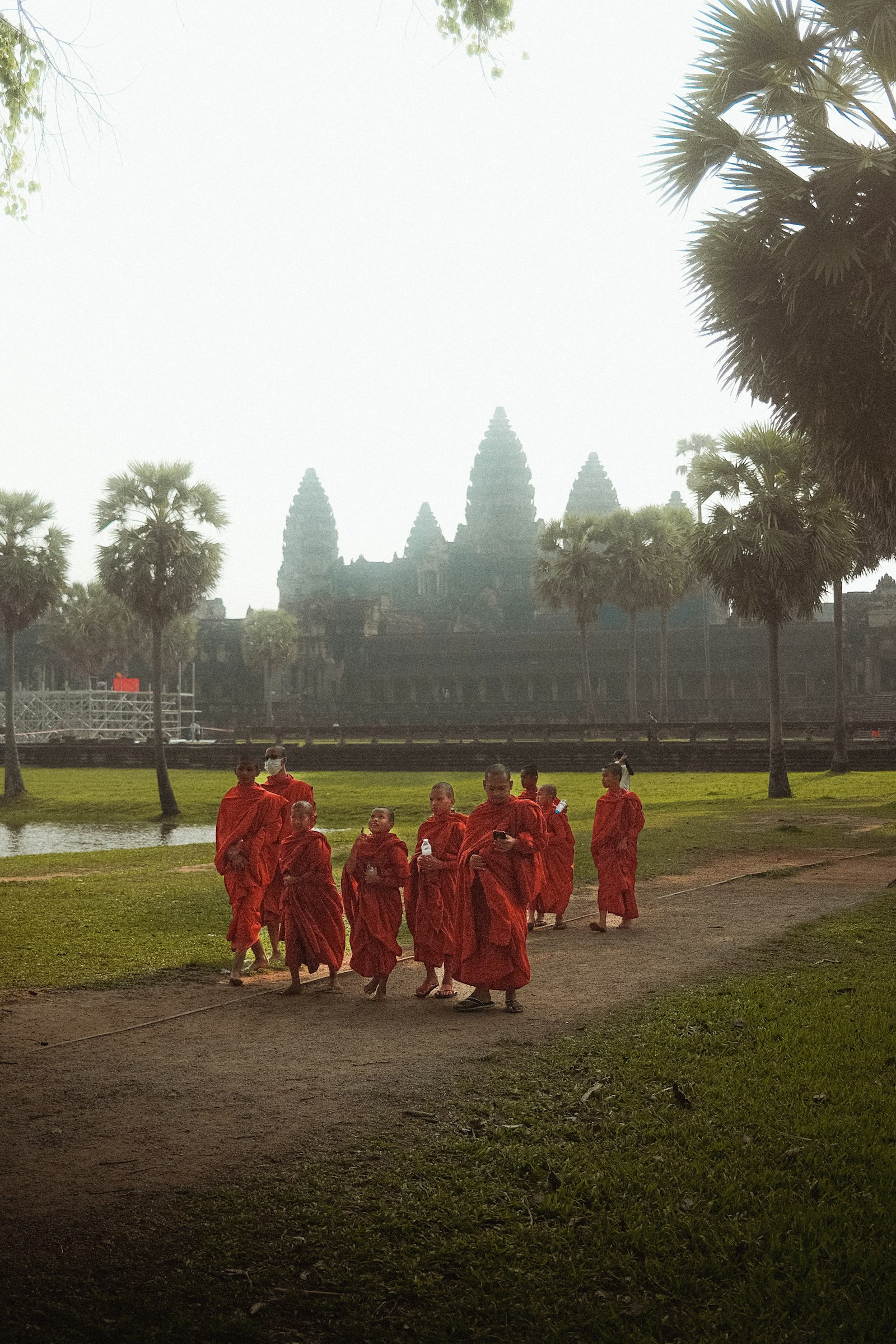
Theravada Buddhism is the dominant religion in Cambodia, practiced by approximately 97% of the population. It permeates every aspect of Cambodian life, from daily routines to major life decisions, and understanding its role is essential for building relationships in Cambodia.
Temples (wats) serve as community centers, schools, and places of refuge, not just places of worship. Many Cambodian men spend time as monks at some point in their lives, often during their youth. This practice is seen as a way to earn merit for the family and is highly respected. Supporting a partner's family in making merit (through donations to temples or supporting monks) is a meaningful gesture.
Buddhist holidays and ceremonies mark the calendar year. Pchum Ben (Ancestors' Day) is one of the most important, when Cambodians visit temples to offer food to the spirits of deceased relatives over a 15-day period. Water Festival (Bon Om Touk), Khmer New Year (April), and Visak Bochea (Buddha's birthday) are other major celebrations you should understand and participate in.
The Buddhist concept of 'karma' strongly influences Cambodian worldviews and relationships. Many Cambodians believe that their circumstances — including who they meet and fall in love with — are influenced by actions in past lives. This perspective can bring a sense of destiny to relationships that is quite different from typical Western attitudes.
Strong Family Bonds
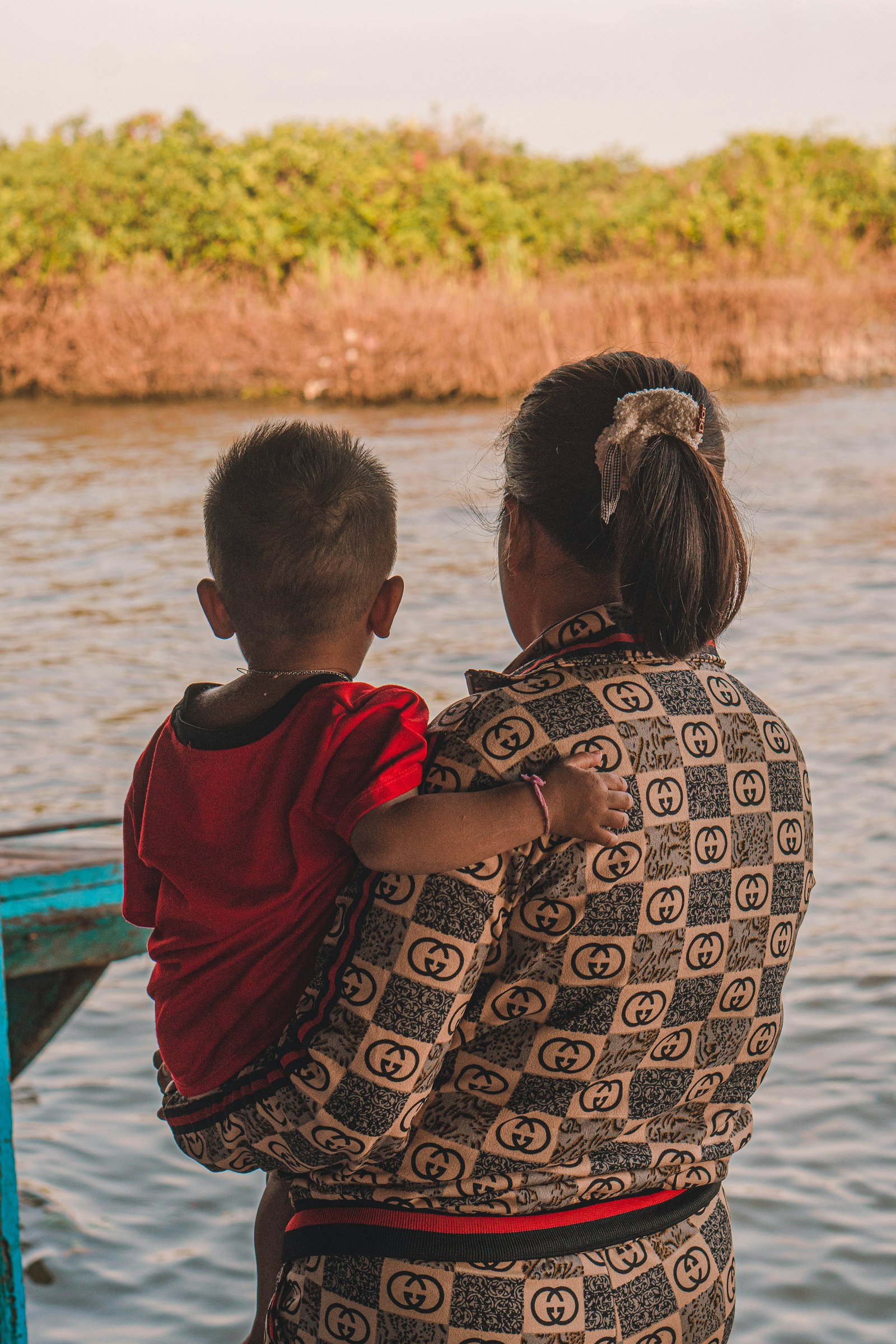
Family is the fundamental unit of Cambodian society, and family bonds are exceptionally strong. Multi-generational households are common, with grandparents, parents, and children often living together or in very close proximity. When you enter a relationship with a Cambodian woman, her family becomes your family — this is not optional.
The Khmer Rouge era (1975-1979) devastated Cambodian families and society, and its effects are still felt today. Many families lost members during this period, making surviving family connections even more precious. Showing sensitivity to this history and understanding that some family dynamics may be influenced by intergenerational trauma is important.
Respect for elders is paramount in Cambodian culture. Greeting older family members with a 'sampeah' (palms pressed together, similar to a Thai wai) and using appropriate terms of address shows respect. Decisions about marriage traditionally involve family consultation, and the groom's family may need to provide a bride price ('somh koah') to the bride's family.
Financial support for family is expected and should be viewed as an investment in your relationship, not a burden. Helping with a sibling's education, contributing to a parent's medical care, or supporting the family during difficult times demonstrates that you are a reliable and caring partner. Open communication about finances and expectations is essential from early in the relationship.
Ancient Heritage
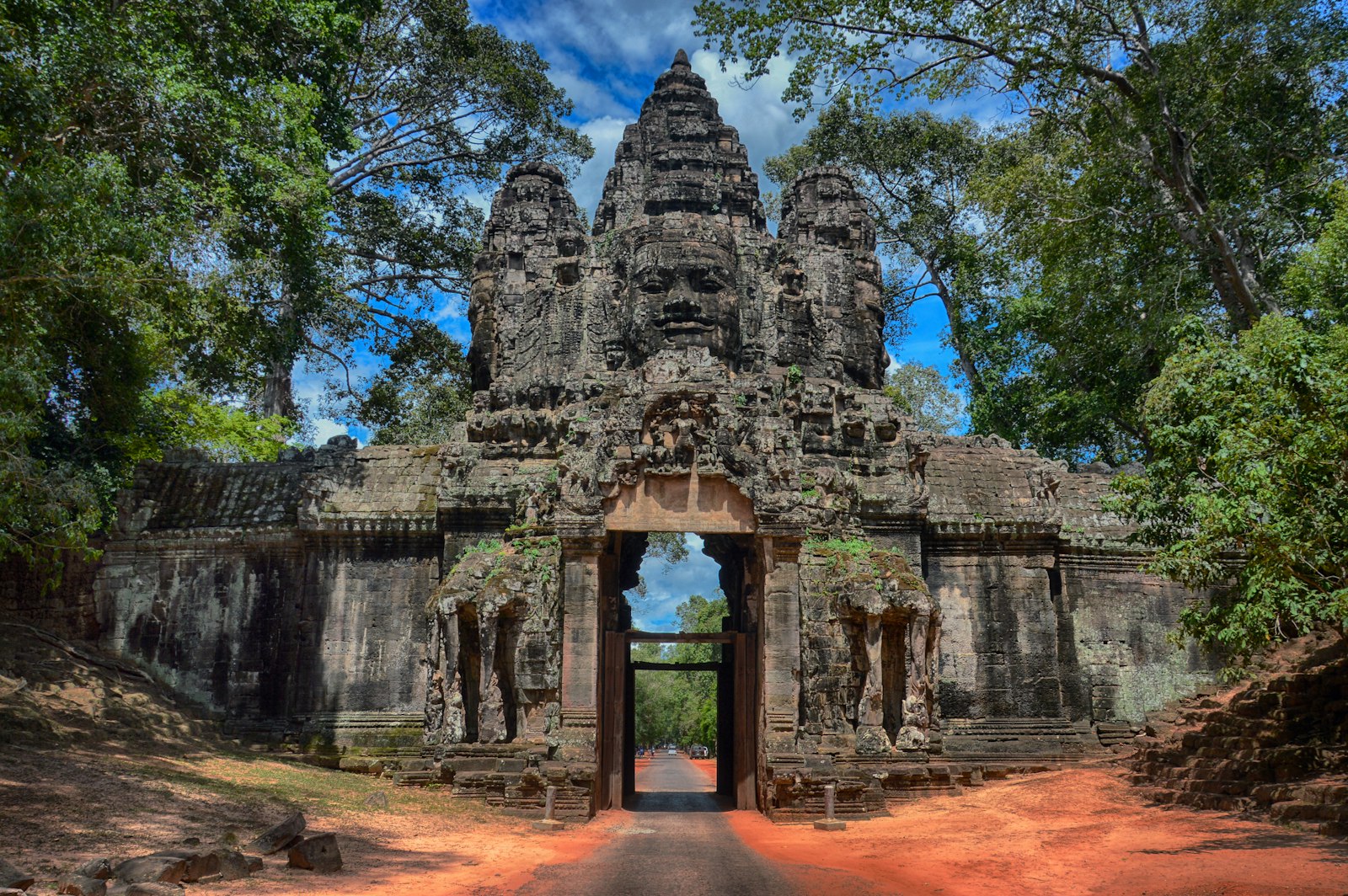
Cambodia is home to Angkor Wat, the largest religious monument in the world and a UNESCO World Heritage Site. The Angkor Archaeological Park contains hundreds of temples dating from the 9th to 15th centuries, representing the height of the Khmer Empire — one of the most powerful civilizations in Southeast Asian history.
Cambodians take immense pride in their Angkorian heritage, which represents a golden age of Khmer civilization. Understanding this history shows cultural awareness and respect. The temples of Angkor are not just tourist attractions — they are living symbols of Cambodian identity and achievement. Visiting them with a Cambodian partner can be a deeply meaningful experience.
Beyond Angkor, Cambodia offers a wealth of cultural experiences. The Royal Palace and Silver Pagoda in Phnom Penh showcase the country's royal traditions. The ancient city of Sambor Prei Kuk, the remote temple of Preah Vihear, and the colonial architecture of Battambang all offer insights into different aspects of Cambodian history and culture.
Traditional Cambodian arts, including Apsara dance, shadow puppetry, and silk weaving, are experiencing a revival. Attending performances, visiting artisan workshops, or exploring the National Museum in Phnom Penh together are excellent ways to appreciate and connect with Cambodian culture.
Emerging Destination
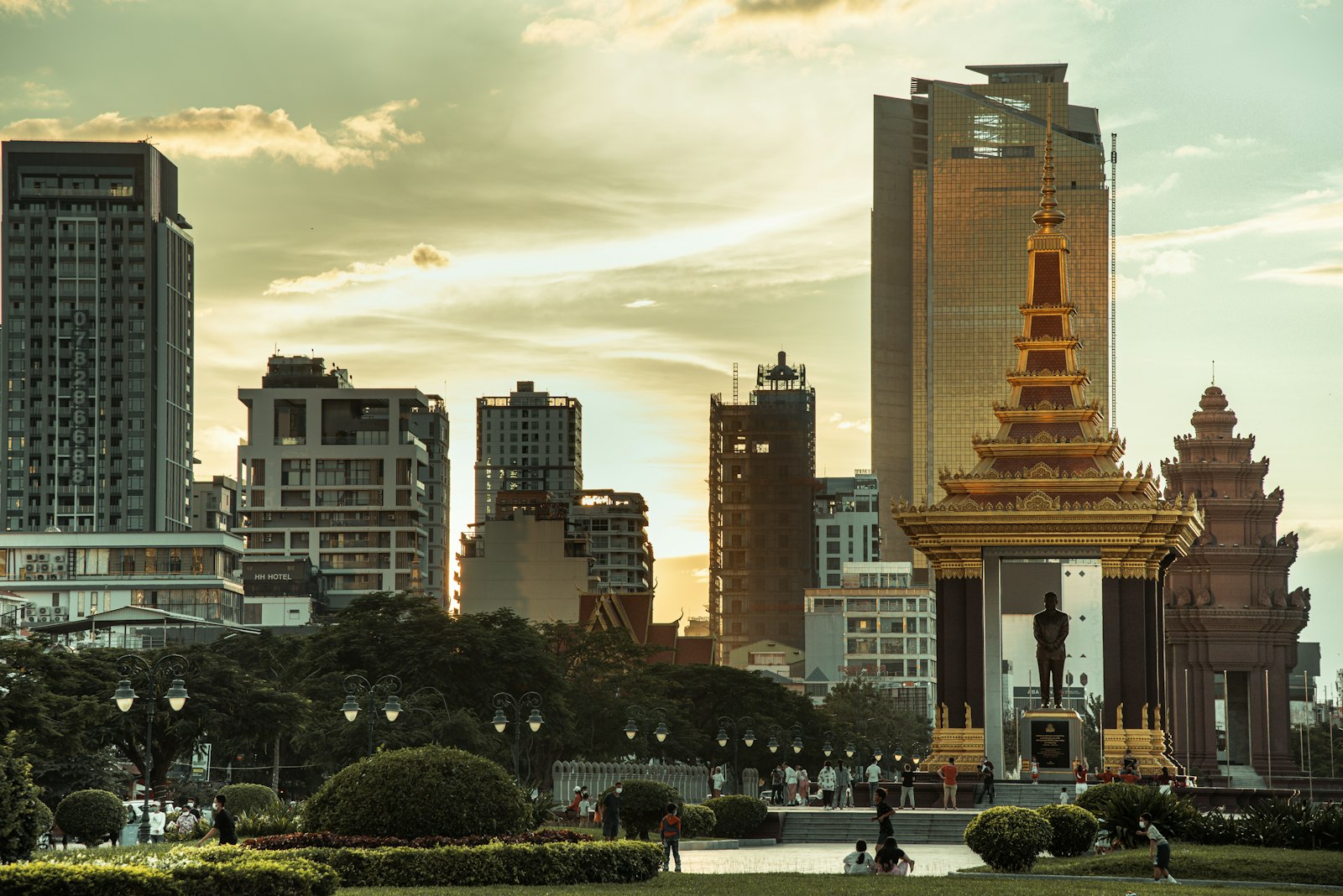
Cambodia is rapidly developing as a destination for international visitors and expatriates. While less developed than Thailand or Vietnam, this can be an advantage — the country offers a more authentic, less commercialized experience, and the cost of living is among the lowest in the region.
Phnom Penh has transformed significantly in recent years, with modern cafes, restaurants, and shopping centers alongside traditional markets and street food vendors. The riverfront area has been revitalized, and new developments continue to reshape the city. Siem Reap, the gateway to Angkor, has a well-established tourism infrastructure with options for every budget.
The coastal areas of Sihanoukville, Kampot, and Kep are becoming increasingly popular. Kampot, in particular, has attracted a growing community of expats drawn to its laid-back atmosphere, colonial charm, and stunning riverside setting. The nearby Bokor National Park and pepper plantations add to its appeal as a base for exploring.
Cambodia's improving infrastructure, including new highways, expanding airport capacity, and growing digital connectivity, is making the country more accessible. The government has introduced various visa options, including long-term visas for retirees and investors, making extended stays increasingly feasible for those building relationships in the country.