China
History & Traditions
Capital
Beijing
Language
Mandarin Chinese
Religion
Buddhism, Taoism, Folk religions
Currency
Chinese Yuan (CNY)
Time Zone
UTC+8
Best Time to Visit
April - May, September - October
The China guides
Free to read, no account needed.
Overview
Chinese culture is rooted in thousands of years of history, with strong emphasis on family honor, filial piety, and social harmony. Understanding concepts like 'guanxi' (relationships), 'mianzi' (face), and the importance of family approval in relationships is essential.

Rich Historical Heritage
China's history spans over 5,000 years of continuous civilization, making it one of the oldest cultures in the world. From the Great Wall and the Forbidden City to the Terracotta Warriors and the Silk Road, China's historical legacy is unparalleled in scale and depth. This rich heritage shapes modern Chinese values, social structures, and relationship expectations.
Understanding Chinese history isn't just academic — it provides essential context for understanding your partner's worldview. Concepts like Confucian filial piety (respect for parents and ancestors), the importance of education, and the value placed on social harmony have roots stretching back millennia and remain powerful forces in contemporary Chinese life.
China's rapid modernization over the past four decades has created a fascinating blend of ancient traditions and cutting-edge modernity. First-tier cities like Beijing, Shanghai, and Shenzhen are among the most modern in the world, while rural areas and smaller cities maintain more traditional ways of life. Your partner's hometown and upbringing will significantly influence her values and expectations.
Key historical and cultural sites worth visiting together include the Great Wall, the Forbidden City in Beijing, the terracotta warriors in Xi'an, the classical gardens of Suzhou, and the karst landscapes of Guilin. These shared experiences create meaningful memories and show genuine interest in Chinese culture.
Family-Centered Values
The family is the most important social unit in Chinese culture, and 'filial piety' (孝, xiào) — respect and care for one's parents and ancestors — is considered the highest virtue. When dating a Chinese woman, understanding that her family's opinion carries enormous weight is crucial. Gaining her parents' approval is not just desirable — it's often a prerequisite for a serious relationship.
Meeting the parents is a significant milestone in Chinese relationships, and first impressions matter enormously. Coming prepared with appropriate gifts (quality fruit, tea, or health supplements — never clocks, which symbolize death), dressing well, and demonstrating stability and respect will help. Be prepared for direct questions about your career, income, and future plans — this is normal and shows the family takes the relationship seriously.
The concept of 'guanxi' (关系, relationships and connections) extends beyond family into all aspects of Chinese life. Building strong relationships requires time, reciprocity, and trust. In the context of a romantic relationship, this means consistent investment in the relationship and extending genuine warmth to her social circle.
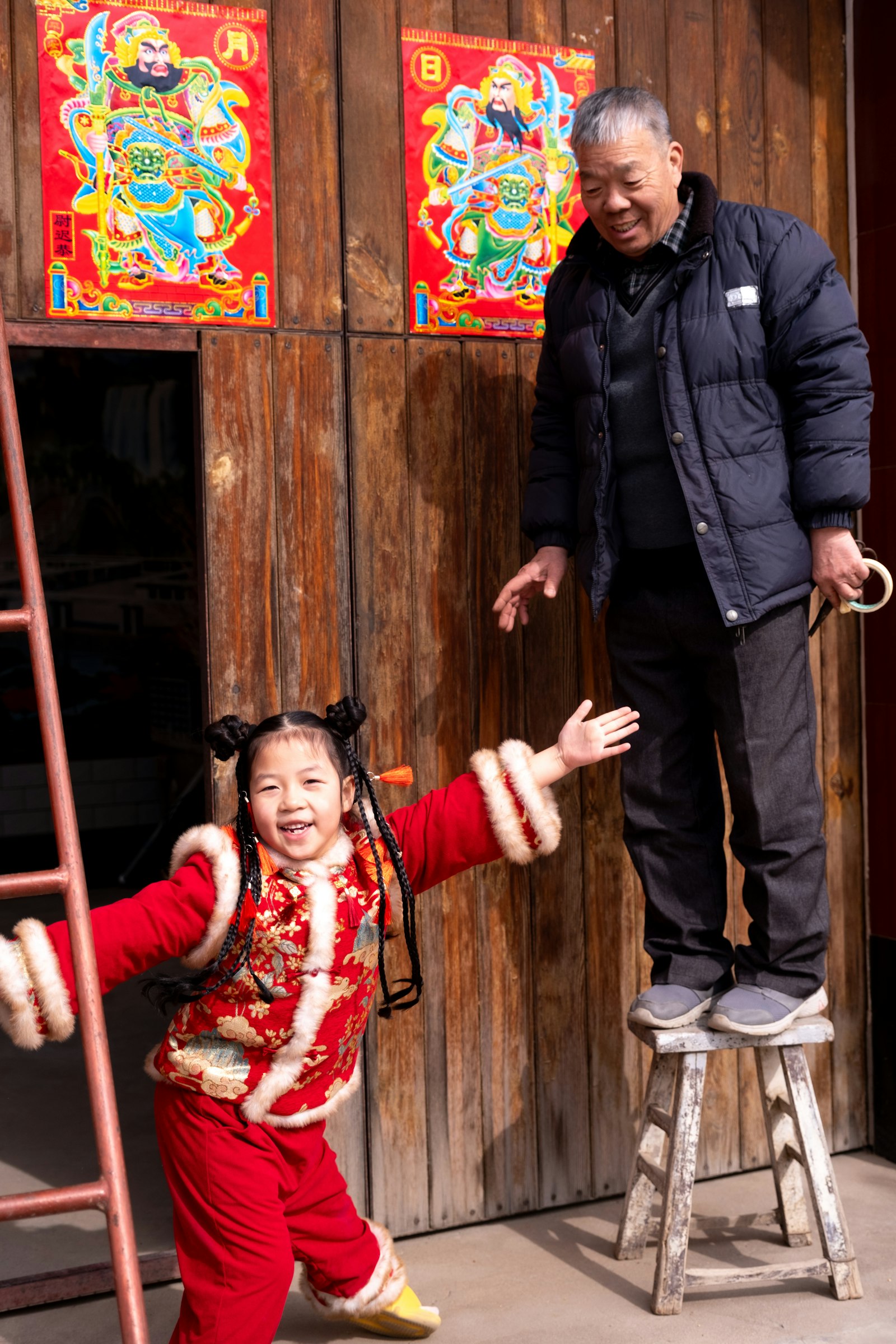
Chinese New Year (Spring Festival) is the most important family gathering of the year. Traveling to her hometown for Spring Festival is a major commitment that signals serious intentions. During this holiday, giving red envelopes (红包, hóngbāo) with money to children and elderly relatives is expected. Understanding holiday customs and participating enthusiastically shows cultural respect.

Diverse Regional Cultures
China is not monolithic — it encompasses an incredibly diverse range of regional cultures, dialects, cuisines, and customs. A woman from cosmopolitan Shanghai will likely have very different expectations and values from someone raised in rural Sichuan or traditional Shandong. Understanding these regional differences is key to navigating your relationship successfully.
Northern Chinese culture tends to be more direct and straightforward, with a strong emphasis on loyalty and hospitality. The cuisine features wheat-based foods (noodles, dumplings, steamed buns) and hearty dishes suited to the colder climate. Southern Chinese culture is generally considered more refined and business-oriented, with rice-based cuisine and a greater variety of seafood.
China has 56 officially recognized ethnic groups, though the Han Chinese make up about 92% of the population. Ethnic minority groups, such as the Zhuang, Hui, Manchu, Uyghur, and Tibetan peoples, have their own distinct cultures, languages, and traditions. If your partner belongs to an ethnic minority, understanding her specific cultural background is essential.
Cuisine varies dramatically by region and is a source of great pride. Sichuan food is famous for its numbing spiciness, Cantonese cuisine is known for its freshness and dim sum tradition, Hunan food features bold flavors, and Shandong cuisine represents the refined flavors of the north. Showing interest in and appreciation for your partner's regional cuisine is an easy way to connect culturally.

Modern and Traditional Blend
Modern China represents a fascinating juxtaposition of cutting-edge technology and ancient traditions. Cities like Shenzhen and Shanghai are global leaders in innovation, while traditional customs around marriage, family, and social relationships remain deeply influential. Navigating this duality is one of the most interesting aspects of cross-cultural relationships with Chinese women.
Digital life in China has its own ecosystem. WeChat is not just a messaging app — it's a complete platform for communication, social media, payments, and daily life. Understanding and using WeChat is practically essential for communicating with a Chinese partner and her social circle. Other platforms like Xiaohongshu (Little Red Book), Douyin (TikTok's Chinese version), and Weibo also play important social roles.
Dating culture in urban China has evolved significantly. While arranged introductions and matchmaking still exist (parents sometimes attend 'marriage markets' on behalf of their children), online dating, social events, and organic connections are increasingly common. However, societal pressure to marry before a certain age (particularly for women) remains strong, creating what's sometimes called the 'leftover women' (剩女) phenomenon.
Chinese women today are among the most educated in the world, with women outnumbering men in university enrollment. Many are career-driven, financially independent, and have clear expectations for their partners. Understanding that modern Chinese women seek equal partnerships while often maintaining certain traditional values around family requires nuanced cultural awareness.