Indonesia
Cultural Diversity & Natural Beauty
Capital
Jakarta (moving to Nusantara)
Language
Bahasa Indonesia
Religion
Islam (87%), Christianity, Hinduism, Buddhism
Currency
Indonesian Rupiah (IDR)
Time Zone
UTC+7 to UTC+9
Best Time to Visit
April - October (dry season)
The Indonesia guides
Free to read, no account needed.
Overview
Indonesia is the world's largest archipelago with incredible ethnic and cultural diversity. From the Hindu traditions of Bali to the Islamic culture of Java, understanding regional differences is key.

Incredible Cultural Diversity
Indonesia is home to over 17,000 islands, 270 million people, and more than 300 distinct ethnic groups speaking over 700 languages. This extraordinary diversity means that 'Indonesian culture' is not a single entity but a rich mosaic of traditions, customs, and worldviews. Understanding which ethnic group and region your partner comes from is essential.
The Javanese, as the largest ethnic group, have a refined culture emphasizing hierarchy, politeness, and indirect communication. Sundanese from West Java are known for their artistic traditions. Balinese culture is uniquely Hindu in a majority-Muslim nation. Batak people from Sumatra are known for their directness, while Minangkabau culture is one of the world's largest matrilineal societies.
Indonesia's national motto, 'Bhinneka Tunggal Ika' (Unity in Diversity), reflects the country's commitment to holding this diversity together. Bahasa Indonesia serves as the lingua franca, allowing communication across ethnic lines, though local languages remain important in family and community settings.
Religious diversity adds another layer of complexity. While Indonesia is the world's largest Muslim-majority country, significant Christian, Hindu, Buddhist, and indigenous religious communities exist. Bali is predominantly Hindu, parts of Sulawesi and Papua are majority Christian, and Chinese-Indonesian communities often practice Buddhism or Christianity. Your partner's religion will significantly influence relationship expectations.

Beautiful Archipelago
Indonesia's vast archipelago offers some of the most spectacular natural scenery in the world. From the volcanic landscapes of Java and the rice terraces of Bali to the pristine diving spots of Raja Ampat and the ancient rainforests of Borneo, the country is a paradise for nature-loving couples.
Bali remains the most popular destination for international visitors, offering a unique blend of Hindu culture, stunning temples, world-class surfing, and a well-developed tourism infrastructure. Beyond the tourist hotspots of Seminyak and Ubud, Bali's quieter areas like Amed, Munduk, and the Nusa islands offer more authentic experiences.
For adventurous couples, Indonesia offers extraordinary off-the-beaten-path experiences. Climbing Mount Bromo or Mount Rinjani at sunrise, exploring the Komodo National Park, diving in Bunaken, or trekking through the jungles of Sumatra to see orangutans are unforgettable shared adventures.
Traveling together within Indonesia is one of the best ways to deepen a relationship and understand the country's diversity. Domestic flights connect major destinations affordably, and local ferries provide scenic island-hopping options. Each island and region offers distinct cultural experiences, cuisines, and landscapes.

Strong Community Values
The concept of 'gotong royong' (mutual cooperation and communal work) is central to Indonesian culture. Communities come together to help one another, whether it's building a house, preparing for a wedding, or supporting a family in need. This communal spirit extends to how relationships are viewed — they are a community matter, not just a private affair.
In most Indonesian communities, the relationship between a couple is seen as connecting two families and, by extension, two communities. Weddings are major community events, often involving hundreds or even thousands of guests. Understanding and embracing this communal aspect of relationships is important.
Indonesian hospitality (known as 'ramah tamah') is legendary. Guests are treated with great warmth and generosity, often being offered food and drink immediately upon arrival. When visiting your partner's family, this hospitality will likely be extended to you enthusiastically. Reciprocating with gifts and genuine warmth is expected and appreciated.
The concept of 'musyawarah' (community consultation and consensus) influences decision-making at all levels, from family matters to community affairs. Major decisions, including those about relationships and marriage, often involve extended family discussion. Being patient with this process and showing respect for communal decision-making demonstrates cultural understanding.
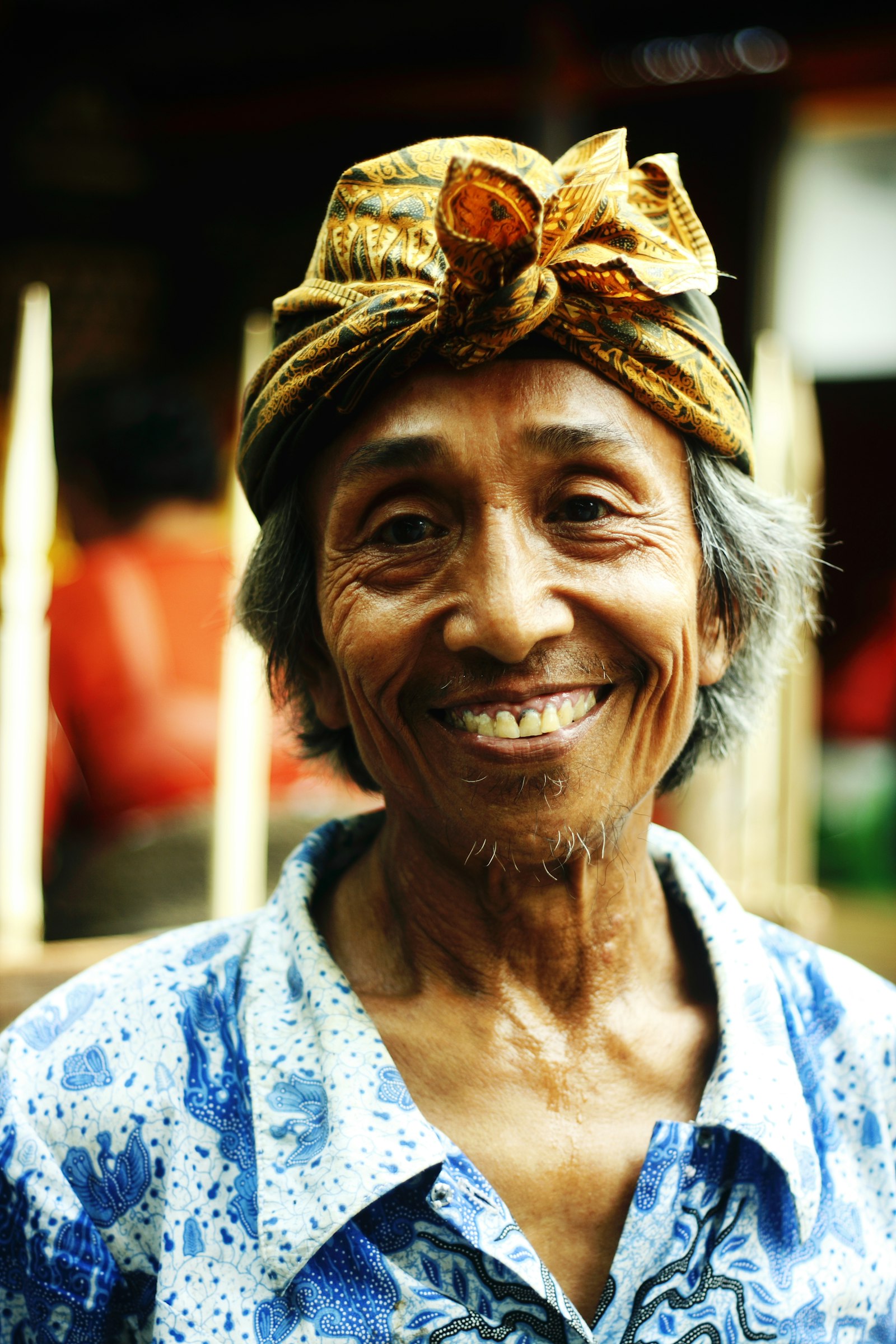
Warm Hospitality
Indonesians are renowned for their warmth and friendliness toward visitors. The phrase 'tamu adalah raja' (the guest is king) reflects the deep cultural value placed on hospitality. This warmth extends to how international partners are typically received, with most families welcoming foreigners with open arms and genuine curiosity.
Food is central to Indonesian hospitality, and the country's cuisine is one of its greatest treasures. Each region has its own specialties — Padang food from West Sumatra is rich and spicy, Javanese cuisine tends to be sweeter, Balinese food features distinctive spice pastes, and Manado cuisine from North Sulawesi is bold and varied. Sharing meals and exploring local food together is one of the most enjoyable aspects of Indonesian culture.
Learning basic Bahasa Indonesia phrases goes a long way in showing respect and building rapport. The language is relatively easy to learn compared to other Asian languages, as it uses the Latin alphabet and has a straightforward grammar structure. Simple greetings and expressions of gratitude will delight your partner's family and community.
Indonesian social etiquette emphasizes politeness and avoiding confrontation. Using the right hand for giving and receiving items, removing shoes before entering a home, and addressing elders with appropriate titles (Bapak/Ibu for Mr./Mrs.) are important customs to observe. Public displays of affection should be kept minimal, especially in more conservative areas.