Korea
K-Culture & Romance
Capital
Seoul
Language
Korean
Religion
Christianity, Buddhism, No religion
Currency
South Korean Won (KRW)
Time Zone
UTC+9
Best Time to Visit
March - May, September - November
The Korea guides
Free to read, no account needed.
Overview
Korean culture is shaped by Confucian values, rapid modernization, and a vibrant pop culture (K-wave). Age hierarchies, the concept of 'jeong' (deep emotional bond), and the importance of couple culture are central to relationships.

Vibrant K-Culture
The Korean Wave (Hallyu) has made Korean culture a global phenomenon, from K-pop and K-dramas to Korean skincare and cuisine. This cultural soft power has created unprecedented international interest in Korea and Korean relationships. However, it's important to distinguish between the romanticized version of Korea presented in media and the reality of daily life and relationships.
K-dramas, while entertaining, can create unrealistic expectations about Korean romance. The grand gestures, dramatic confessions, and picture-perfect relationships portrayed in dramas are fiction. Real Korean relationships involve the same challenges as relationships anywhere, compounded by cultural differences. Approaching a relationship with realistic expectations rather than drama-inspired fantasies is essential.
That said, Korean pop culture does reflect certain cultural values accurately — the importance of appearance and self-presentation, the role of food and shared meals in relationships, the significance of couple activities, and the influence of social media on daily life. Understanding these cultural touchpoints helps you connect with your partner's world.
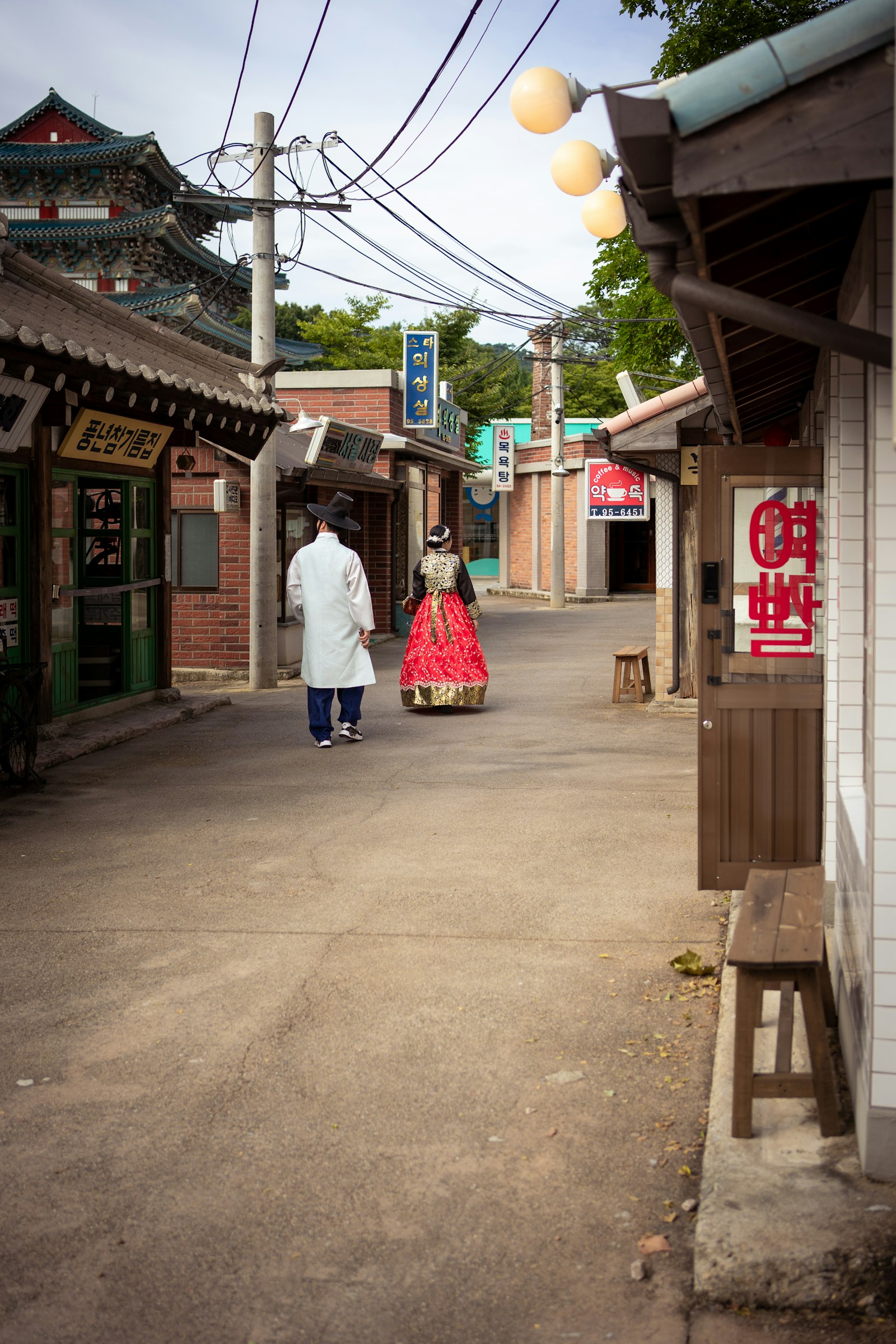
Korea's thriving café culture, fashion scene, and emphasis on aesthetics create endless opportunities for interesting dates. From themed cafes and K-beauty experiences to traditional hanbok photoshoots and K-pop concerts, embracing these cultural activities shows enthusiasm for your partner's interests and creates shared memories.
Strong Couple Culture
Korea has one of the most developed 'couple cultures' in the world. Once in a relationship, Korean couples often celebrate in ways that might surprise Westerners — matching outfits (couple looks), celebrating dating anniversaries every 100 days, exchanging gifts on multiple Valentine's-type holidays, and maintaining active couple social media accounts.
Important couple holidays in Korea include Valentine's Day (February 14, when women give chocolate to men), White Day (March 14, when men reciprocate with gifts), Pepero Day (November 11, exchanging Pepero cookie sticks), and Christmas (which is considered a romantic holiday similar to Valentine's Day rather than a family occasion). Being aware of and participating in these celebrations matters.
Physical appearance and self-care are highly valued in Korean dating culture. Both men and women are expected to put effort into their appearance, including skincare routines, fashion, and grooming. This isn't superficiality — it's seen as showing respect for your partner and the relationship. Embracing Korean skincare and taking pride in your appearance will be noticed and appreciated.
Couple activities are a significant part of Korean relationship culture. Visiting themed cafes, taking photo booth pictures (인생네컷), going on food tours, and traveling together (especially to Jeju Island, Korea's most popular couple destination) are standard relationship activities. Being enthusiastic about participating in these activities shows that you value the relationship.
Confucian Family Values
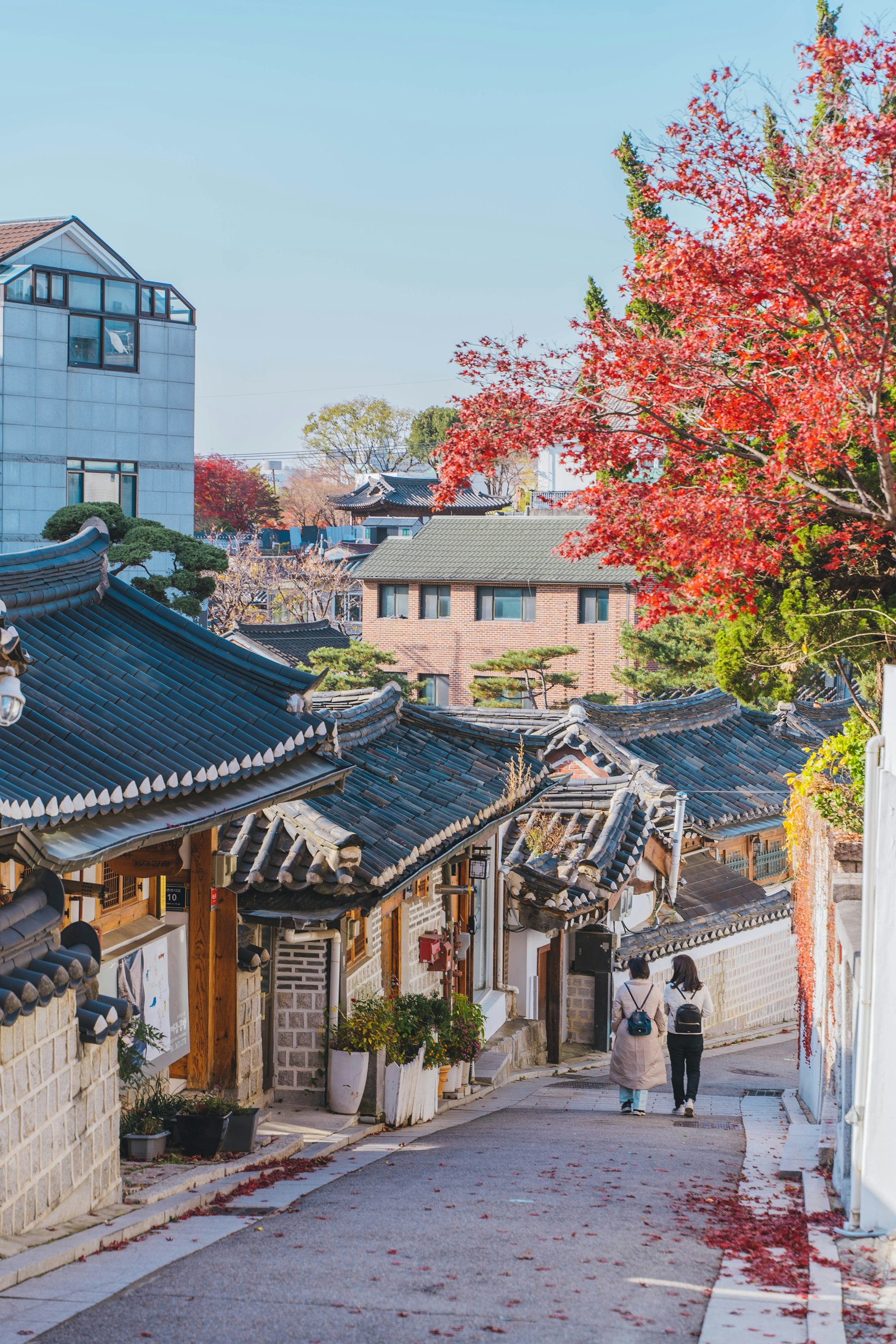
Confucian values continue to influence Korean family dynamics profoundly, despite Korea's rapid modernization. Age hierarchy (서열), respect for elders, and family loyalty remain fundamental social principles. Understanding your position within these hierarchical structures is essential for navigating relationships with Korean families.
In Korean culture, age matters enormously. It's one of the first things Koreans establish when meeting someone new, as it determines the level of formality in speech (Korean has distinct formal and informal registers) and behavioral expectations. Learning to use appropriate speech levels and showing respect to older family members is crucial.
Meeting the parents is a major milestone in Korean relationships, and preparation is key. Dress conservatively and neatly, bring quality gifts (fruit sets, health supplements, or quality alcohol for the father are common choices), and be prepared for questions about your career, family background, and future plans. First impressions carry significant weight.
Korean parents traditionally have considerable influence over their children's relationship choices. While younger generations are increasingly making independent decisions, parental disapproval of a partner — especially a foreign one — can create significant challenges. Demonstrating respect, stability, and genuine commitment to their child is the most effective way to win parents' approval over time.

Modern & Dynamic Society
South Korea's transformation from one of the world's poorest countries to a high-tech economic powerhouse in just a few decades is one of modern history's most remarkable stories. This rapid development has created a dynamic, competitive society where education and career achievement are highly valued.
Korean women today are among the most educated in Asia, with high university enrollment rates and growing representation in professional fields. However, gender equality remains a work in progress, and many Korean women face societal pressure to balance career ambitions with traditional expectations around marriage and family. Understanding and supporting your partner's navigation of these pressures is important.
Korea's digital infrastructure is among the most advanced in the world, with near-universal smartphone penetration and lightning-fast internet. KakaoTalk (Korea's dominant messaging app) is essential for communication, and understanding Korean digital culture — from Naver (Korea's primary search engine) to Korean social media platforms — helps you stay connected with your partner's daily life.
Work culture in Korea can be demanding, with long hours and significant social obligations (including company dinners called 'hoesik'). Understanding that your partner's work commitments may sometimes take priority shows empathy and cultural awareness. Korea is gradually evolving toward a better work-life balance, but the transition is ongoing.