Macau
Portuguese-Chinese Fusion
Capital
N/A (Special Administrative Region)
Language
Cantonese, Portuguese
Religion
Buddhism, Catholicism, Folk religions
Currency
Macanese Pataca (MOP)
Time Zone
UTC+8
Best Time to Visit
October - December
The Macau guides
Free to read, no account needed.
Overview
Macau is a unique blend of Portuguese and Chinese cultures, creating a distinctive Macanese identity. This small but vibrant territory offers a fascinating mix of European and Asian traditions.
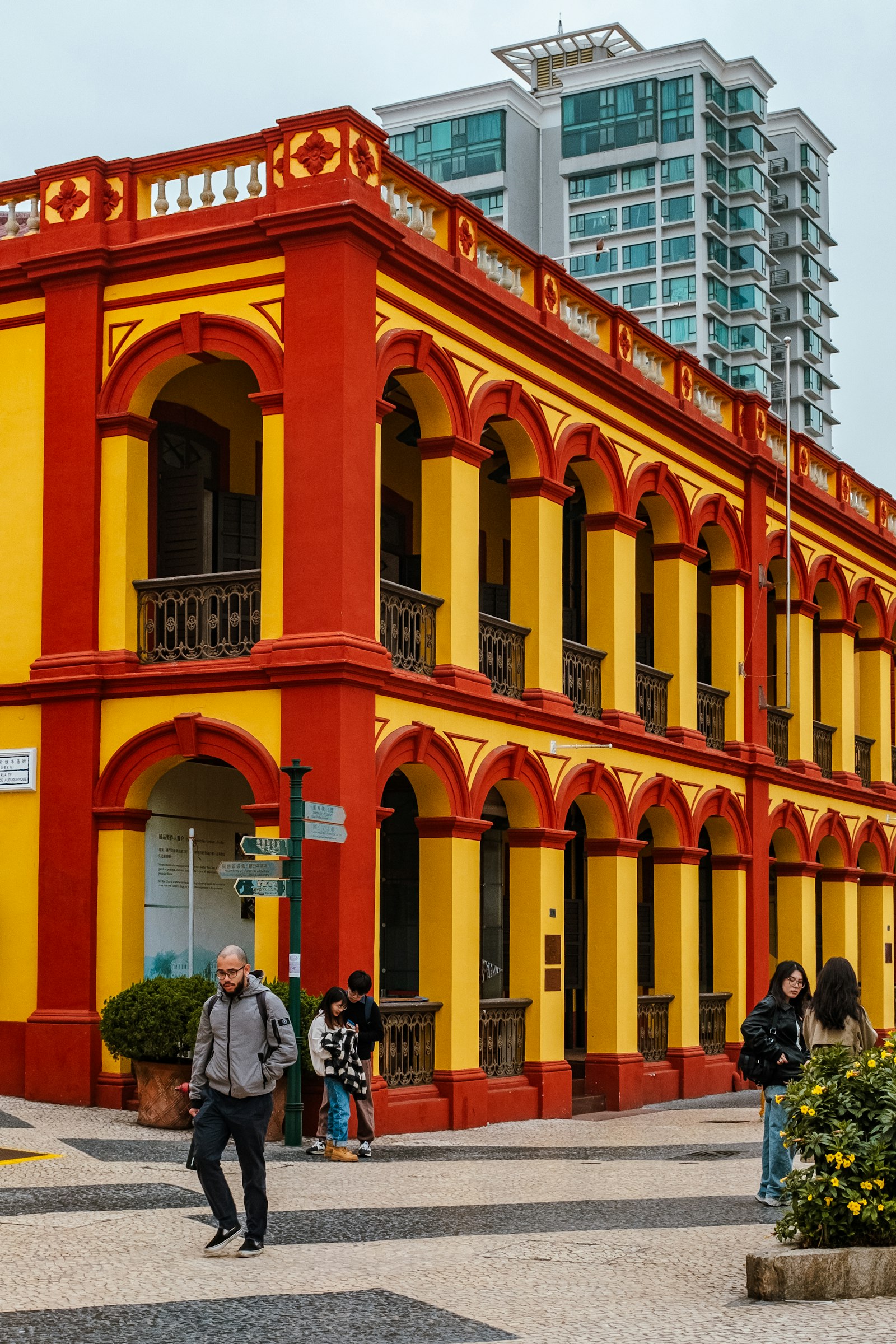
Portuguese-Chinese Fusion
Macau's 400-year history as a Portuguese colony has created one of Asia's most unique cultural blends. Portuguese and Chinese traditions have interwoven to create a distinctive Macanese identity that is visible in the architecture, cuisine, language, and social customs of this small but fascinating territory.
The historic center of Macau is a UNESCO World Heritage Site, featuring a remarkable collection of Portuguese colonial buildings alongside Chinese temples. Walking through the city, you'll encounter baroque churches next to Taoist shrines, Portuguese-tiled streets leading to Chinese shophouses, and European-style squares surrounded by Cantonese tea houses.
Macanese culture — the unique fusion culture created by centuries of Portuguese-Chinese intermarriage — has produced its own traditions, cuisine, and identity. Understanding and appreciating this hybrid culture shows cultural sensitivity and helps you connect with the local community on a deeper level.
The dual influence of Catholic and Chinese traditions creates interesting cultural dynamics around relationships and marriage. Some families may follow Catholic wedding traditions, others Chinese customs, and many blend elements of both. Being open to and respectful of this cultural mixing is important when navigating relationships in Macau.
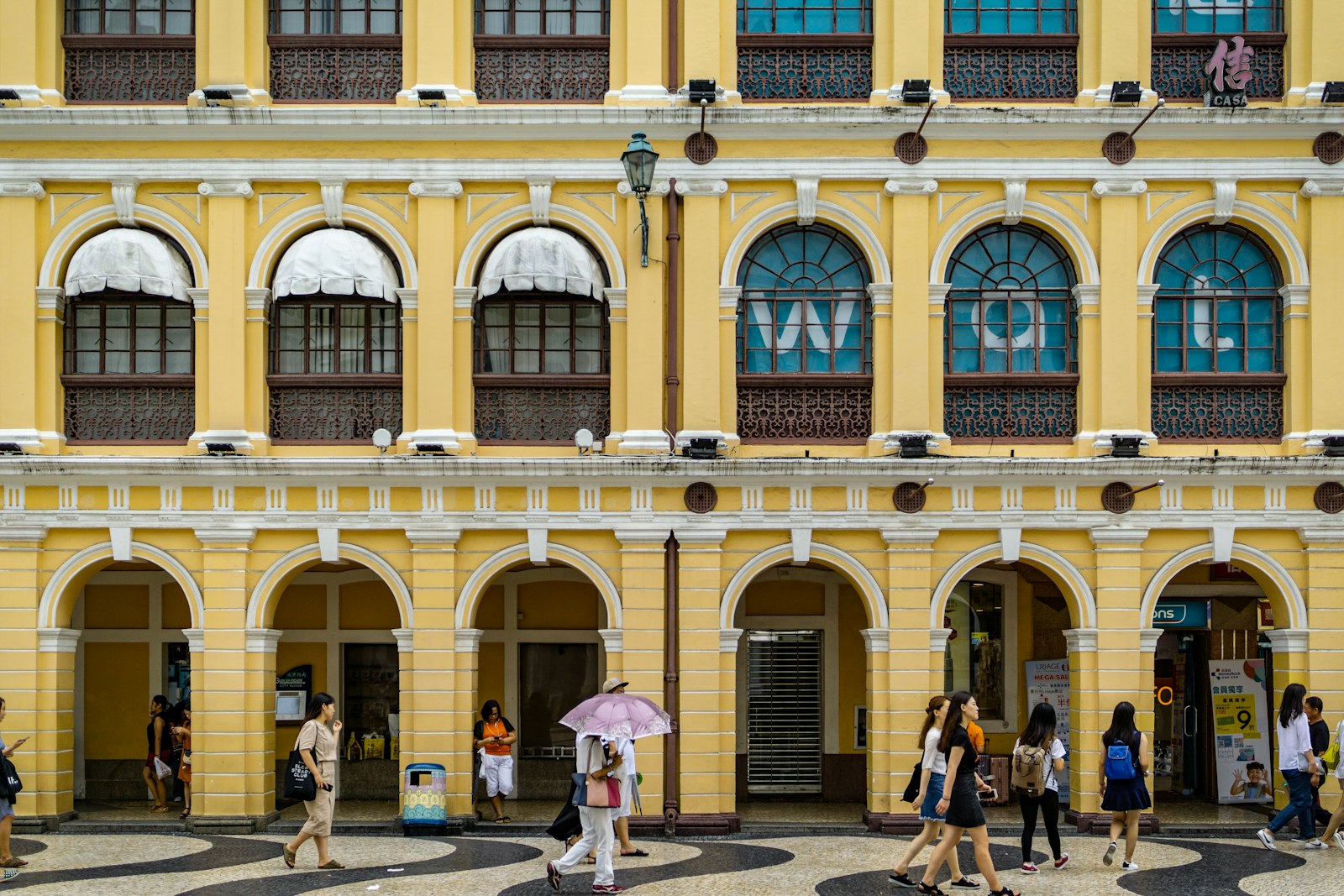
UNESCO Heritage Sites
Macau's Historic Centre, inscribed as a UNESCO World Heritage Site in 2005, represents the oldest and most complete collection of European architectural legacy in Asia. The Ruins of St. Paul's, Senado Square, A-Ma Temple, and numerous other sites tell the story of centuries of cultural exchange.
Exploring these heritage sites together provides wonderful opportunities for cultural appreciation and conversation. The Mandarin's House, a traditional Chinese compound that once belonged to a prominent literary figure, offers insight into 19th-century Chinese elite culture. The Holy House of Mercy, one of the oldest Western charitable institutions in China, reflects the Portuguese community's social values.
Beyond the main heritage sites, Macau's quieter neighborhoods like Taipa Village and Coloane Village retain a charming, village-like atmosphere with narrow streets, local restaurants, and small temples. These areas offer a contrast to the glitz of the casino strip and provide a more intimate setting for exploring together.
Cultural events throughout the year celebrate Macau's dual heritage. The Macau Arts Festival, International Music Festival, and Food Festival showcase the territory's creative energy. Chinese festivals like Lunar New Year, Mid-Autumn Festival, and A-Ma Festival are celebrated alongside Portuguese traditions and Catholic holidays, creating a uniquely diverse cultural calendar.
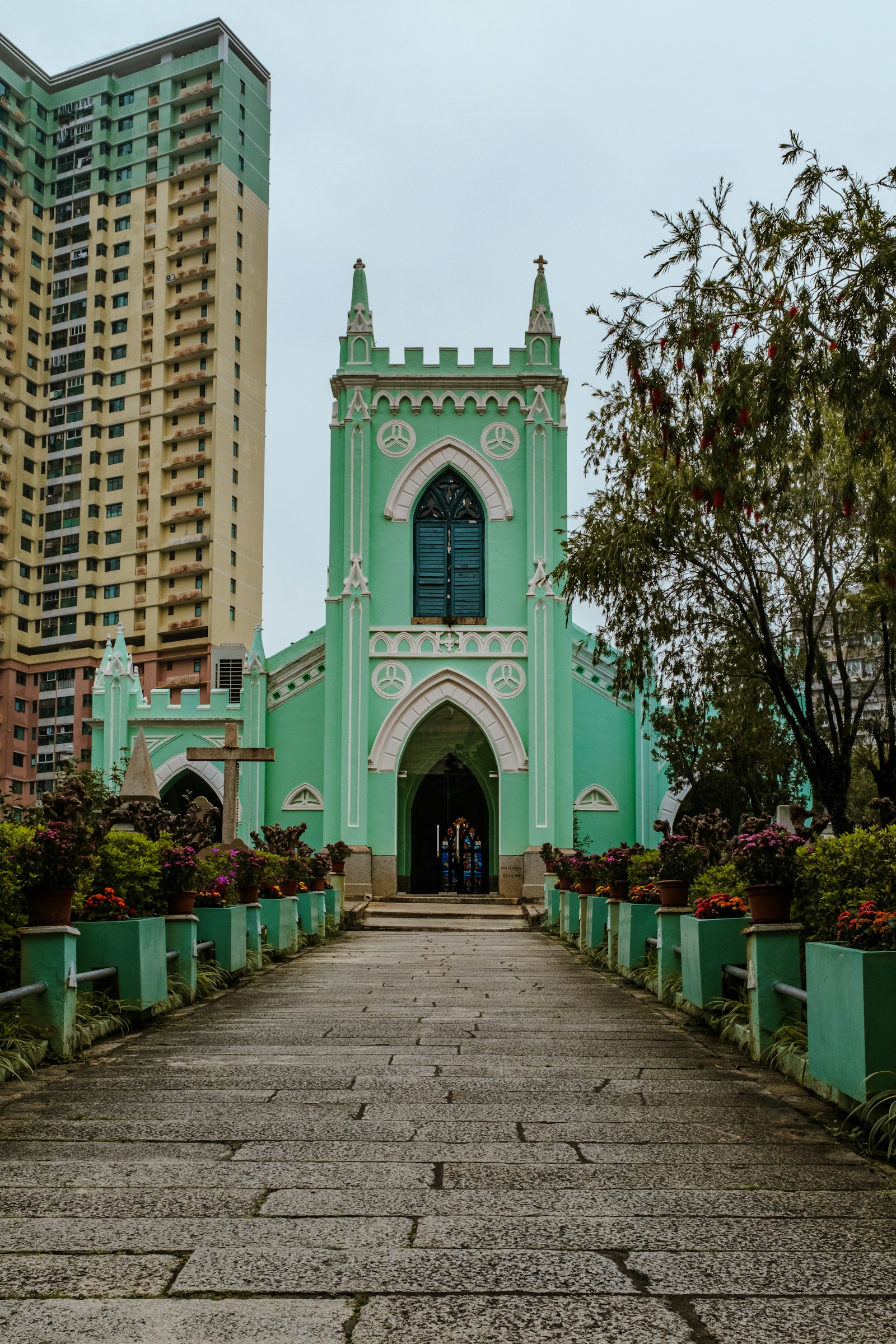
Unique Macanese Culture
Macanese cuisine (cozinha macaense) is recognized by UNESCO as an Intangible Cultural Heritage and represents one of the earliest fusion cuisines in the world. Dishes like African chicken (galinha à Africana), minchi (minced meat with potatoes), and pastéis de nata (Portuguese egg tarts) blend Portuguese cooking techniques with Chinese, Indian, Malay, and African ingredients.
The Macanese 'patua' creole language, while nearly extinct, represents the historical blending of Portuguese with Cantonese, Malay, and other languages. While few people still speak it, awareness of this linguistic heritage shows cultural knowledge and respect for Macau's unique identity.
Macau's small size (just 33 square kilometers) creates an intimate social environment where the community is close-knit and reputation matters. The Macanese community, descendants of Portuguese-Chinese unions, forms a distinct social group with their own traditions, recipes, and cultural practices that have been passed down through generations.
Despite its famous casino industry, Macau has a rich cultural life that extends well beyond gambling. The territory's artistic community, universities, and cultural institutions contribute to a vibrant intellectual scene. Understanding that Macau is much more than casinos helps you appreciate the territory's true character and connect with locals on a more meaningful level.
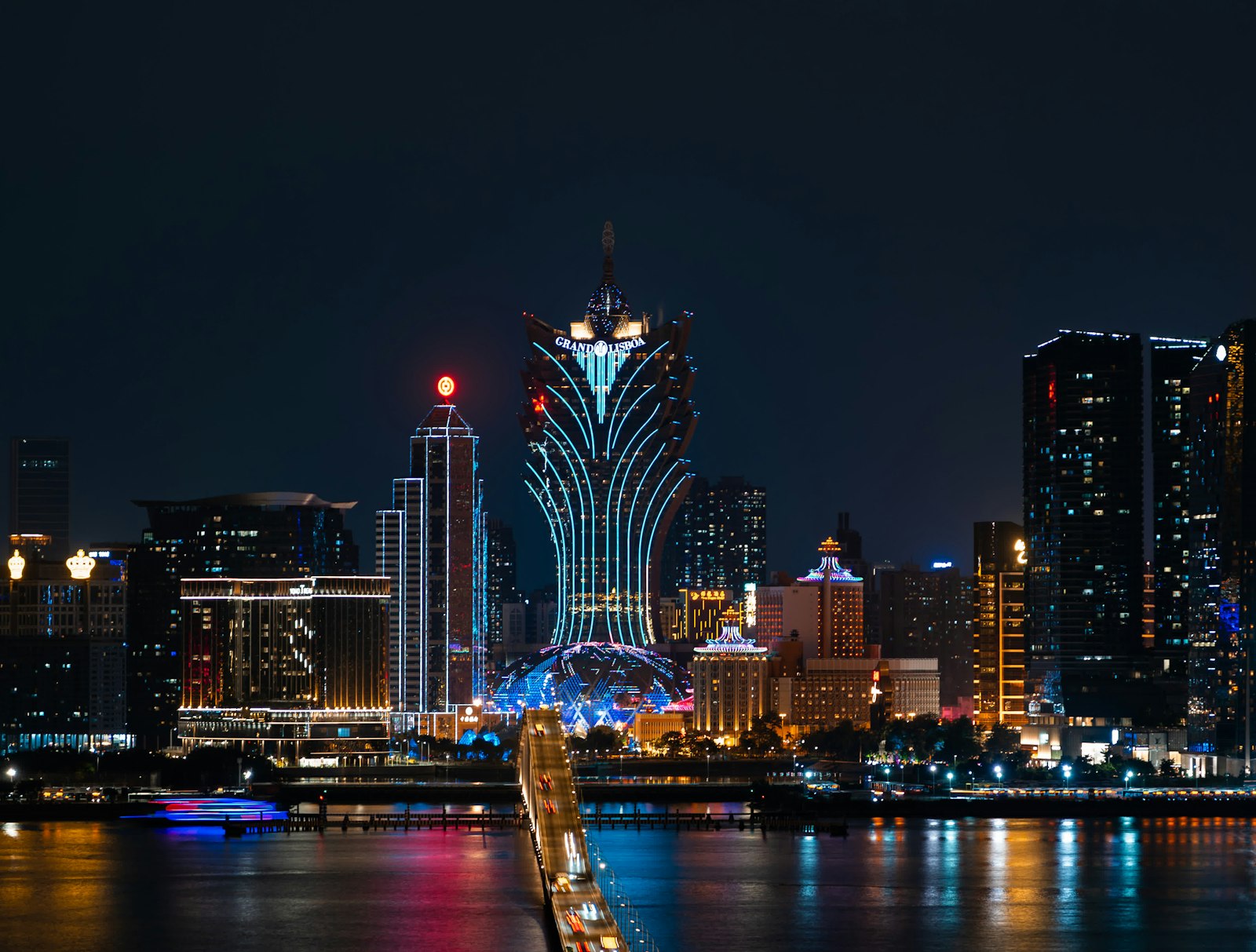
Multicultural Society
Macau's population of around 680,000 is predominantly Chinese (Cantonese), with significant Portuguese, Filipino, and other Southeast Asian communities. This diversity creates a cosmopolitan atmosphere that is generally welcoming to international relationships.
The Portuguese community, while small, maintains an active presence in Macau's cultural life. Portuguese clubs, restaurants, and cultural organizations keep alive traditions that have been part of Macau's identity for centuries. Understanding and appreciating this Portuguese heritage adds depth to your experience of Macau.
Macau's proximity to Hong Kong (about an hour by ferry) and mainland China (connected by the Hong Kong-Zhuhai-Macau Bridge) makes it a convenient base for exploring the broader Pearl River Delta region. Weekend trips to Hong Kong, Zhuhai, or Guangzhou are easy and offer exposure to different Chinese cultural environments.
The territory's bilingual education system (Portuguese and Chinese are both official languages) and multicultural environment create a population that is generally comfortable with cultural diversity. International relationships are relatively common and socially accepted, making Macau a welcoming environment for cross-cultural couples.