Malaysia
Multicultural Society
Capital
Kuala Lumpur
Language
Malay (Bahasa Malaysia), English, Chinese, Tamil
Religion
Islam (official), Buddhism, Christianity, Hinduism
Currency
Malaysian Ringgit (MYR)
Time Zone
UTC+8
Best Time to Visit
March - October
The Malaysia guides
Free to read, no account needed.
Overview
Malaysia is a multicultural nation where Malay, Chinese, and Indian communities coexist, each with distinct dating customs and family expectations.
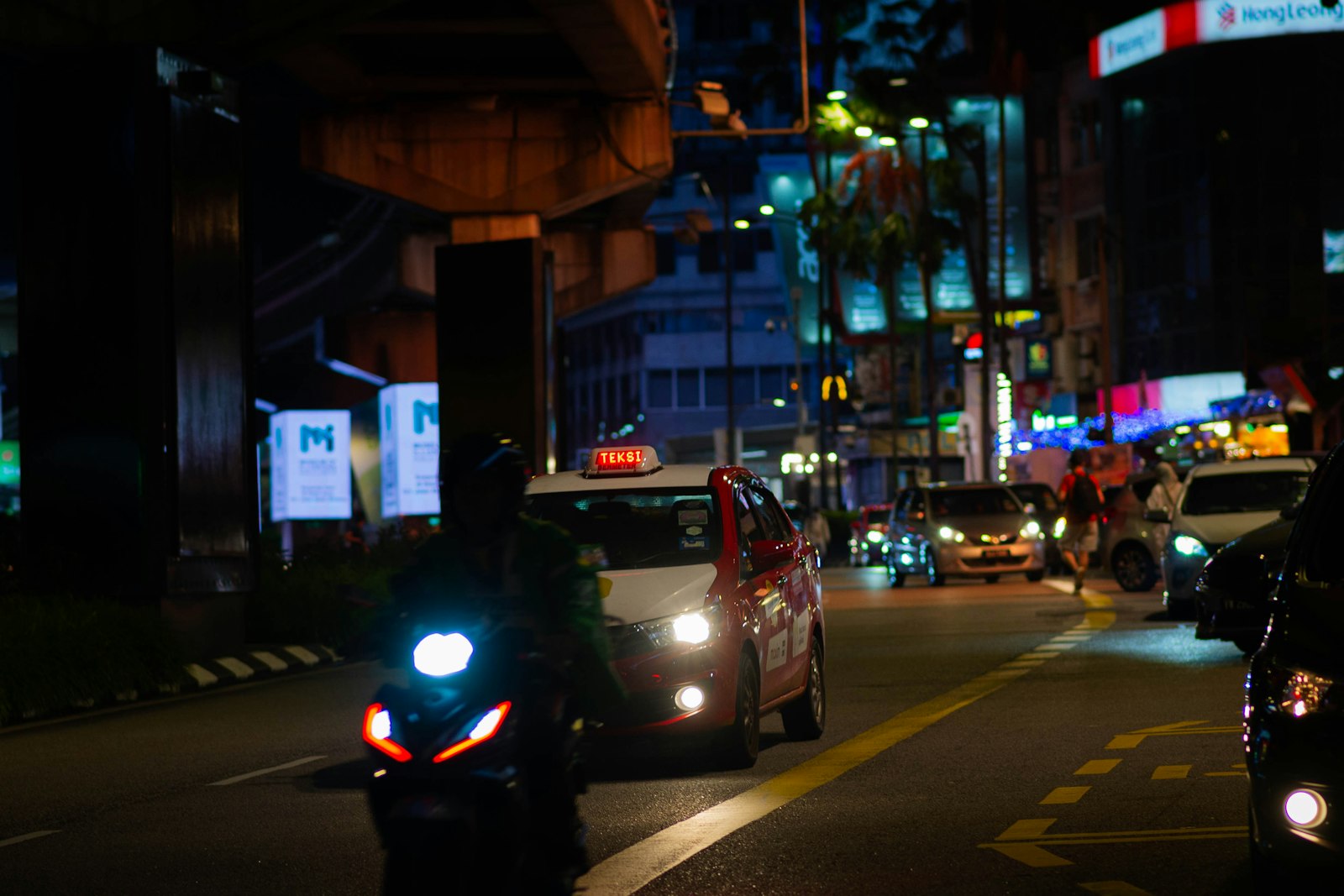
Multicultural Society
Malaysia's population is a remarkable mix of Malay (about 69%), Chinese (about 23%), Indian (about 7%), and indigenous peoples. Each community maintains its own cultural traditions, religions, languages, and customs, creating one of the most culturally diverse countries in Asia.
This multiculturalism significantly impacts dating and relationships, as expectations vary dramatically depending on your partner's ethnic and religious background. Dating a Malay Muslim woman involves very different cultural considerations from dating a Chinese Malaysian or Indian Malaysian woman. Understanding these distinctions is essential.
The Malay community, as the majority, is predominantly Muslim, and Islam is the official state religion. Malaysian law prohibits Muslims from converting to other religions, and non-Muslims wishing to marry a Malay Muslim partner must convert to Islam. This is a legal requirement, not just a cultural expectation, and has profound implications for interfaith relationships.
Despite these divisions, Malaysia's multicultural nature also creates a society that is, in many ways, comfortable with diversity. The shared experience of living in a multiethnic country means that Malaysians are often adept at navigating different cultural contexts, and intercultural understanding (if not always intermarriage) is a daily reality.
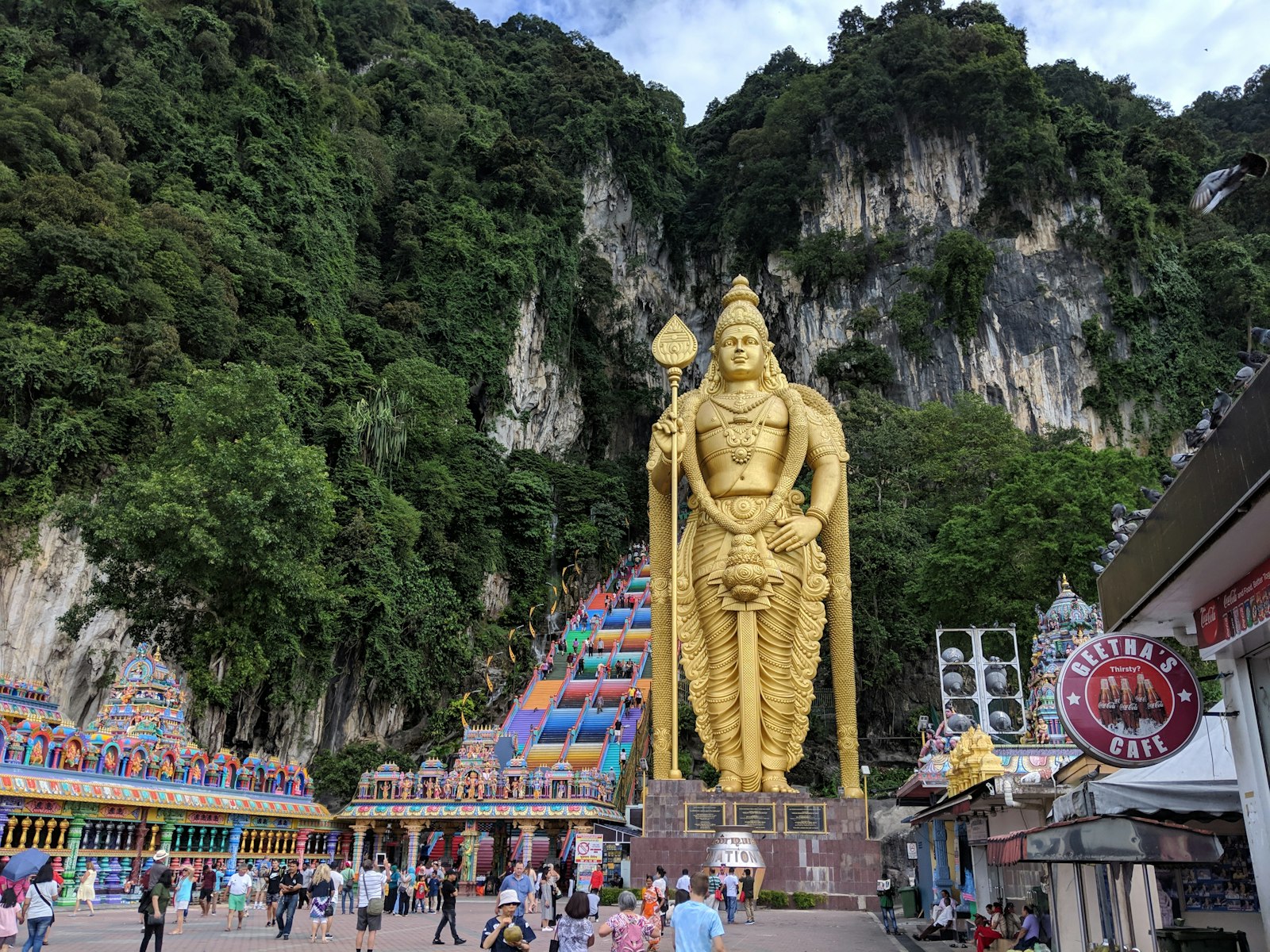
Religious Diversity
Religion plays a central role in Malaysian life, and understanding the religious landscape is crucial for navigating relationships. Islam is the state religion and governs the personal lives of all Malays. Buddhism is predominant among Chinese Malaysians, while Hinduism is the primary religion of the Indian Malaysian community. Christianity has significant followings across all ethnic groups, particularly in East Malaysia.
For relationships with Malay Muslim women, understanding Islamic practices and expectations is essential. This includes knowledge of halal dietary requirements, prayer times, the significance of Ramadan and Hari Raya Aidilfitri, and Islamic views on modesty, courtship, and marriage. Showing genuine respect for these practices, even before any discussion of conversion, is fundamental.
Chinese Malaysian and Indian Malaysian communities have their own religious traditions that influence relationship expectations. Chinese Malaysians may follow Buddhist, Taoist, or Christian traditions, while Indian Malaysians may be Hindu, Muslim, or Christian. Each religious background carries different expectations around courtship, marriage ceremonies, and family roles.
Malaysian public holidays reflect this religious diversity, with celebrations including Hari Raya Aidilfitri (end of Ramadan), Chinese New Year, Deepavali (Festival of Lights), Christmas, and Wesak Day (Buddha's birthday). Participating in your partner's religious celebrations while respecting the traditions of other communities demonstrates the inclusive spirit that makes Malaysia function.
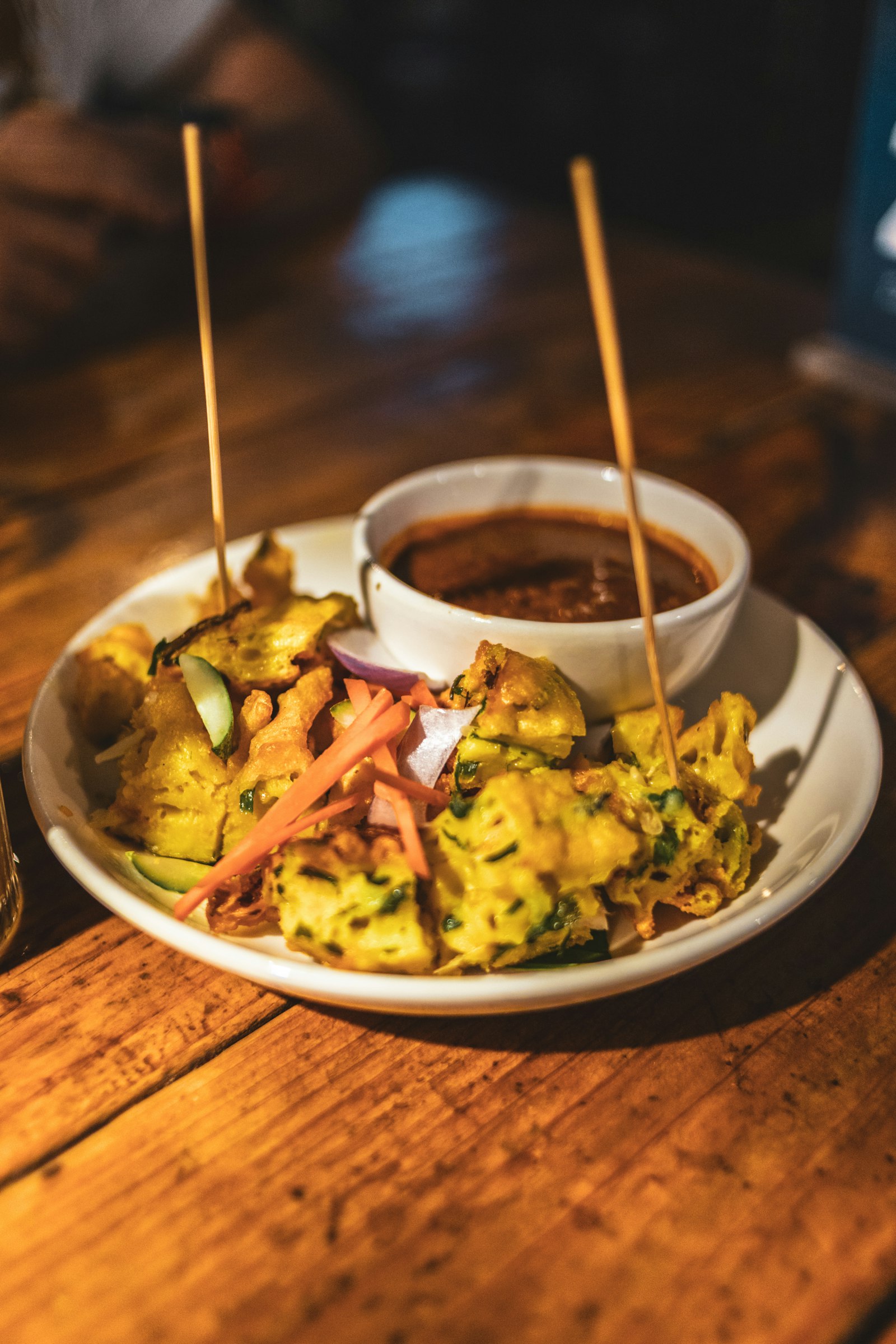
Amazing Food Culture
Malaysia is widely regarded as having one of the best food cultures in the world, and food is arguably the strongest unifying force in this diverse nation. Malaysians of all backgrounds bond over food, and the country's hawker centers, night markets, and restaurants offer an extraordinary range of cuisines.
Malay cuisine features rich, aromatic dishes like nasi lemak (coconut rice with sambal), rendang (slow-cooked spiced meat), and satay. Chinese Malaysian food includes everything from dim sum and char kway teow to Hokkien mee and bak kut teh. Indian Malaysian cuisine offers roti canai, banana leaf rice, and tandoori specialties. And then there are unique Malaysian fusion dishes that defy ethnic categorization.
Understanding the significance of halal food is important when dining in Malaysia. Malay Muslims eat only halal food, so restaurants are typically either halal-certified (no pork, no alcohol) or non-halal. Being aware of these distinctions and respectful of your partner's dietary requirements shows cultural sensitivity.
Eating together is one of the most important social activities in Malaysia, and sharing meals with your partner's family is a key relationship milestone. Malaysian families are generous with food, and showing genuine appreciation for home cooking is a sure way to win hearts. Learning to eat with your hands (for certain dishes like banana leaf rice) is an authentic cultural experience that locals will appreciate.
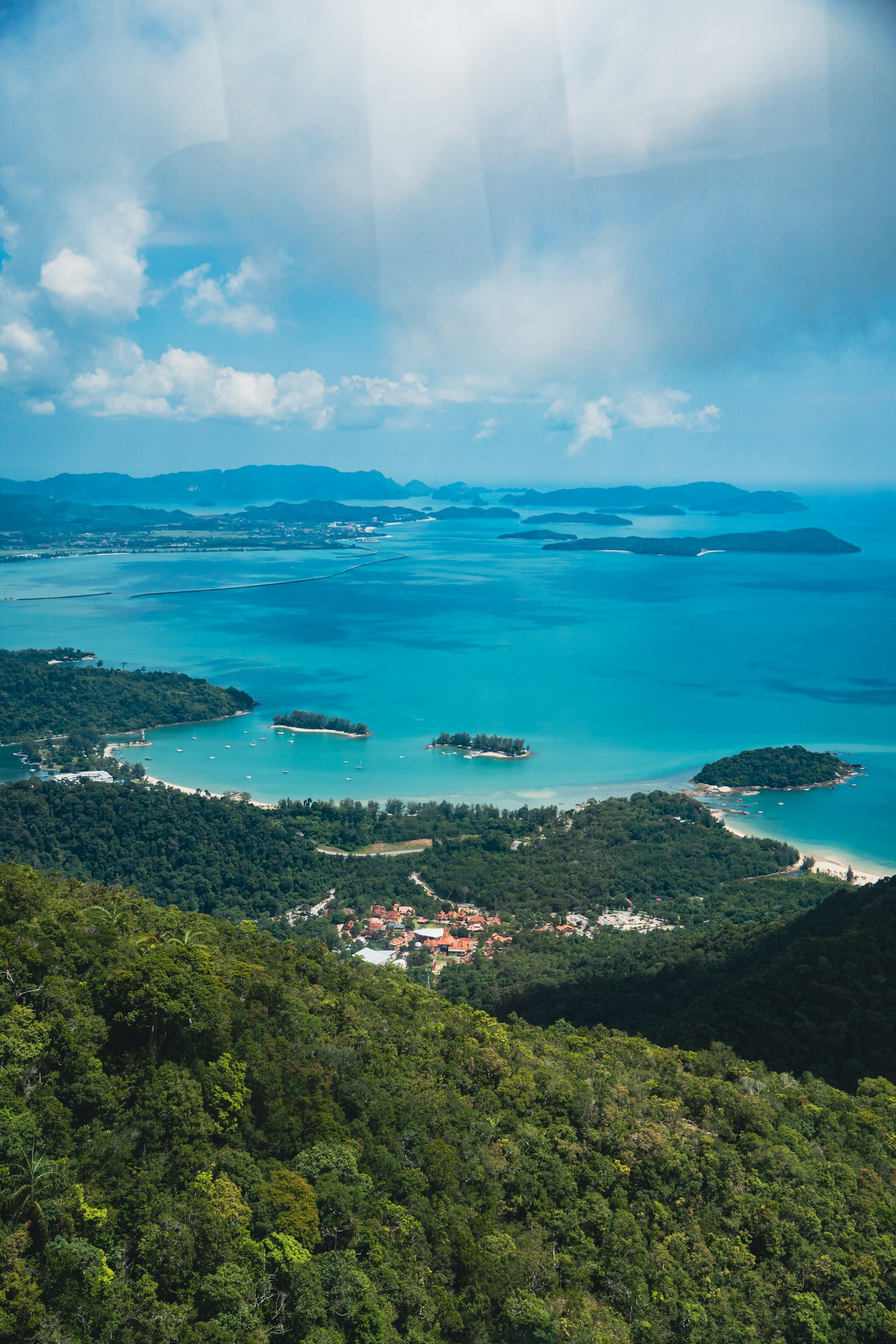
Tropical Paradise
Malaysia's geography offers remarkable variety, from the modern skyline of Kuala Lumpur to the ancient rainforests of Borneo, the beautiful islands of the east coast, and the colonial heritage of Penang and Malacca. This diversity provides endless opportunities for couple travel and exploration.
Peninsular Malaysia offers a mix of urban excitement and natural beauty. Kuala Lumpur's iconic Petronas Twin Towers, vibrant street art scene, and incredible food draw visitors, while the Cameron Highlands provide a cool retreat with tea plantations and strawberry farms. The islands of Langkawi, Redang, and Perhentian offer world-class beaches and diving.
Malaysian Borneo (Sabah and Sarawak) is a world apart, offering encounters with orangutans at Sepilok, climbing Southeast Asia's highest peak (Mount Kinabalu), exploring vast cave systems at Mulu National Park, and meeting indigenous communities in the rainforest. These adventures create unforgettable shared experiences for couples.
Penang, often called the food capital of Asia, combines colonial architecture, street art, bustling hawker centers, and beautiful beaches. Georgetown's UNESCO World Heritage status and multicultural character make it one of Malaysia's most charming destinations. Malacca (Melaka), another UNESCO World Heritage city, offers insight into Malaysia's maritime trading history and Peranakan (Straits Chinese) culture.