Myanmar
Ancient Heritage & Buddhist Values
Capital
Naypyidaw
Language
Burmese
Religion
Theravada Buddhism (88%)
Currency
Myanmar Kyat (MMK)
Time Zone
UTC+6:30
Best Time to Visit
October - February
The Myanmar guides
Free to read, no account needed.
Overview
Myanmar's culture is deeply rooted in Theravada Buddhism, with monasteries and pagodas central to community life. Traditional values, respect for elders, and conservative social norms shape relationships.
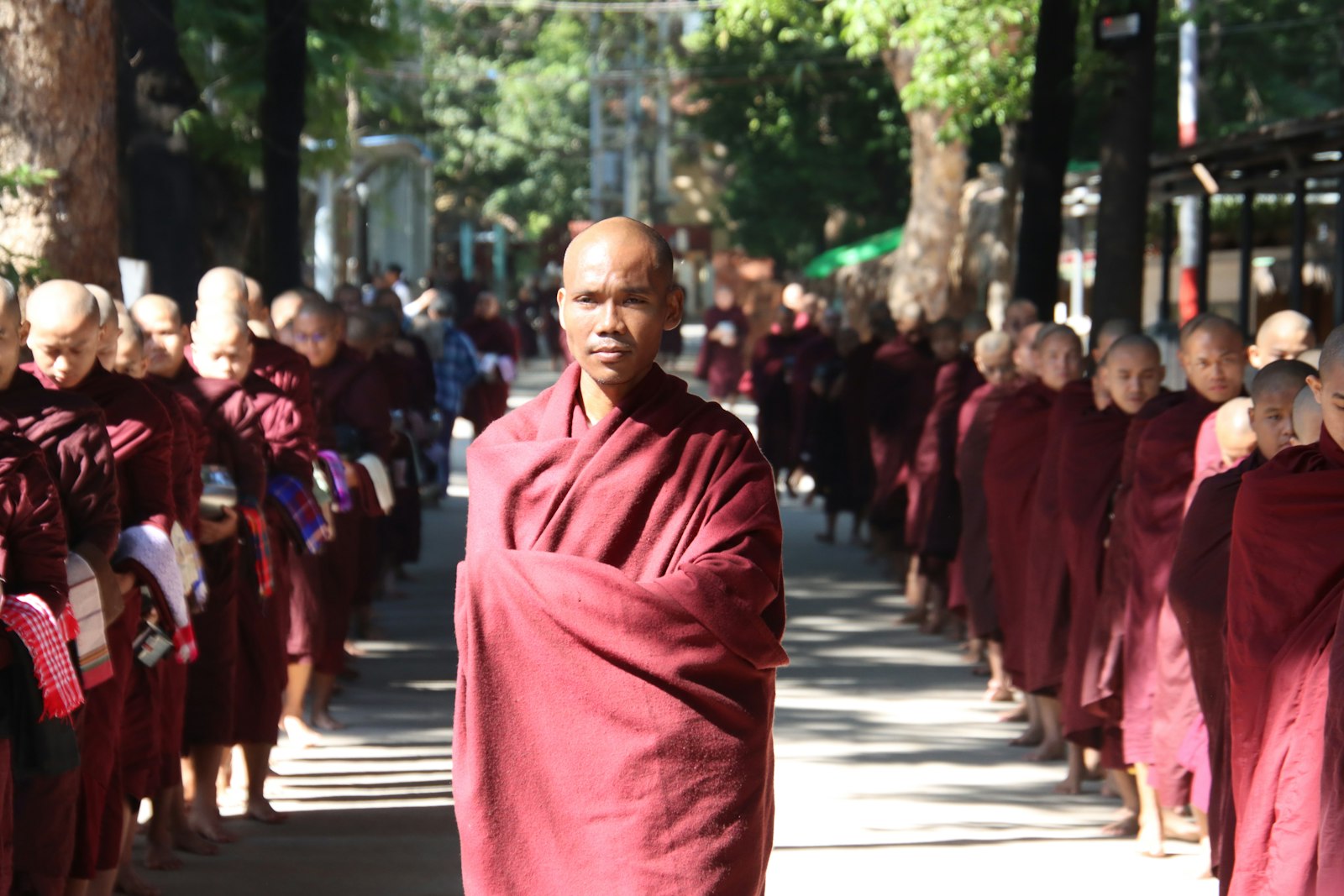
Deep Buddhist Heritage
Myanmar is one of the most devoutly Buddhist countries in the world, with Buddhism shaping virtually every aspect of daily life, social interaction, and relationship expectations. The country has more monks per capita than any other nation, and monasteries serve as centers of education, community support, and moral guidance.
The concept of 'merit' (kutho) is central to Burmese life. People earn merit through acts of generosity, moral conduct, and meditation, which is believed to determine one's fortune in this life and future rebirths. Supporting monastery activities, offering food to monks, and participating in religious ceremonies are daily practices that demonstrate spiritual commitment.
Pagodas and temples are the most visible symbols of Myanmar's Buddhist heritage. The Shwedagon Pagoda in Yangon, covered in real gold and diamonds, is the most sacred Buddhist site in Myanmar. Bagan, with its plain of over 2,000 ancient temples, is one of the most extraordinary archaeological sites in Asia. Visiting these sacred sites with respect and understanding enhances cultural connection.
Buddhist holidays like Thingyan (Water Festival/Burmese New Year in April), Thadingyut (Festival of Lights marking the end of Buddhist Lent), and Tazaungdaing (Robe Weaving Festival) are major celebrations that bring communities together in joyous, colorful festivities. Participating in these celebrations is a wonderful way to experience Burmese culture and bond with your partner's community.
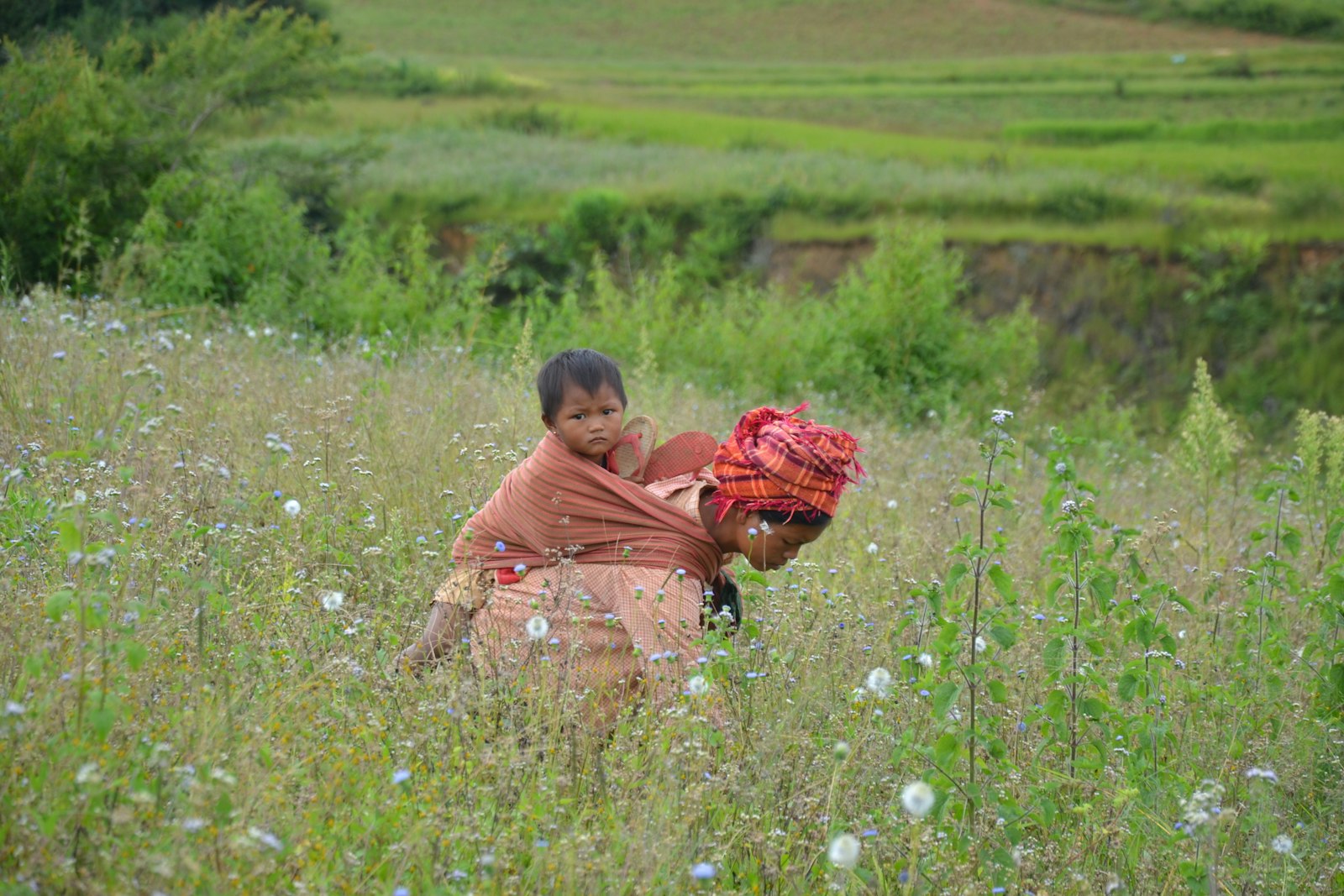
Traditional Values
Burmese society is deeply conservative compared to some of its Southeast Asian neighbors. Traditional values around modesty, respect, and family honor continue to strongly influence relationship expectations. Understanding and respecting these values is essential for building a genuine connection with a Burmese partner.
Gender roles in Myanmar are influenced by both Buddhist teachings and traditional cultural norms. While Burmese women have historically enjoyed more economic independence than women in some neighboring countries (running businesses and managing family finances), social expectations around modesty, family responsibility, and marital roles remain strong.
The Burmese concept of 'hpon' (spiritual power or glory) is traditionally associated with men and is believed to reside in the head — the highest part of the body. This belief influences certain customs, such as women not hanging laundry above men's clothing and not touching a man's head. While younger generations may be less strict about these customs, awareness of them shows cultural sensitivity.
Astrology plays a significant role in Burmese life, including in relationships. Many Burmese consult astrologers before making major decisions, including marriage. Your partner's family may want to check astrological compatibility before fully supporting the relationship. Approaching this with respect rather than dismissal is important, even if you don't personally believe in astrology.
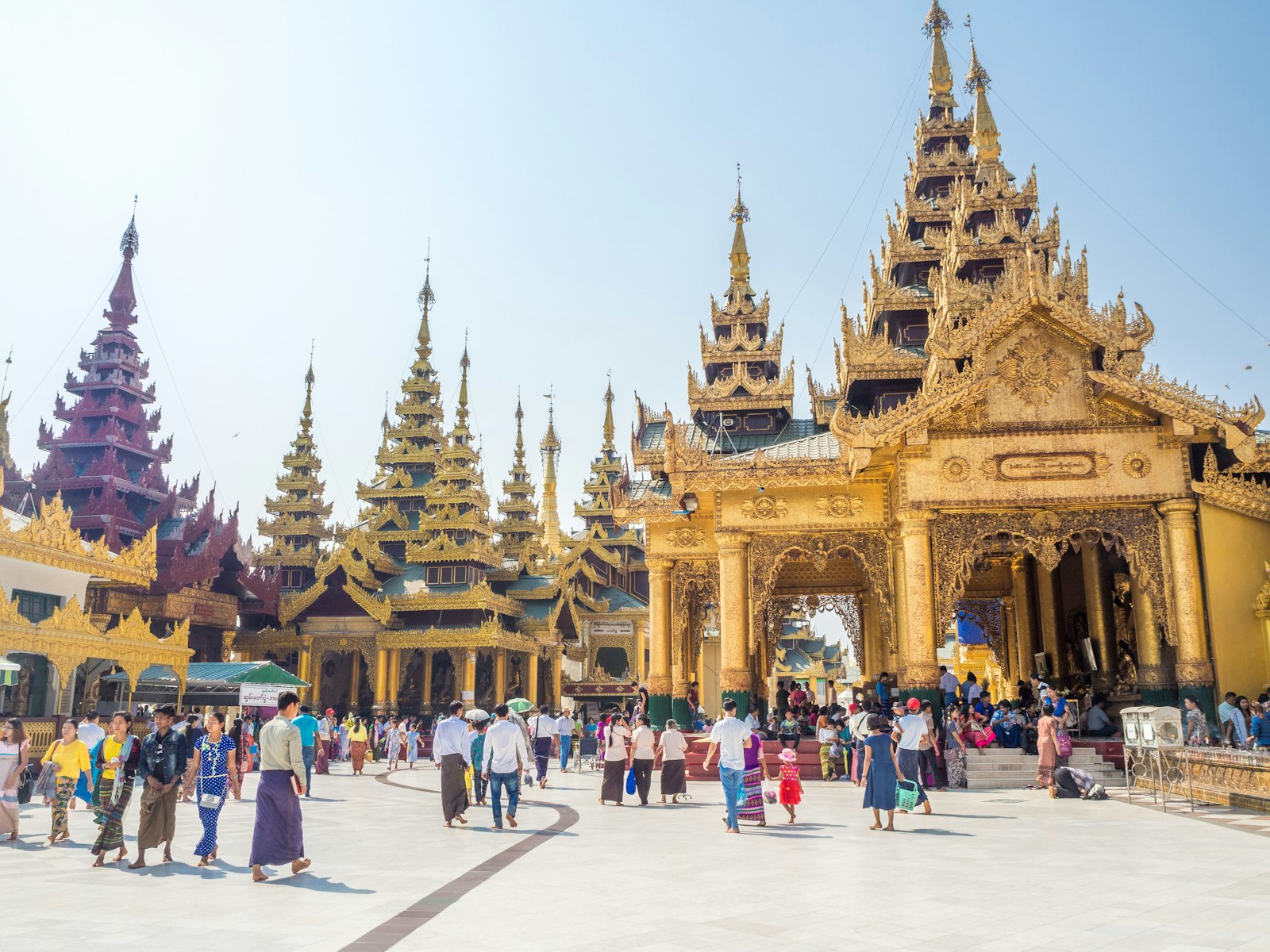
Ancient Pagodas & Temples
Myanmar's temple architecture is among the most impressive in Southeast Asia, reflecting centuries of Buddhist devotion and artistic achievement. From the golden stupas of Yangon to the ancient plains of Bagan, the country's sacred sites offer profound cultural experiences for visitors willing to approach them with respect and openness.
Bagan is arguably Myanmar's most spectacular destination, with over 2,000 ancient temples and pagodas spread across a vast plain along the Irrawaddy River. Exploring these temples at sunrise or sunset, either by bicycle, e-bike, or hot air balloon, is one of Southeast Asia's most unforgettable experiences and a romantic adventure for couples.
Mandalay, Myanmar's cultural heartland, is home to numerous monasteries, the world's largest book (inscribed on 729 marble slabs at Kuthodaw Pagoda), and the stunning U Bein Bridge — the world's oldest and longest teak bridge. The surrounding area includes the ancient cities of Amarapura, Inwa, and Sagaing, each offering unique historical insights.
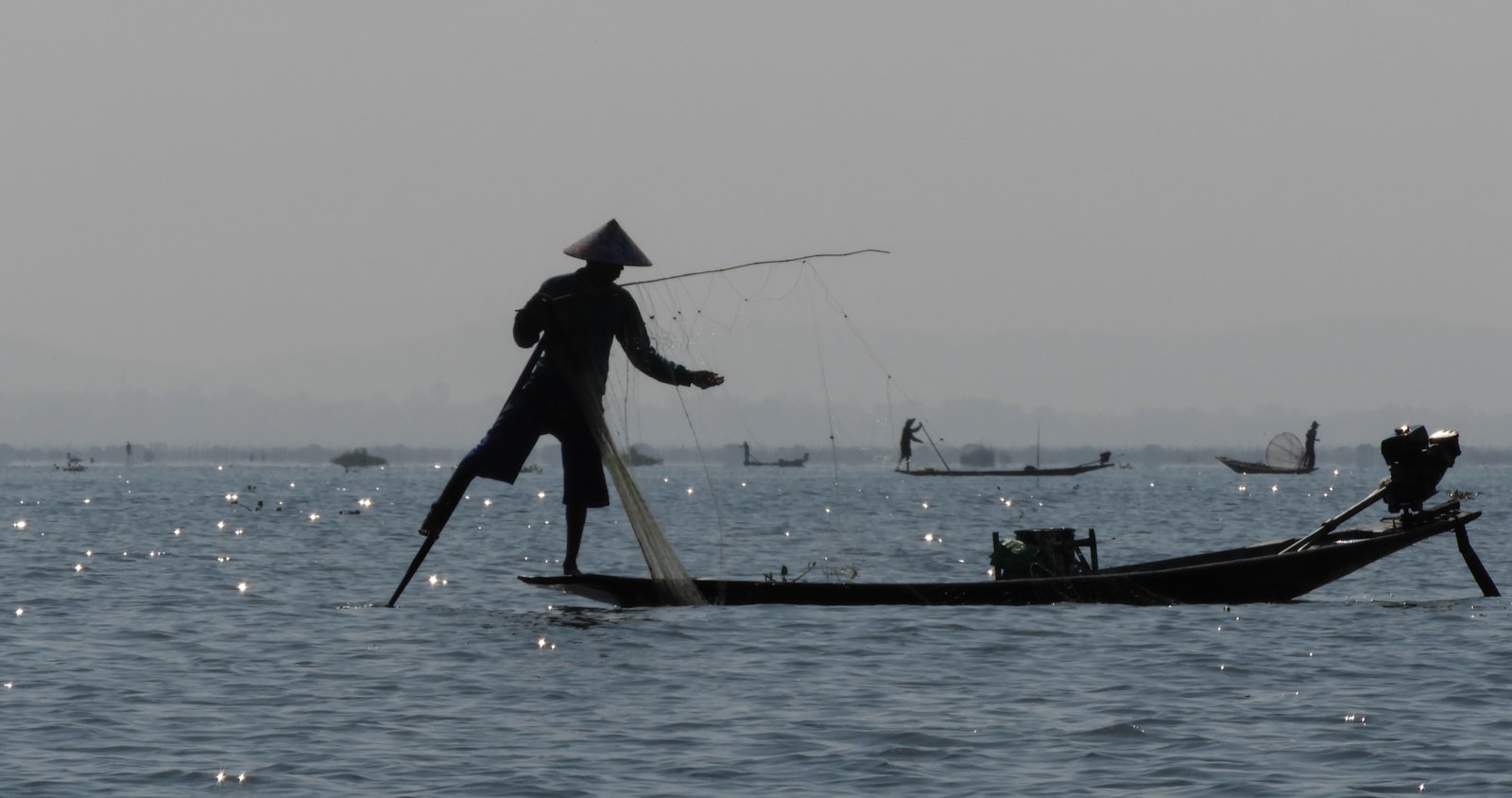
Inle Lake, with its unique floating gardens, leg-rowing fishermen, and stilted villages, provides a completely different Myanmar experience. The lake's Shan communities maintain traditions that have remained largely unchanged for centuries. Exploring the lake by boat, visiting local craft workshops, and sampling Shan cuisine make for enriching couple activities.
Warm & Generous People
Despite the challenges Myanmar has faced, its people are renowned for their warmth, generosity, and genuine kindness toward visitors. Burmese hospitality is heartfelt and unpretentious, reflecting Buddhist values of generosity (dana) and compassion (karuna). Many visitors describe Myanmar as the friendliest country they've ever visited.
Burmese people are naturally curious and welcoming toward foreigners, often going out of their way to help visitors or strike up conversations. This openness extends to how international partners are typically received — with genuine warmth and interest. However, it's important to reciprocate this generosity and avoid taking it for granted.
The traditional Burmese greeting involves placing the palms together and nodding, accompanied by the phrase 'mingalarbar' (blessing). Learning basic Burmese phrases shows effort and respect that locals deeply appreciate. The Burmese script, while beautiful, is challenging to learn, but even a few words of spoken Burmese will delight your partner and her family.
Gift-giving is appreciated when visiting Burmese families. Appropriate gifts include fruit, sweets, or items from your home country. When visiting monasteries, donations of food, robes, or money are welcome. The Burmese practice of sharing (especially food) is deeply ingrained — even families with very little will insist on sharing what they have with guests.