Singapore
Modern Melting Pot
Capital
Singapore (city-state)
Language
English, Mandarin, Malay, Tamil
Religion
Buddhism, Christianity, Islam, Hinduism
Currency
Singapore Dollar (SGD)
Time Zone
UTC+8
Best Time to Visit
February - April
The Singapore guides
Free to read, no account needed.
Overview
Singapore is a modern, multicultural city-state with Chinese, Malay, Indian, and Western influences. Efficiency, education, and career success are highly valued.
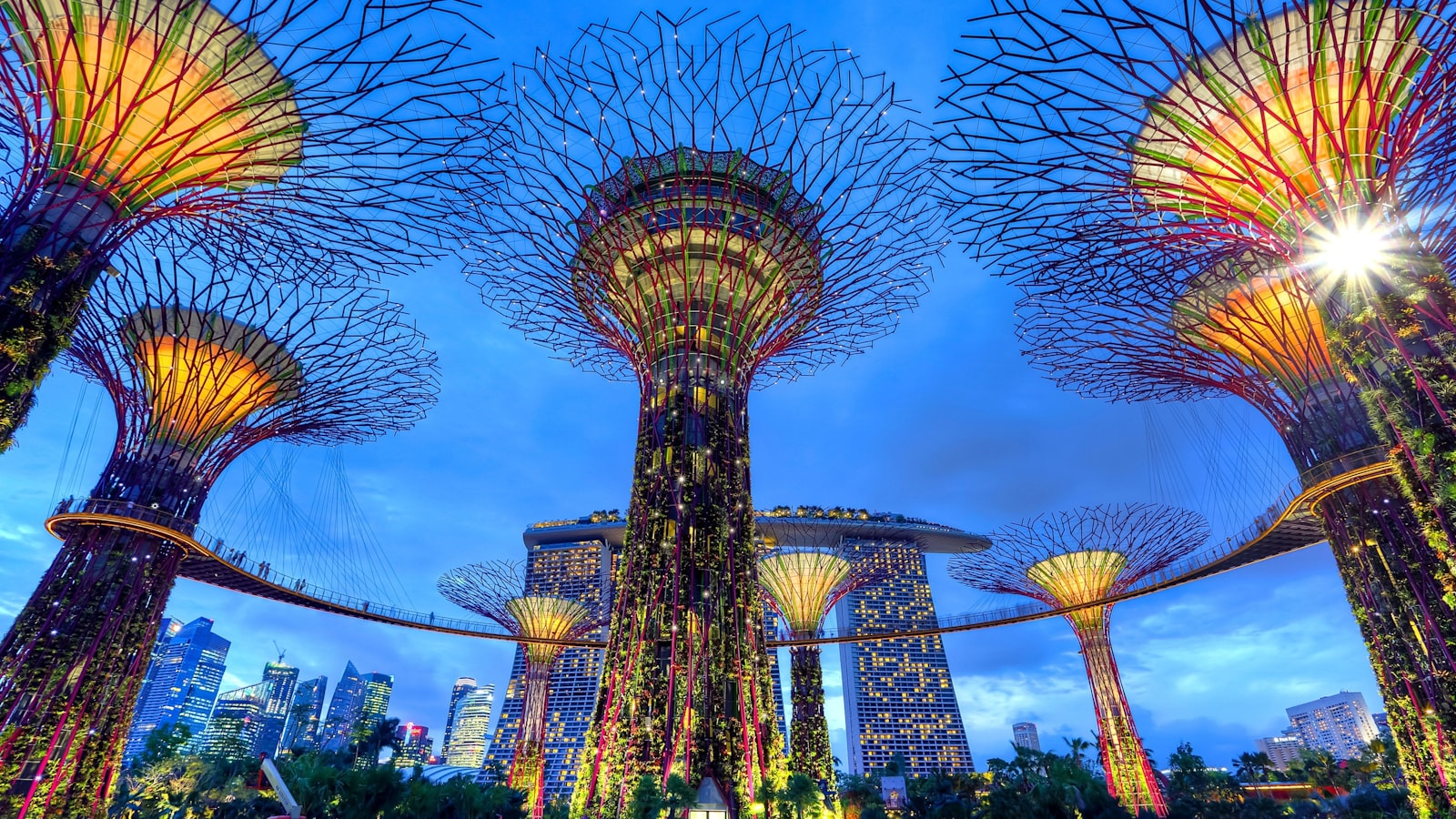
Modern City-State
Singapore's transformation from a small trading port to one of the world's most prosperous and efficient cities is a remarkable success story. The city-state's emphasis on education, meritocracy, and good governance has created a society that values achievement, stability, and forward planning — values that extend into relationship expectations.
Singaporean women are among the most educated and career-driven in Asia. The country's world-class education system produces graduates who are globally competitive, multilingual, and culturally sophisticated. Many Singaporean women have studied or worked abroad and bring an international perspective to relationships.
The government's influence on social life is more visible in Singapore than in most countries, from the design of public housing (HDB flats, where about 80% of the population lives) to marriage and baby bonuses intended to boost the birth rate. Understanding these policies provides context for the social pressures and incentives that may influence your partner's life decisions.
Singapore's strict law enforcement and rules (including bans on chewing gum, heavy fines for littering, and drug laws with severe penalties) create an exceptionally clean, safe, and orderly environment. While these rules may seem excessive to some Australians, they contribute to the high quality of life that Singaporeans value.
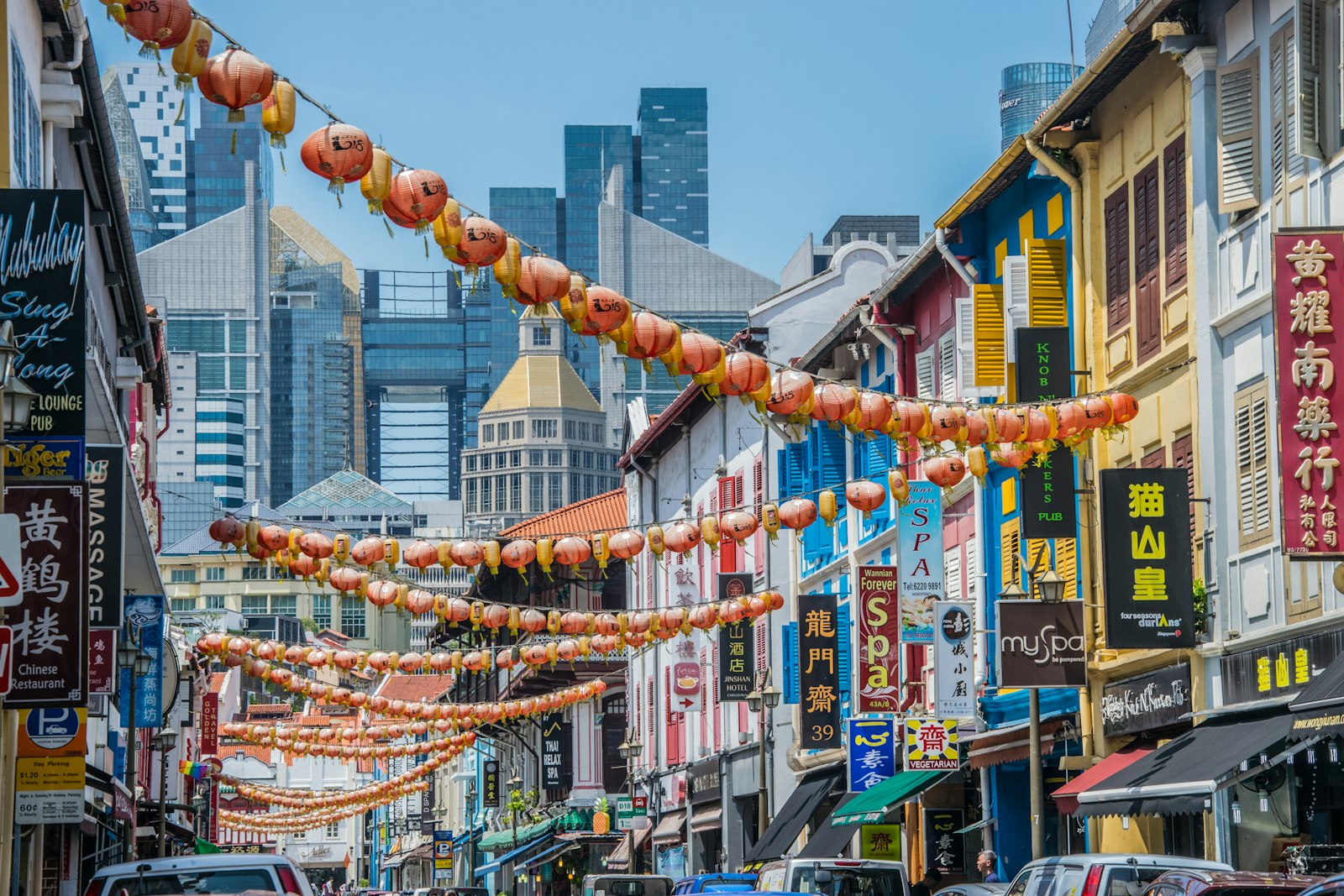
Multicultural Melting Pot
Singapore's population is approximately 76% Chinese, 15% Malay, and 7.5% Indian, with a significant expatriate community. This diversity is managed through careful policies of racial harmony and multiculturalism, with four official languages (English, Mandarin, Malay, and Tamil) and a public housing system designed to ensure ethnic integration.
English serves as the primary language of business and education, making Singapore one of the most accessible Asian destinations for English-speaking Australians. However, most Singaporeans are bilingual or trilingual, and 'Singlish' (a unique English creole incorporating Malay and Chinese words) is the informal language of daily life. Understanding common Singlish expressions adds fun and connection to your interactions.
Each ethnic community maintains its own cultural traditions while participating in a shared Singaporean identity. Chinatown, Little India, and Kampong Glam (the Malay/Arab quarter) are distinct cultural neighborhoods that showcase this diversity. Exploring these areas together provides insight into Singapore's multicultural fabric.
Inter-ethnic dating is relatively common in Singapore, though some families may have preferences about their children's partners' ethnic or religious backgrounds. The generally cosmopolitan and multicultural nature of Singaporean society means that international relationships are well-accepted, particularly among younger generations.
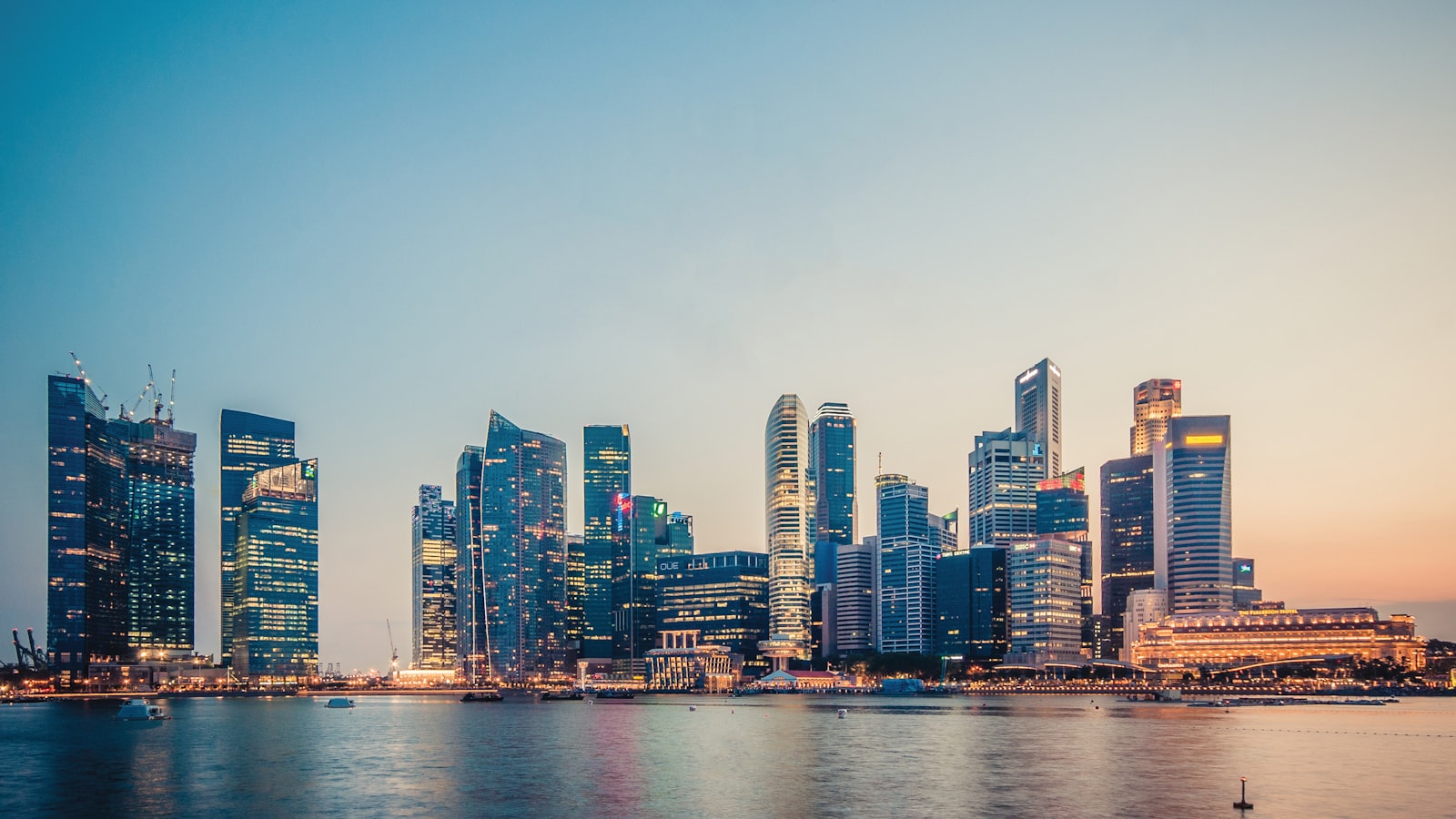
High Standard of Living
Singapore consistently ranks among the most expensive cities in the world, and this high cost of living shapes both lifestyle and relationship dynamics. Understanding the financial landscape is important for managing expectations and planning a shared future.
Housing is the biggest expense in Singapore. The majority of the population lives in government-built HDB (Housing Development Board) flats, which are affordable by Singaporean standards but require citizenship or permanent residency to purchase. Private property is significantly more expensive. Many young Singaporeans live with their parents until marriage, partly due to housing costs.
Despite the high costs, Singapore offers an exceptional quality of life. World-class healthcare, an efficient public transportation system, excellent food, and a clean, safe environment make it a comfortable place to live. The famous hawker centers offer delicious meals at very affordable prices, proving that good living in Singapore doesn't always require deep pockets.
Singapore's strategic location makes it an excellent base for exploring Southeast Asia. Weekend trips to Malaysia, Indonesia, Thailand, and other regional destinations are easy and affordable with budget airlines. This accessibility is a significant lifestyle advantage for couples who enjoy travel.
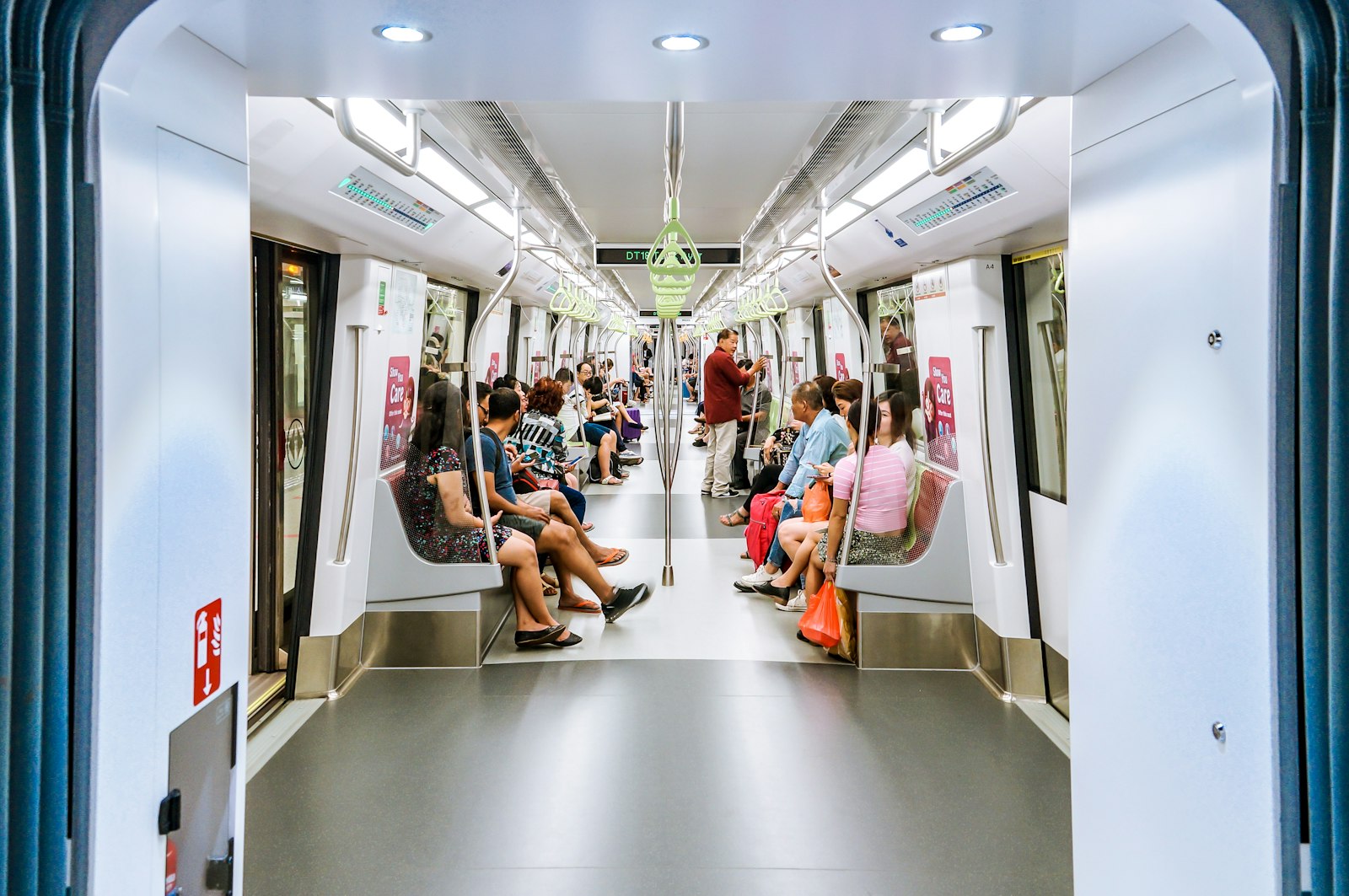
Safe & Efficient
Singapore is one of the safest cities in the world, with remarkably low crime rates and a strong sense of public order. Walking alone at night, using public transportation late in the evening, and leaving belongings unattended at hawker centers (a common practice known as 'choping' a table with a tissue packet) are all perfectly safe — a level of security that many newcomers find refreshing.
The city's public transportation system — comprising the MRT (Mass Rapid Transit), buses, and ride-hailing services — is efficient, clean, and affordable. Getting around Singapore is easy, and the compact size of the island (about 730 square kilometers) means that nowhere is more than an hour's journey by public transport.
Singapore's healthcare system is ranked among the best in the world, combining public and private healthcare in a system that delivers excellent outcomes at relatively reasonable costs. For those considering a longer stay, access to quality healthcare is an important practical advantage.
The efficiency that characterizes Singaporean life extends to government services, which are highly digitalized and user-friendly. From immigration processes to utility connections, bureaucratic procedures are generally smooth and well-organized. This efficiency can be a welcome change for those accustomed to more complex administrative processes elsewhere in the region.