Thailand
Customs & Etiquette
Capital
Bangkok
Language
Thai
Religion
Theravada Buddhism (95%)
Currency
Thai Baht (THB)
Time Zone
UTC+7
Best Time to Visit
November - February
The Thailand guides
Free to read, no account needed.
Overview
Thai culture is deeply influenced by Buddhism and the concept of 'sanuk' (fun). Understanding Thai social hierarchies, the importance of 'kreng jai' (consideration for others), and appropriate behavior in different contexts is essential. Thailand's tourism infrastructure makes it an accessible destination for those new to Southeast Asia.
Buddhist Culture
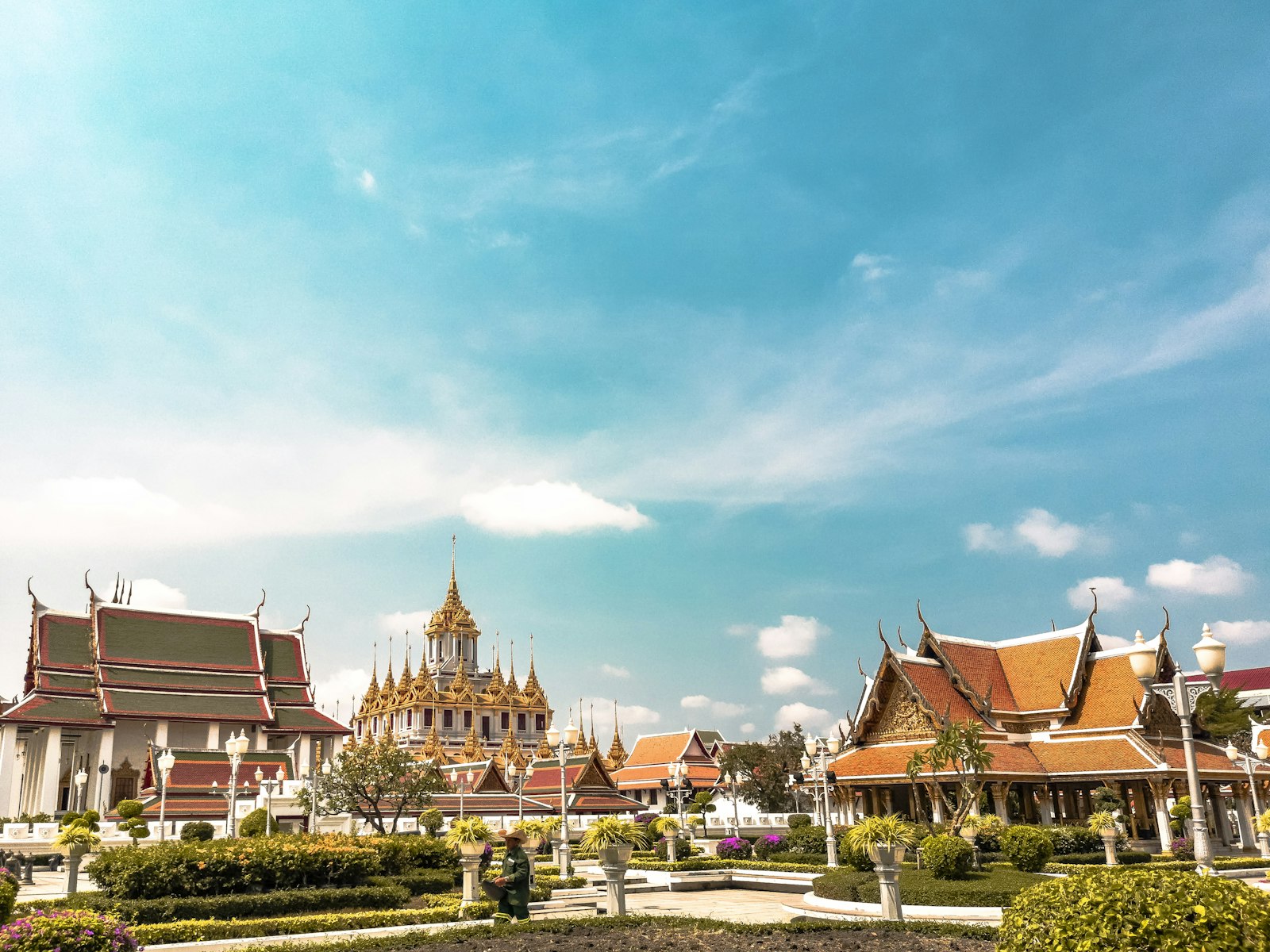
Buddhism is not just a religion in Thailand — it's the foundation of Thai identity and daily life. Approximately 95% of the population practices Theravada Buddhism, and its influence is visible everywhere, from the ornate temples (wats) that dot the landscape to the monks who walk the streets each morning collecting alms.
Understanding Buddhist concepts helps you navigate Thai relationships. The idea of 'karma' (the belief that actions have consequences) influences how Thais approach life and relationships. 'Sanuk' (the pursuit of enjoyment) is another key concept — Thais value a light-hearted approach to life and tend to avoid heavy or confrontational situations. Maintaining a 'jai yen' (cool heart) and avoiding displays of anger is highly valued.
Respect for the monarchy and religion are paramount. Never speak disrespectfully about the King or royal family (lèse-majesté is a serious criminal offense), and always show proper respect at temples — remove shoes before entering, dress modestly, and never point your feet at Buddha images. Women should never touch or hand items directly to monks.
The 'wai' (pressing palms together at chest level with a slight bow) is the traditional Thai greeting and shows respect. Learning when and how to wai properly demonstrates cultural awareness. In general, younger people wai first to elders, and the height of the hands indicates the level of respect being shown.

Tourist-Friendly
Thailand has been welcoming international visitors for decades, earning its reputation as the 'Land of Smiles.' The country's well-developed tourism infrastructure makes it one of the easiest Southeast Asian countries for Australians to visit, with direct flights from major Australian cities, excellent domestic transport networks, and a wide range of accommodation options.
Bangkok serves as a major regional hub with two international airports. From there, domestic flights, trains, and buses connect to destinations across the country. Popular areas like Chiang Mai, Phuket, Pattaya, and Koh Samui have extensive tourist facilities, English-language signage, and staff accustomed to working with international visitors.
For first-time visitors to Southeast Asia, Thailand provides a comfortable entry point. The presence of familiar international chains alongside local businesses means you can ease into the culture at your own pace. Medical tourism is also well-established, with Bangkok home to some of the region's best hospitals.
Thailand offers various visa options for longer stays, including tourist visas (60 days), retirement visas (for those over 50), and the newer Long-Term Resident (LTR) visa. Understanding the visa landscape is important if you're planning to spend extended time in the country to develop a relationship.
Excellent Cuisine
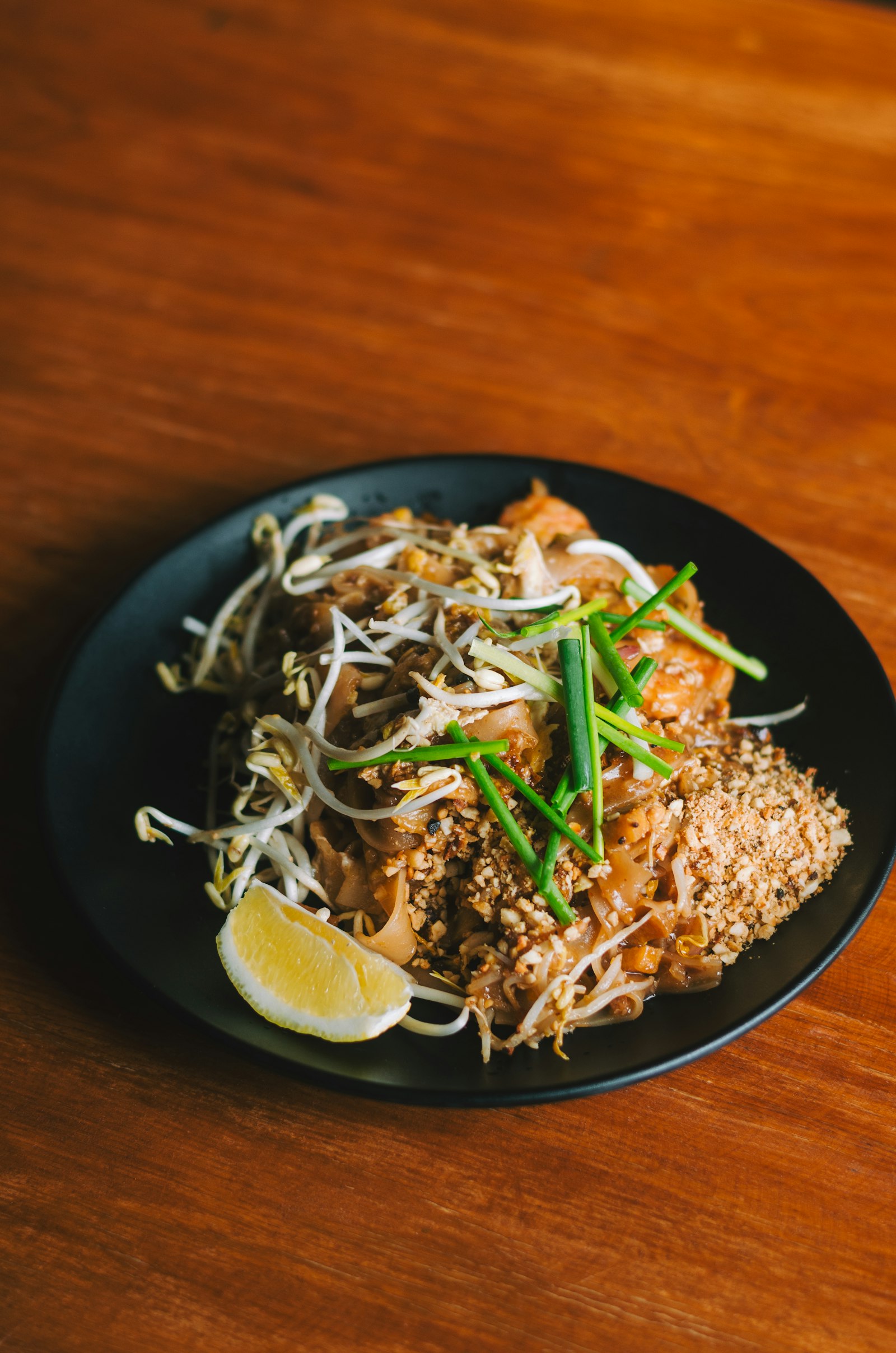
Thai cuisine is renowned worldwide, and food plays a central role in Thai social life and relationships. Meals are communal affairs, with dishes shared among the group. Understanding and appreciating Thai food culture is one of the best ways to connect with a Thai partner and her family.
Thai food is characterized by its balance of five fundamental flavors: sweet, sour, salty, bitter, and spicy. Regional cuisines vary significantly — northern Thai food (like khao soi) tends to be milder and influenced by Burmese and Lao flavors, while southern Thai cuisine is known for its intense heat and use of turmeric and coconut. Isaan (northeastern) food features sticky rice, som tam (papaya salad), and grilled meats.
Street food is an integral part of Thai culture, and some of the best meals in Thailand come from roadside vendors and market stalls. Bangkok's street food scene is legendary, with Chinatown (Yaowarat) and various night markets offering incredible variety. Cooking together or taking a Thai cooking class can be a wonderful bonding activity for couples.
Food etiquette matters in Thailand. Rice is the centerpiece of every meal, and wasting rice is considered disrespectful. Thais typically eat with a fork and spoon (not chopsticks, except for noodle soups). When dining with a Thai family, waiting for the eldest to begin eating first shows respect.
Expat Communities
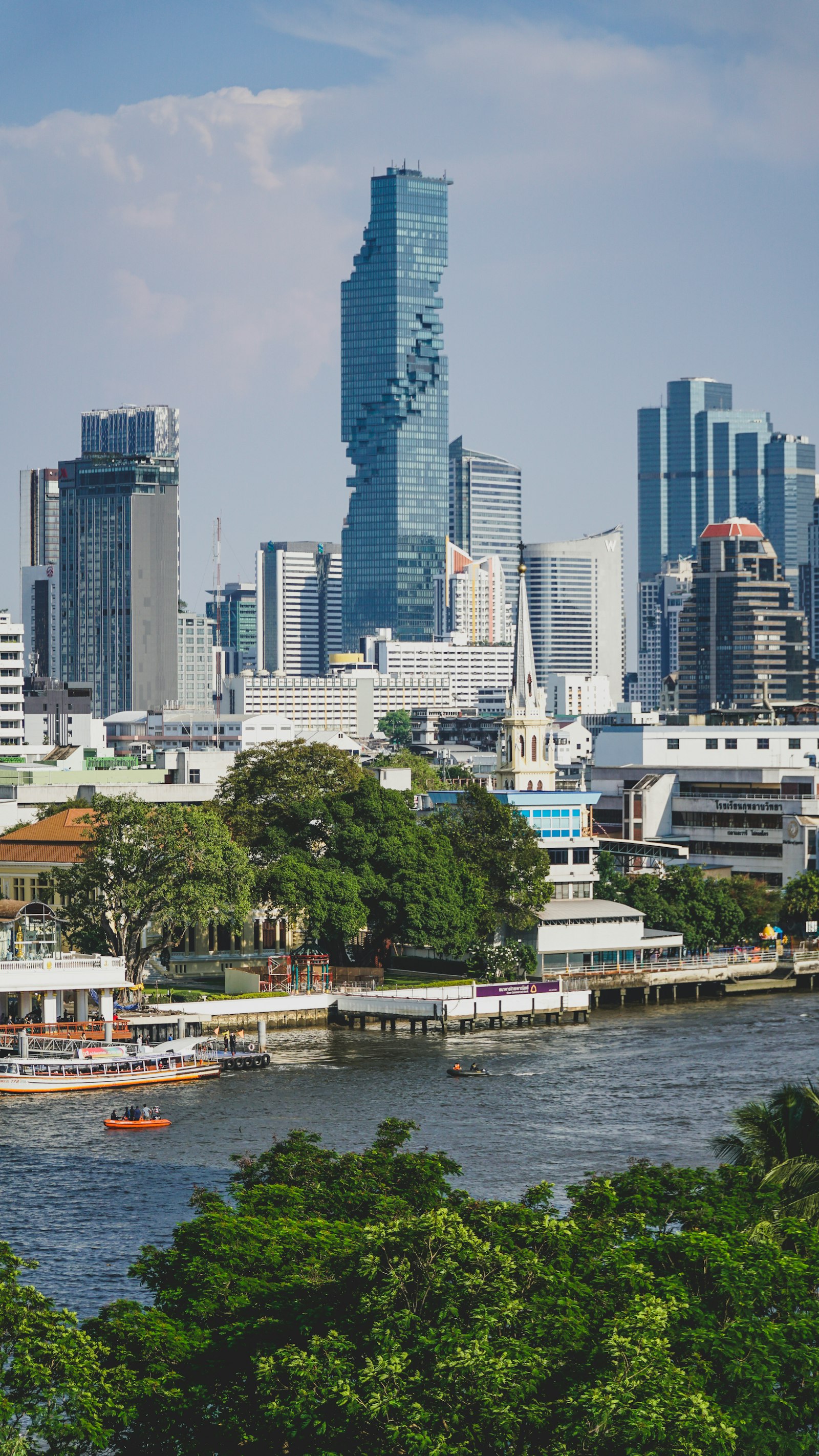
Thailand hosts one of the largest and most established expat communities in Southeast Asia. Australians, in particular, have a strong presence, with significant communities in Bangkok, Chiang Mai, Phuket, and Pattaya. These communities provide invaluable support for those navigating cross-cultural relationships.
Chiang Mai has become especially popular with remote workers and retirees, offering a lower cost of living than Bangkok with a more relaxed pace of life. The city's temperate climate, surrounded by mountains, provides a pleasant alternative to the tropical heat of the south. Active social groups, regular meetups, and co-working spaces make it easy to build a network.
Bangkok's expat community is diverse and well-organized, with numerous Australian-focused groups, clubs, and events. The Australian-Thai Chamber of Commerce, ANZAC Day commemorations, and various social clubs provide opportunities to connect with fellow Australians while also meeting Thai people in a comfortable setting.
Online communities and forums dedicated to expat life in Thailand offer practical advice on everything from visa requirements to relationship dynamics. These resources can be invaluable for those in the early stages of a cross-cultural relationship, providing real-world insights that guidebooks don't cover.