Timor-Leste
Emerging Nation & Catholic Culture
Capital
Dili
Language
Tetum, Portuguese
Religion
Roman Catholic (97%)
Currency
US Dollar (USD)
Time Zone
UTC+9
Best Time to Visit
May - November (dry season)
The Timor-Leste guides
Free to read, no account needed.
Overview
Timor-Leste (East Timor) is one of Asia's youngest nations with a unique blend of Austronesian, Portuguese, and Catholic traditions. Family and community bonds are extremely strong.

Catholic Traditions
Timor-Leste is one of the most Catholic countries in the world, with approximately 97% of the population identifying as Roman Catholic. This deep religious faith, inherited from centuries of Portuguese colonization, plays a central role in daily life, social values, and relationship expectations.
Church attendance is high, and Catholic holidays — particularly Easter, Christmas, and saints' feast days — are major community celebrations. Understanding the liturgical calendar and participating respectfully in religious observances shows cultural awareness and is likely to be appreciated by your partner and her family.
Catholic values around marriage, family, and commitment strongly influence relationship expectations in Timor-Leste. Marriage is generally viewed as a sacred, lifelong commitment, and divorce is uncommon and socially stigmatized. Understanding the seriousness with which marriage is viewed is important before entering a committed relationship.
The Catholic Church in Timor-Leste played a significant role in the independence struggle, and many Timorese view their faith as intertwined with their national identity. Understanding this connection between faith and patriotism provides important context for appreciating your partner's values and the broader cultural significance of Catholicism in Timorese society.
Strong Community Bonds
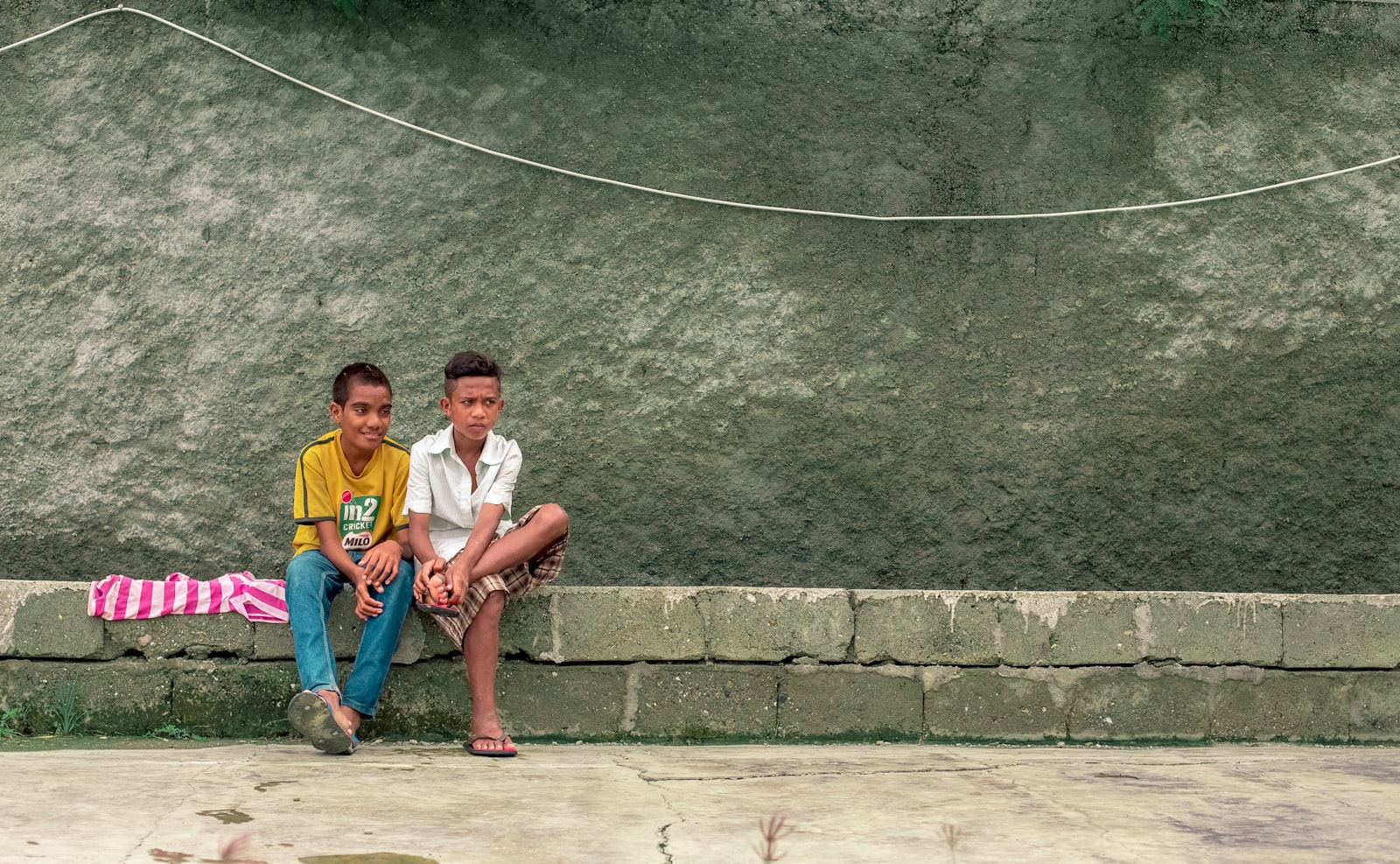
Timor-Leste's small population (around 1.3 million) and shared history of struggle for independence have created exceptionally strong community bonds. The concept of extended family and community responsibility is central to Timorese life, and entering a relationship means becoming part of this close-knit social network.
Traditional Timorese social structure is organized around 'uma lulik' (sacred houses), which represent family lineages and ancestral connections. These structures continue to play a role in modern Timorese life, particularly in rural areas, influencing marriage arrangements, property rights, and community governance. Understanding your partner's uma lulik connections shows cultural depth.
The traditional practice of 'barlake' (bride price) remains significant in Timorese marriage customs. This involves the groom's family providing gifts — traditionally including animals, textiles, and money — to the bride's family. The practice is viewed not as 'buying' a bride but as establishing a bond between two families and showing respect for the bride's family. Discussions about barlake expectations should happen early and openly.
Community gatherings, church events, and traditional ceremonies provide the social fabric of Timorese life. Being willing to participate in these events — from village meetings to church celebrations to traditional rituals — demonstrates your commitment to becoming part of the community, not just maintaining an isolated relationship.
Emerging Nation
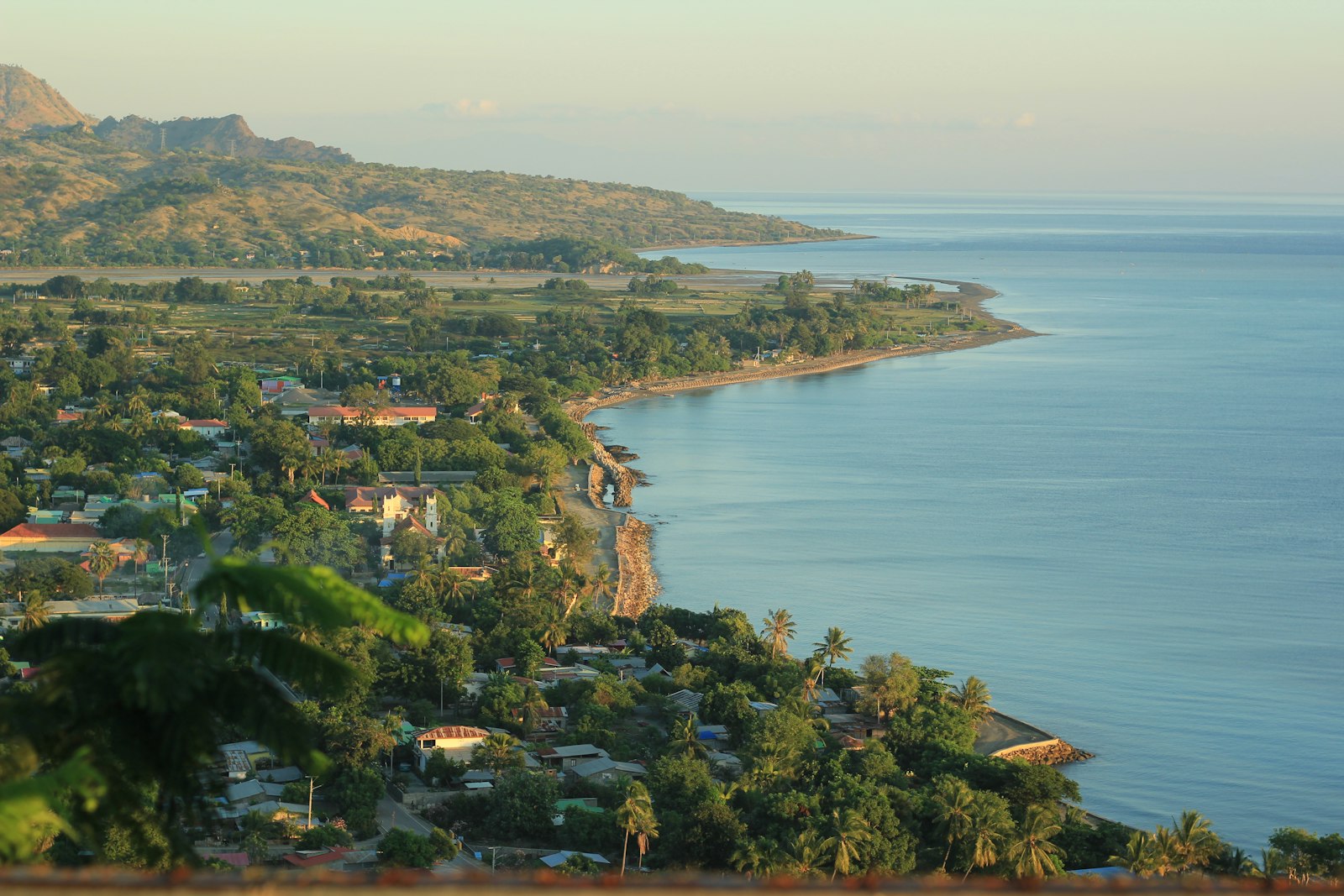
Timor-Leste gained independence from Indonesia in 2002, making it one of the youngest nations in the world. This recent history of struggle and nation-building has shaped a resilient, proud population with a strong sense of national identity. Understanding this history is essential for anyone building a relationship in Timor-Leste.
The country's development is still in its early stages, with limited infrastructure compared to its more developed neighbors. This means that daily life involves challenges — unreliable electricity, limited internet connectivity in rural areas, and fewer consumer goods and services. Being adaptable and comfortable with simpler living conditions demonstrates commitment.
Australia has a special relationship with Timor-Leste, having led the INTERFET peacekeeping mission in 1999 and maintaining strong diplomatic and aid ties. This history means that Australians are generally well-regarded in Timor-Leste, and the connection between the two countries provides natural common ground for cross-cultural relationships.
Timor-Leste's oil and gas resources provide economic potential, but sustainable development remains a challenge. Many young Timorese are well-educated and ambitious, seeking opportunities to build their country's future. Understanding and supporting your partner's aspirations within this context of national development shows genuine interest in her world.
Pristine Natural Beauty
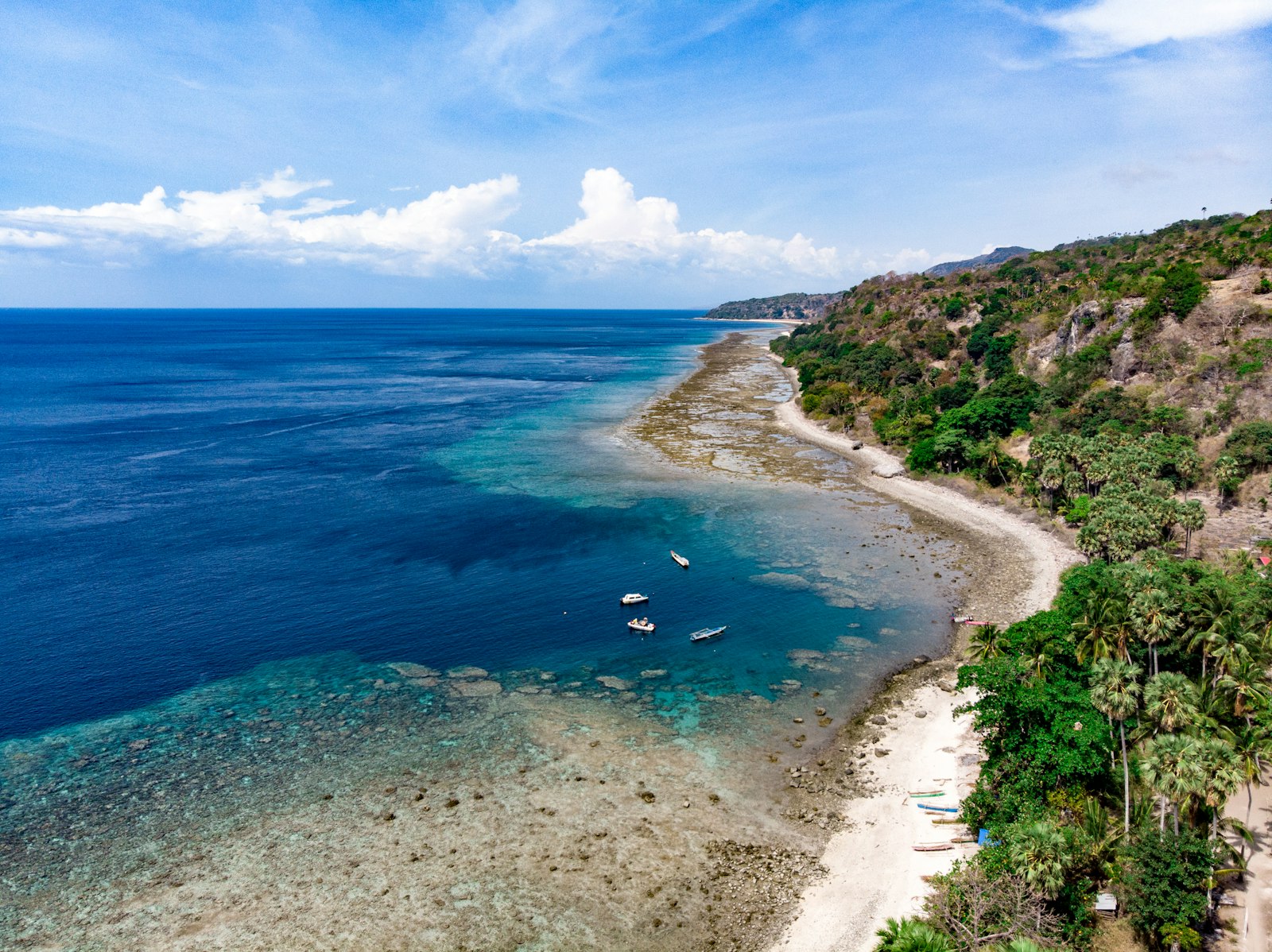
Timor-Leste's natural environment is one of its greatest treasures. Largely undeveloped and unspoiled, the country offers pristine coral reefs, mountainous landscapes, and untouched beaches that rival any destination in Southeast Asia. For couples who love nature and adventure, Timor-Leste is a hidden gem.
The waters around Timor-Leste are part of the Coral Triangle, the most biodiverse marine region on Earth. Diving and snorkeling here offer encounters with whale sharks, manta rays, dolphins, and an extraordinary variety of coral species. Atauro Island, just a short boat ride from Dili, is emerging as one of the world's best diving destinations.
The interior of Timor-Leste is mountainous and ruggedly beautiful, with Mount Ramelau (the country's highest peak at 2,963 meters) offering challenging hikes and spectacular views. The journey to the summit is often undertaken as a pilgrimage, with a statue of the Virgin Mary at the top, combining natural beauty with spiritual significance.
Timor-Leste's beaches, from the black sand shores near Dili to the pristine white sand beaches of the eastern districts, remain largely undeveloped and uncrowded. This unspoiled quality won't last forever as tourism gradually develops, making now an ideal time to experience the country's natural beauty in its most authentic state.