Vietnam
Travel Tips & Cultural Heritage
Capital
Hanoi
Language
Vietnamese
Religion
Buddhism, Catholicism, Folk religions
Currency
Vietnamese Dong (VND)
Time Zone
UTC+7
Best Time to Visit
February - April, August - October
The Vietnam guides
Free to read, no account needed.
Overview
Vietnamese culture blends traditional Confucian values with modern influences. Respect for elders, indirect communication styles, and the importance of 'saving face' are key cultural concepts. Understanding the North-South cultural differences, the role of family in decision-making, and dating etiquette will help you navigate relationships successfully.
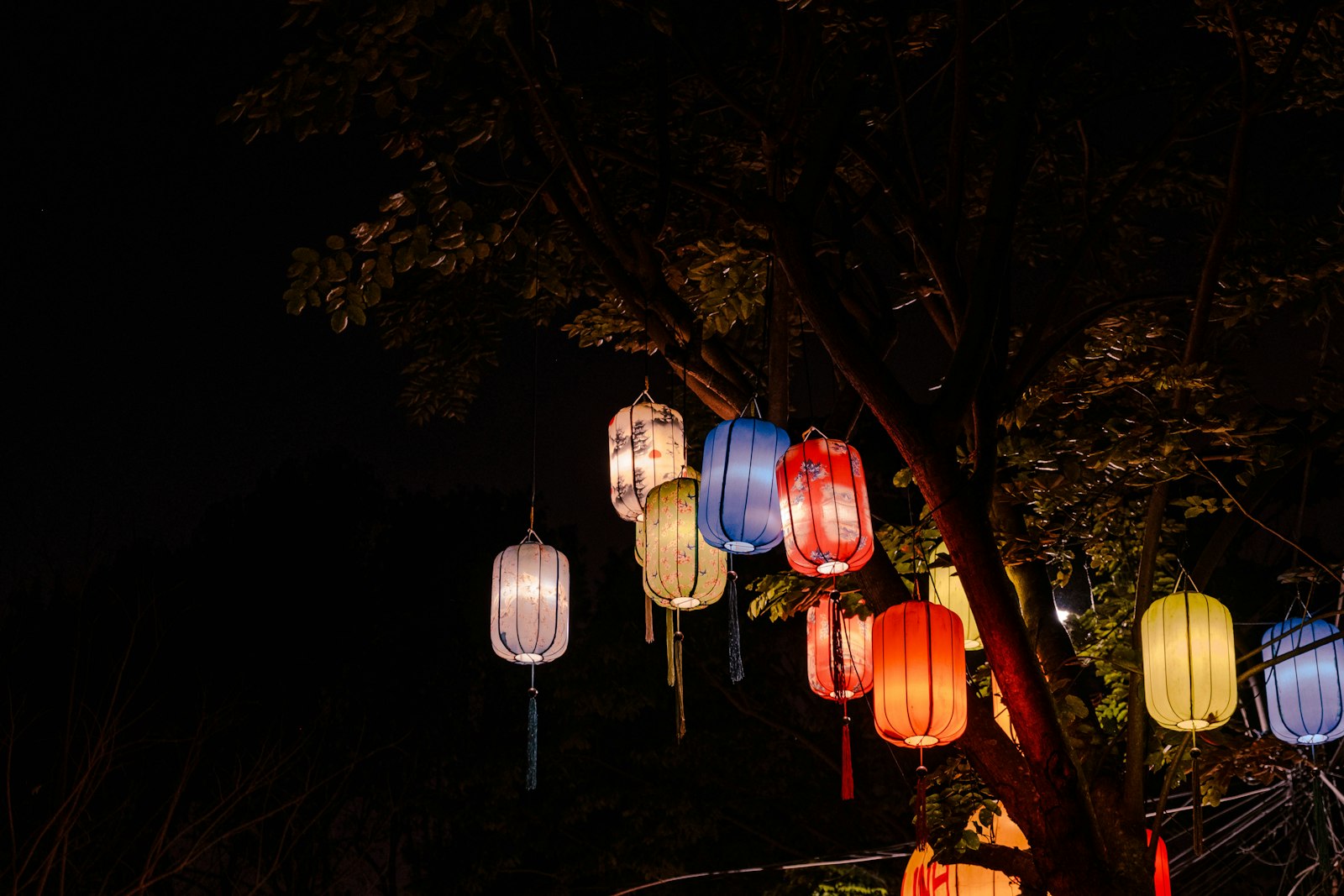
Rich Cultural Heritage
Vietnam's cultural heritage spans thousands of years, blending indigenous traditions with Chinese, French, and more recently, Western influences. This rich tapestry creates a fascinating and complex society that rewards those who take the time to understand it. From the ancient temples of Hue to the French colonial architecture of Hanoi, Vietnam's history is visible everywhere.
Confucian values remain a strong undercurrent in Vietnamese society, particularly in the north. Respect for elders, hierarchical relationships, and the importance of education are deeply ingrained. In relationships, these values manifest as respect for parents' opinions, emphasis on a partner's character and stability, and the importance of social harmony.
The concept of 'saving face' (giữ thể diện) is crucial in Vietnamese culture. Public criticism, confrontation, or embarrassment can cause someone to 'lose face,' damaging relationships and social standing. In a relationship context, this means disagreements should be handled privately, and you should avoid putting your partner in awkward social situations.
Vietnam's regional diversity is significant — northern Vietnamese tend to be more conservative and traditional, while southerners (particularly in Ho Chi Minh City) tend to be more open and relaxed. Central Vietnam has its own distinct character. Understanding which region your partner comes from helps you navigate cultural expectations appropriately.
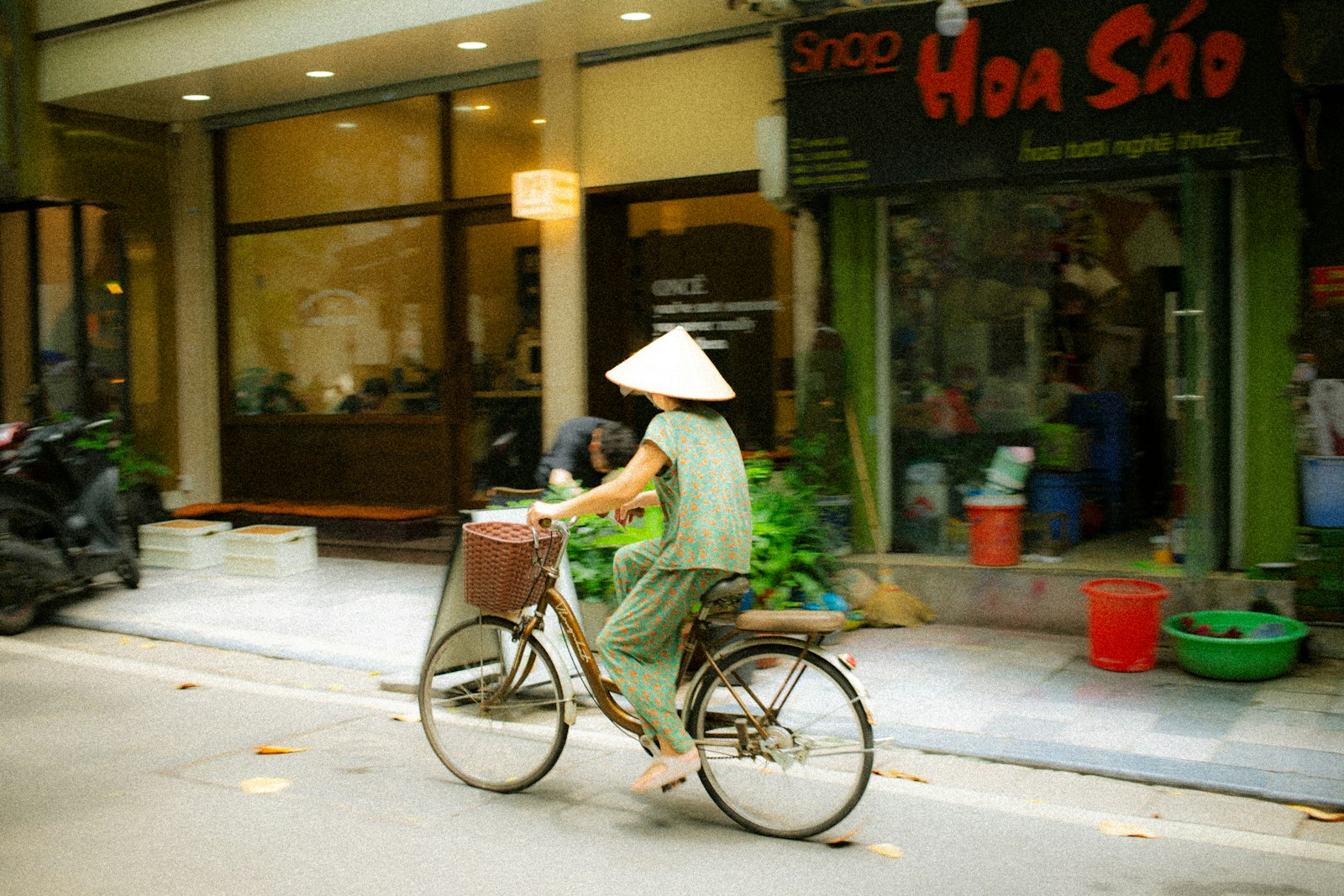
Traditional Values
Vietnamese traditional values center around family loyalty, respect for ancestors, and personal integrity. The family unit is the cornerstone of Vietnamese society, and decisions — especially major ones like marriage — are rarely made without family consultation. Understanding and respecting this collective decision-making process is essential.
In Vietnamese dating culture, the concept of courtship is taken seriously. Casual dating exists, especially among younger generations in cities, but many Vietnamese women are looking for serious, long-term relationships. Demonstrating your sincerity, stability, and commitment early on is important. Grand gestures matter less than consistent, genuine behavior over time.
Gender roles in Vietnam are evolving but still carry traditional influences. While Vietnamese women are increasingly independent and career-driven (Vietnam has one of the highest female labor force participation rates in the region), family expectations around marriage and children remain strong. Many Vietnamese women balance modern ambitions with traditional responsibilities.
Gift-giving is an important cultural practice. When visiting a Vietnamese family, bringing gifts (fruit, sweets, or quality tea) is expected. During Tet (Lunar New Year), red envelopes with money (lì xì) are given to children and elderly family members. Understanding these customs shows respect and cultural awareness.
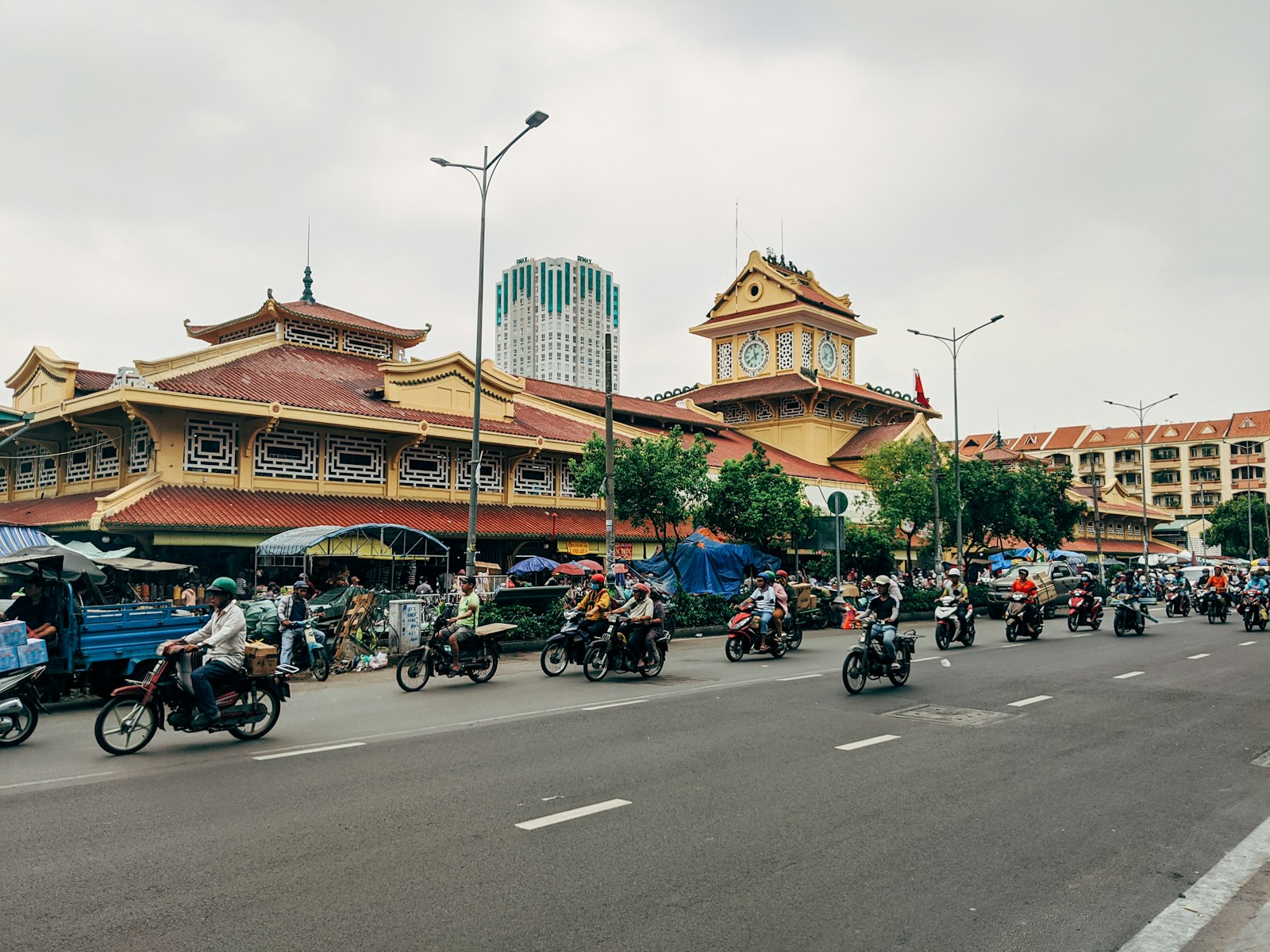
Growing Expat Community
Vietnam has become one of Southeast Asia's most popular destinations for expatriates, with thriving communities in Ho Chi Minh City, Hanoi, and Da Nang. This growing expat presence has created a more international atmosphere in major cities, making it easier for newcomers to settle in and build connections.
Ho Chi Minh City (Saigon) is the most cosmopolitan, with a large international community, numerous Western-style amenities, and a dynamic social scene. Hanoi offers a more traditional experience with a strong cultural identity. Da Nang has emerged as a favorite for its perfect balance of beach lifestyle, affordable living, and growing infrastructure.
The expat community provides valuable support networks for those navigating cross-cultural relationships. Online forums, social groups, and community events offer opportunities to connect with others who have faced similar challenges and can share practical advice about everything from visa requirements to cultural misunderstandings.
Vietnam's digital connectivity is excellent, with widespread 4G/5G coverage and affordable data plans. This makes it easy to stay connected with family back in Australia and maintain a remote work arrangement if needed. Many cafes and co-working spaces cater to digital nomads and remote workers.
Affordable Living Costs
Vietnam offers one of the most affordable costs of living in Southeast Asia, making it an attractive destination for Australians. A comfortable lifestyle in major cities costs a fraction of what it would in Sydney or Melbourne. This affordability extends to dining, accommodation, healthcare, and domestic travel.
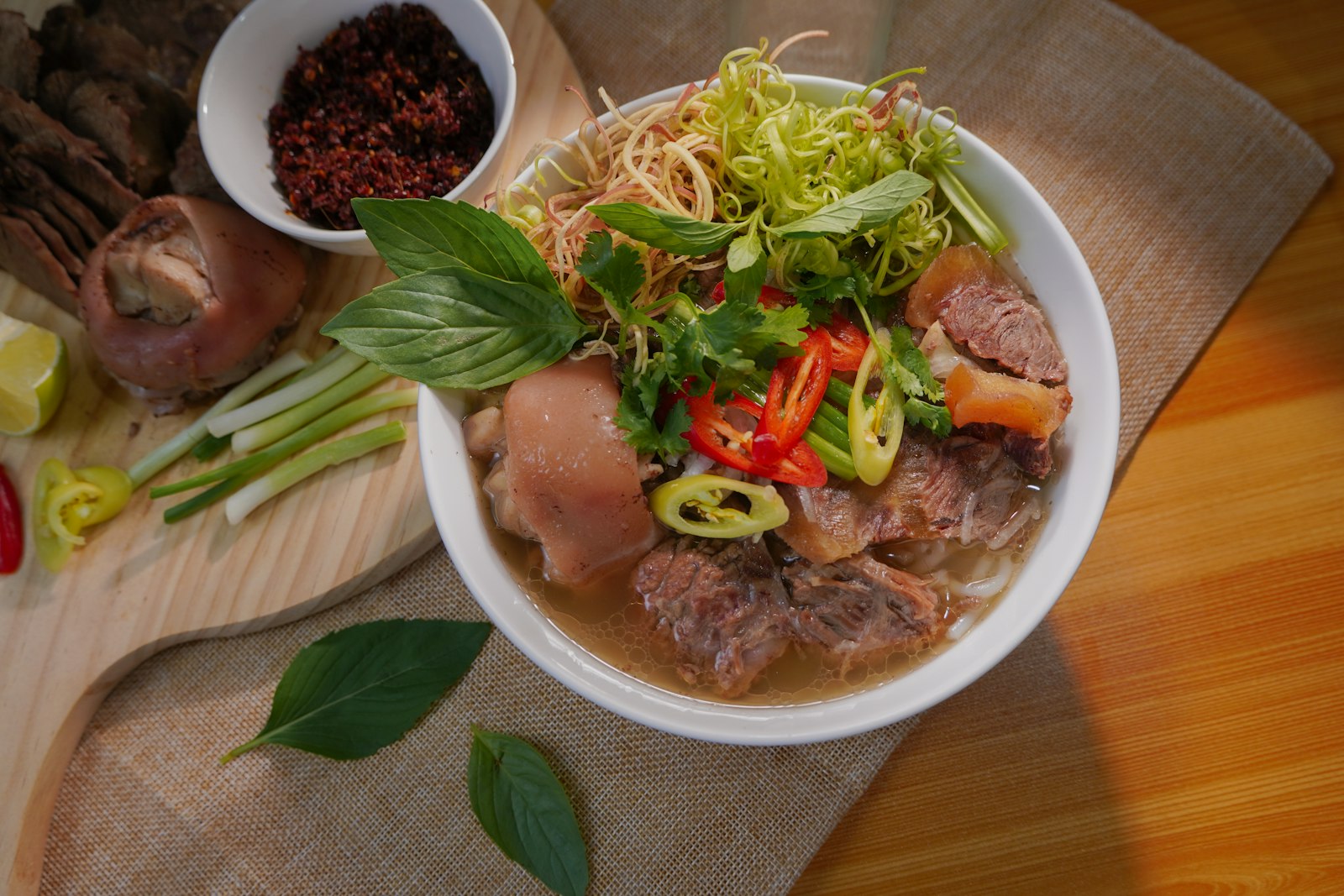
Street food is a way of life in Vietnam, and it's both incredibly delicious and remarkably cheap. A bowl of pho from a street vendor costs around 30,000-50,000 VND (roughly AUD $2-3). Fine dining experiences at upscale restaurants are also significantly more affordable than equivalent meals in Australia. Food is central to Vietnamese culture, and sharing meals together is one of the most important bonding activities.
Accommodation ranges from budget-friendly apartments to luxury serviced residences. In Ho Chi Minh City or Hanoi, a modern one-bedroom apartment in a good area can be rented for AUD $400-800 per month. In smaller cities like Da Nang, costs are even lower. Many apartments come fully furnished with amenities.
Healthcare in Vietnam has improved significantly, with modern private hospitals and clinics available in major cities. International-standard healthcare is available at a fraction of Australian costs. Travel insurance and private health coverage are still recommended, but out-of-pocket costs for routine care are very manageable.