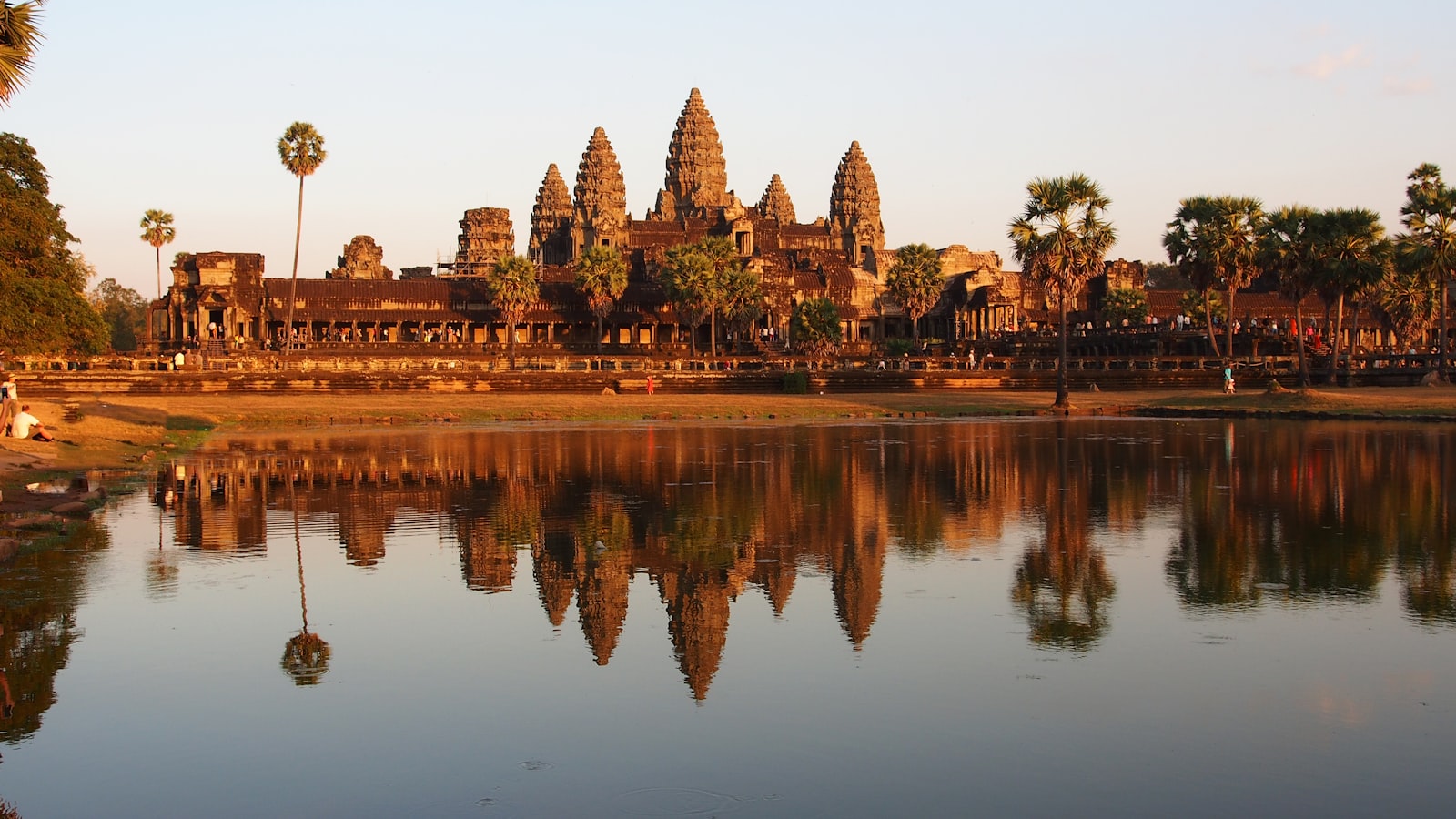
A Week in Cambodia: Phnom Penh, Siem Reap, and Why Aussies Are Starting to Notice
Most Aussies treat Cambodia as a two-day stop on the way to Thailand. Spend a proper week, split between the capital and the temples, and the country rearranges itself in your head.
Most Aussie travellers picture Cambodia as a single thing: Angkor Wat. You fly into Siem Reap, you spend two or three days at the temples, you fly out. That's a postcard, not a trip. Spend a proper week, split between Phnom Penh and Siem Reap, and Cambodia rearranges itself in your head. It becomes a country, with two distinct moods, a complicated history that's still close enough to touch, and a quietly warm population that doesn't announce itself. Of all the places we cover in Southeast Asia, Cambodia is the one most likely to surprise you.
Why Cambodia, why now
For most of the last twenty years Cambodia sat in the shadow of Thailand and Vietnam. Cheaper, smaller, with a heavier history. That's changing. Phnom Penh has become a real city, with a working riverside, a decent restaurant scene, and an expat community small enough to be friendly without being lonely. Siem Reap has matured past the backpacker years into something gentler. Both cities have direct flights from Bangkok, Singapore, and Ho Chi Minh City; from Sydney or Melbourne you'll usually connect through one of those. Cost of living is below Vietnam and well below Thailand. US dollars are accepted everywhere, with riel used for small change. The English-speaking service sector is small but growing fast.
Phnom Penh: the working capital
Phnom Penh is not pretty the way Hanoi is pretty. It's a working city, dusty in the dry season and sticky in the wet. But it has a calm at its centre that surprises first-time visitors. The riverside, where the Tonle Sap and the Mekong meet, is where the city actually socialises in the evenings: families walking, monks queuing for ice cream, expats at the rooftop bars set further back. The Royal Palace and the Silver Pagoda are worth a half day. The National Museum is worth a slow afternoon.
The harder visit is the Tuol Sleng Genocide Museum (S-21) and the Choeung Ek Killing Fields. Go. Don't skip them because they're heavy. The Khmer Rouge era ended in 1979, which means most Cambodians you meet have parents or grandparents who lived through it. You won't understand the country, or any real conversation with a Cambodian older than fifty, without spending an afternoon at one of these sites. Take your time. Sit on a bench afterwards. Don't try to do anything else with the rest of the day.
Siem Reap: temples and a slower life
Six hours by bus or forty minutes by plane northwest, and you're in Siem Reap, which is a different country in mood. The town itself is small, walkable, and oriented around the visitor. Pub Street is loud and tacky and you should walk through it once for the experience and then never go back. The real Siem Reap is the cafes around Wat Bo, the night markets that aren't Pub Street, the spa lanes, and the quiet pockets a ten-minute tuk-tuk ride out of the centre.
The temples are why you're here. Most people do three days. Day one: sunrise at Angkor Wat, then Bayon and Angkor Thom, ending at Ta Prohm. Day two: the further temples on the grand circuit (Preah Khan, Neak Pean, East Mebon) at your own pace. Day three: a morning out to Banteay Srei, the small pink-stone temple an hour out of town, then an afternoon back at Angkor Wat for golden hour, the version locals prefer. Hire a tuk-tuk driver for the duration. AUD $25 a day, including bottled water. The good ones will adjust the route on the fly when they see your energy flagging.
A sensible week
The split most Aussies regret not doing is four nights in Phnom Penh, three in Siem Reap. The capital gets shortchanged on most itineraries because everyone is racing to the temples. Don't make that mistake. Phnom Penh is where you'll actually understand what kind of country Cambodia is becoming. Siem Reap is the highlight reel; Phnom Penh is the texture.
Cost of living, roughly
- Hotel: A solid mid-range hotel with a pool runs AUD $50-90 in either city. Serviced apartments for longer stays start around AUD $400 a month.
- Food: A bowl of kuy teav (the breakfast soup) or a plate of lok lak is AUD $3-5 at a local spot. Western meals AUD $15-25 with a drink.
- Transport: Tuk-tuks everywhere. Cross-town rides AUD $3-5. Grab works in Phnom Penh; PassApp (the local equivalent) works in both cities.
- Beer: An Angkor draft is around AUD $1 at most local bars. Yes, really.
- SIM: A tourist SIM with 30GB is AUD $10. Smart and Metfone both work fine.
Visas and long stays
Australians get visa-on-arrival for AUD $50, valid 30 days, extendable once at an agent inside the country. The longer business visa (E-class) is what most long-term expats use; you can roll it indefinitely through an agent for around AUD $400 a year. There's no formal residency pathway most foreigners use; the rolling business visa is the standard. Compared with Vietnam or Thailand, Cambodia is the easiest country in the region to actually stay in.
Dating and community
Khmer women carry the country's history more visibly than the men, in our experience. There's a softness to them, but also a steadiness, that comes from being one generation removed from something terrible. Family is even more central here than in the Philippines or Vietnam; courtship is slower and more formal, and the involvement of parents (mothers in particular) starts very early. Phnom Penh has a young, educated cohort of women in their late twenties working in finance, NGOs, and tech. Siem Reap skews more service-sector. Both cities reward patient, respectful men, and neither rewards transactional approaches. The women you'll meet here have seen plenty of those, and they're polite about it but not fooled.
The downsides, honestly
The streets are dustier than you expect. Healthcare is improving but you'll still want to fly to Bangkok for anything serious. The road infrastructure outside the two main cities is poor; don't plan to drive yourself. And the wet season (June to October) is genuinely wet, with afternoon downpours that close down outdoor plans. None of this should put you off Cambodia. It just means the country rewards travellers who arrive with the right expectations.
Spend a week in Cambodia and you'll leave with a different feel for Southeast Asia as a whole. Slower than Thailand, gentler than Vietnam, heavier and lighter at once. The country has a way of staying with you in a way the bigger destinations don't, and most Aussies who go once come back within a year.
Keep reading
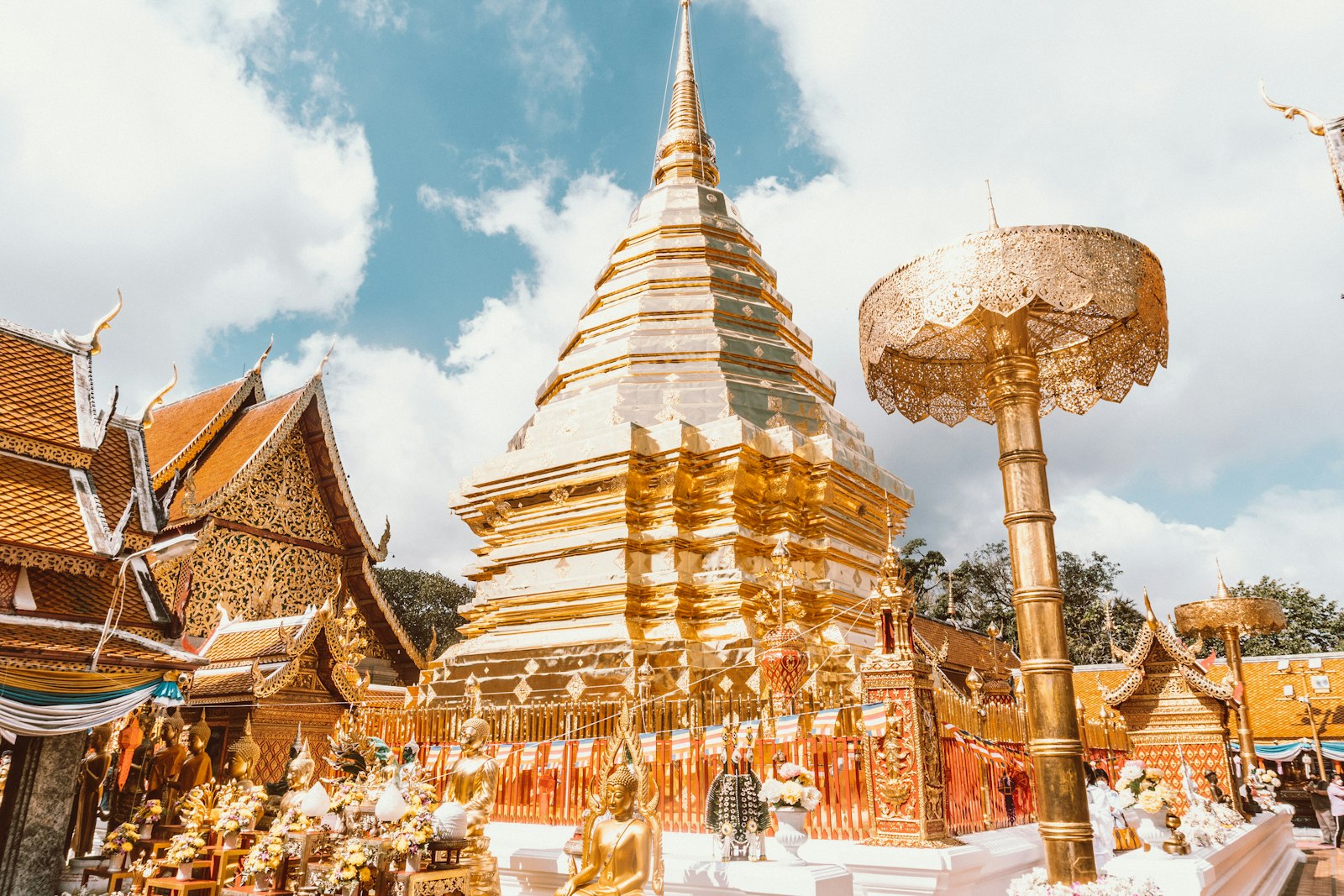
A Week in Chiang Mai: The Slow Way to See Thailand's Northern Capital
Forget the bar-street circuit. A week in Chiang Mai, done right, will reset how you think about travel in Southeast Asia.
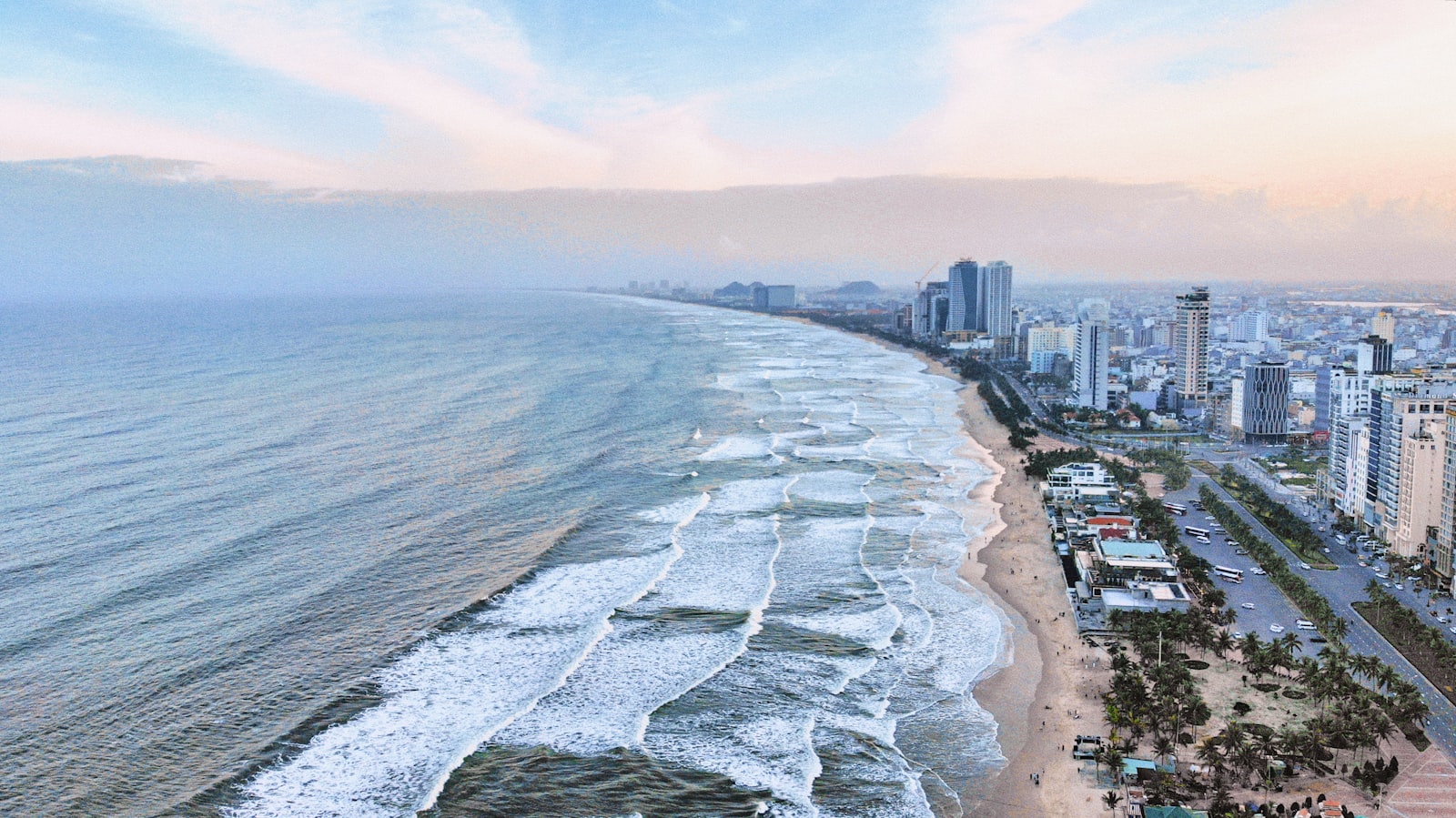
Vietnam's Rise: Why Da Nang and Nha Trang Are the New Expat Hotspots
Ho Chi Minh City and Hanoi get the attention. But a growing community of Aussies is settling on Vietnam's central coast, and for good reasons.

Tampo: The Filipino Silent Treatment, and How to Actually Resolve It
Jeff Davis on tampo, the Filipino silent treatment that frustrates every foreign husband. Why it happens, how Filipinos handle it, and a better way.
More like this, every month
Cultural guides and honest advice about cross-cultural relationships, free to read.
Explore the Country Guides