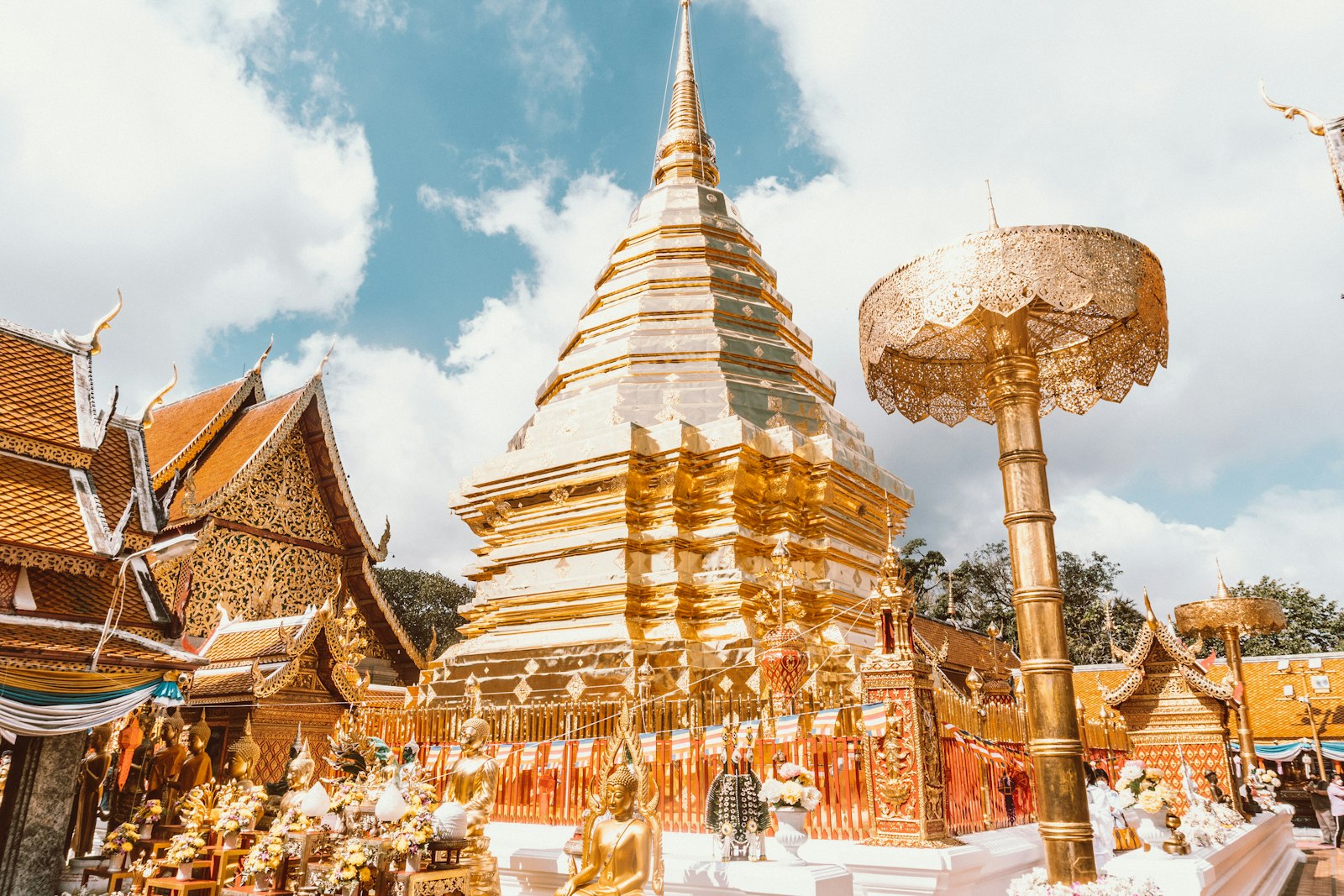
A Week in Chiang Mai: The Slow Way to See Thailand's Northern Capital
Forget the bar-street circuit. A week in Chiang Mai, done right, will reset how you think about travel in Southeast Asia.
Bangkok is the obvious first stop for most Aussie travellers, and Phuket gets the beach crowd. But if you want to actually understand Thailand (the quieter, more traditional Thailand that produced many of the women our community is interested in meeting), you need a week in Chiang Mai. The pace, the food, the Buddhism, and the way people actually live with each other is different up north, and the city rewards the patient visitor in ways the southern islands never will.
Before you go: practical notes
- Visa: Australians get 60 days on arrival. Easy. Bring a printed onward flight if you're nervous.
- Getting from the airport: Grab works well; AUD $5 to the old city. Taxis meter; make sure they switch it on.
- SIM: Grab a tourist SIM at the airport. AIS or TrueMove; around AUD $15 for a week of generous data.
- Money: ATMs are everywhere. Carry some cash for small stalls. Cards are accepted in nicer places, less so in markets.
- Weather: November to February is cool and dry, perfect. March to May is hot and smoky (burning season). Check air quality before you book.
- Language: English is widely understood in tourist areas, less so elsewhere. Learn 'sawasdee khrap' (hello) and 'khop khun khrap' (thank you).
Day 1: Settle, don't sprint
Fly in, grab a Grab to your hotel (stay inside or just outside the moat), and resist the urge to do anything big on day one. Walk the old city at sunset. Eat khao soi at the nearest place with a queue of locals. Go to bed early. You are here for a week. You are not on a checklist. The single biggest mistake Aussies make in Chiang Mai is treating it like a long weekend in Singapore, and ending up too tired on day four to actually enjoy the best days.
Day 2-3: Temples, slowly
Chiang Mai has hundreds of wats. Don't try to see them all. Pick three or four: Wat Phra Singh, Wat Chedi Luang, Wat Phan Tao, and one up on Doi Suthep for the view. Spend real time at each. Sit. Watch. Thai Buddhism rewards the patient observer. Notice who prays, and how; notice the small details of the architecture that change from temple to temple. If you go to Doi Suthep, go in the late afternoon and stay for the golden hour. It's a short uphill climb and a long memory.
Day 4: Cooking class
Book a half-day Thai cooking class at one of the organic farms outside town. You'll learn more about the food, the produce, and the rhythm of daily life than any guided tour will give you. And you'll leave knowing how to make a green curry that will impress anyone back home. Look for classes that include a morning market visit. The walk through the produce stalls with a Thai teacher explaining what everything is and how it gets used at home is worth the cost of the class by itself.
Day 5: Head to Pai, or don't
Pai is three hours of winding mountain roads north of Chiang Mai. It's either a highlight or a skip, depending on how you feel about small hippie towns. If you go, stay two nights, not one. The drive up is long enough that doing a single overnight is a waste. If you don't, spend the day at a quiet cafe like Ristr8to and do nothing. Both are valid. If you're prone to motion sickness, skip Pai; the road has a reputation for a reason.
Day 6: Sunday Walking Street
If your week lands over a weekend, do not miss the Sunday Walking Street on Ratchadamnoen Road. It runs from 4pm to around 10pm and is the single best showcase of northern Thai food, craft, and community you'll find. Go hungry. Wear comfortable shoes. Bring cash. Don't try to buy everything you like; the same stalls are back next week, and the local craft is of a genuinely high standard once you know what to look for.
Day 7: A long breakfast and a flight
End the week the way you started it. A long breakfast at a slow cafe, a walk along the moat, and a quiet flight out. You'll leave with a very different feel for Thailand than a week in Phuket would have given you, and you'll understand the culture of Thai women from the north in a way you couldn't before. The pace, the quiet respectfulness, the warmth that doesn't announce itself: all of that lives in this city, and spending seven days in it is the closest thing to a crash course in Lanna values that a foreigner can get.
Where to base yourself
Inside the old city (within the moat) is the easiest for a first trip. Everything is walkable, the night markets are close, and the vibe is quiet after 10pm. The Nimman neighbourhood, fifteen minutes west, is where the younger, trendier crowd hangs out, with better cafes and cocktail bars. The Ping River area is calmer and more upmarket. For a week, old city is your best bet. For longer stays, Nimman wins.
Keep reading

A Week in Cambodia: Phnom Penh, Siem Reap, and Why Aussies Are Starting to Notice
Most Aussies treat Cambodia as a two-day stop on the way to Thailand. Spend a proper week, split between the capital and the temples, and the country rearranges itself in your head.
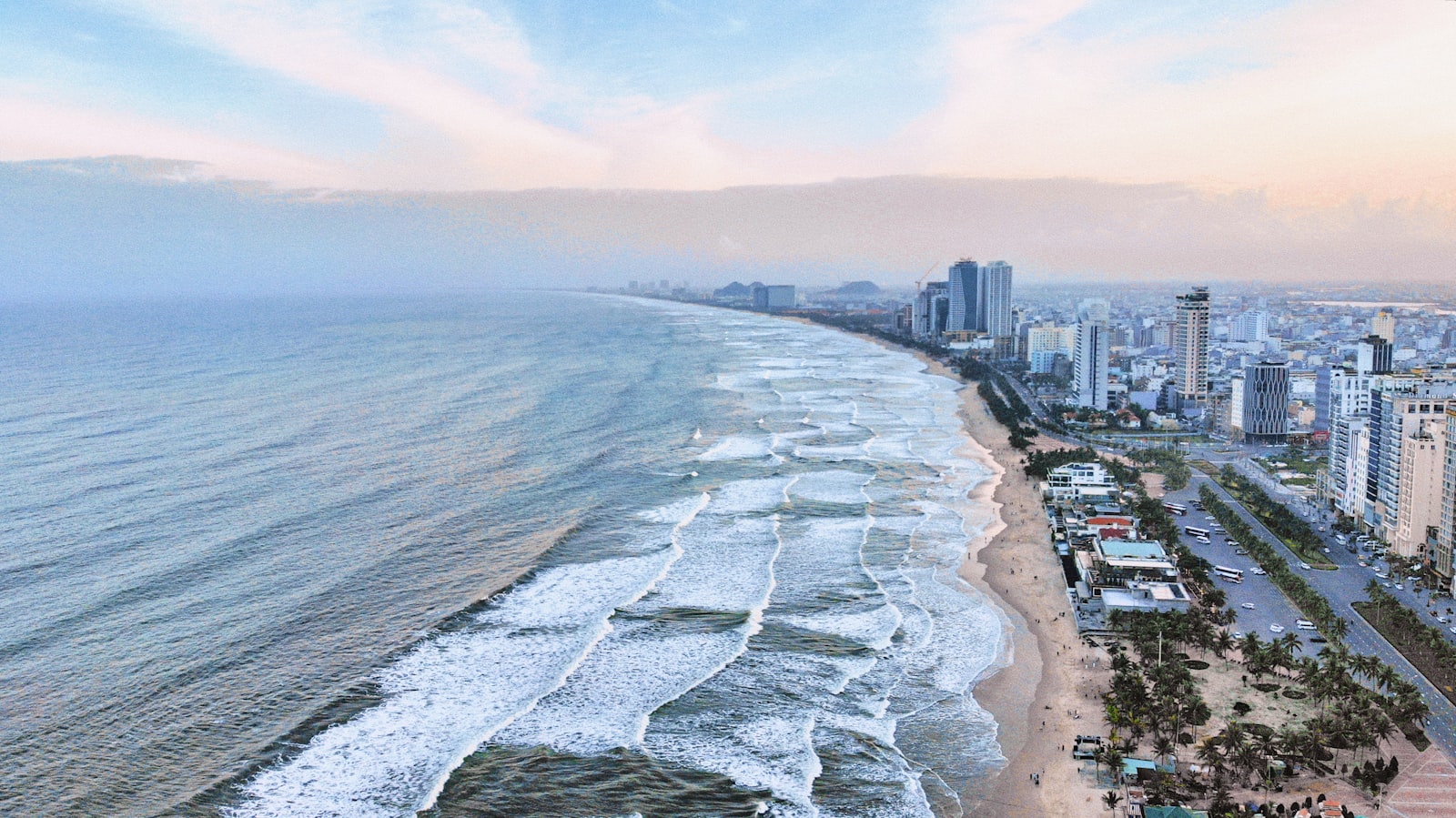
Vietnam's Rise: Why Da Nang and Nha Trang Are the New Expat Hotspots
Ho Chi Minh City and Hanoi get the attention. But a growing community of Aussies is settling on Vietnam's central coast, and for good reasons.
Tampo: The Filipino Silent Treatment, and How to Actually Resolve It
Jeff Davis on tampo, the Filipino silent treatment that frustrates every foreign husband. Why it happens, how Filipinos handle it, and a better way.
More like this, every month
Cultural guides and honest advice about cross-cultural relationships, free to read.
Explore the Country Guides