Japan
Tradition & Innovation
Capital
Tokyo
Language
Japanese
Religion
Shinto, Buddhism
Currency
Japanese Yen (JPY)
Time Zone
UTC+9
Best Time to Visit
March - May, September - November
The Japan guides
Free to read, no account needed.
Overview
Japanese culture emphasizes harmony, politeness, and attention to detail. Understanding concepts like 'wa' (harmony), 'honne and tatemae' (true feelings vs. public facade), and the importance of indirect communication is crucial.
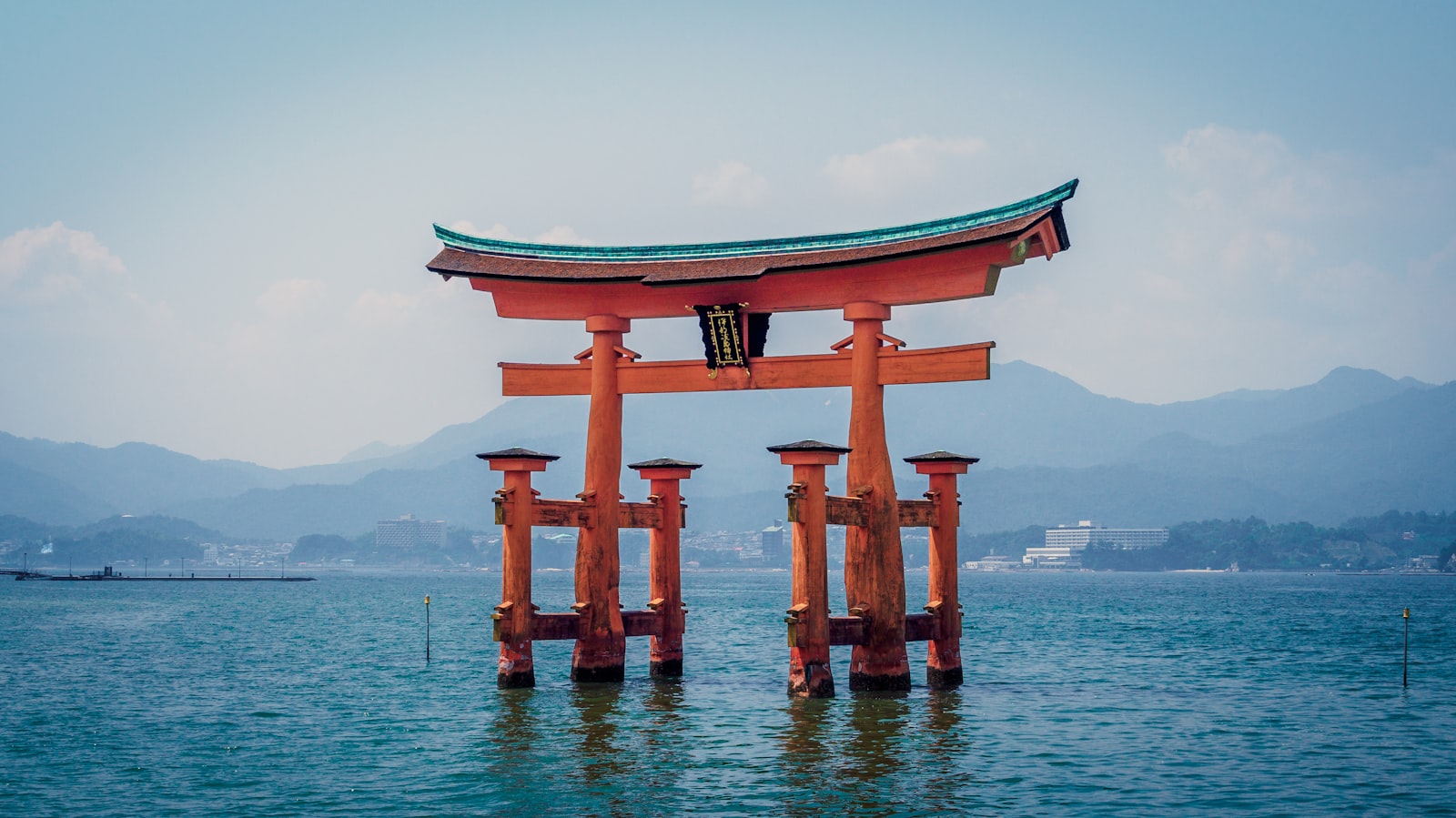
Rich Tradition & Innovation
Japan is a country of fascinating contrasts — ancient temples stand alongside futuristic skyscrapers, and centuries-old tea ceremonies coexist with cutting-edge technology. Understanding this duality is key to appreciating Japanese culture and navigating relationships with Japanese women.
Japanese society values 'wa' (harmony) above most other social principles. Avoiding conflict, maintaining group cohesion, and being considerate of others' feelings are paramount. In relationships, this manifests as a preference for indirect communication, subtle hints rather than direct statements, and a tendency to avoid confrontation. Learning to read between the lines is an essential skill.
The concept of 'honne and tatemae' (true feelings versus public persona) is fundamental to Japanese social interaction. Japanese people often present a polished, agreeable exterior (tatemae) while keeping their genuine thoughts and feelings (honne) private. Building enough trust for your partner to share her honne with you takes time and patience, but it's a sign of deep intimacy when she does.
Seasonal awareness (kisetsukan) is deeply embedded in Japanese culture, influencing everything from cuisine to fashion to conversation topics. Cherry blossom viewing (hanami) in spring, summer festivals (matsuri), autumn foliage viewing (momijigari), and winter hot springs (onsen) provide wonderful opportunities for culturally rich dates throughout the year.
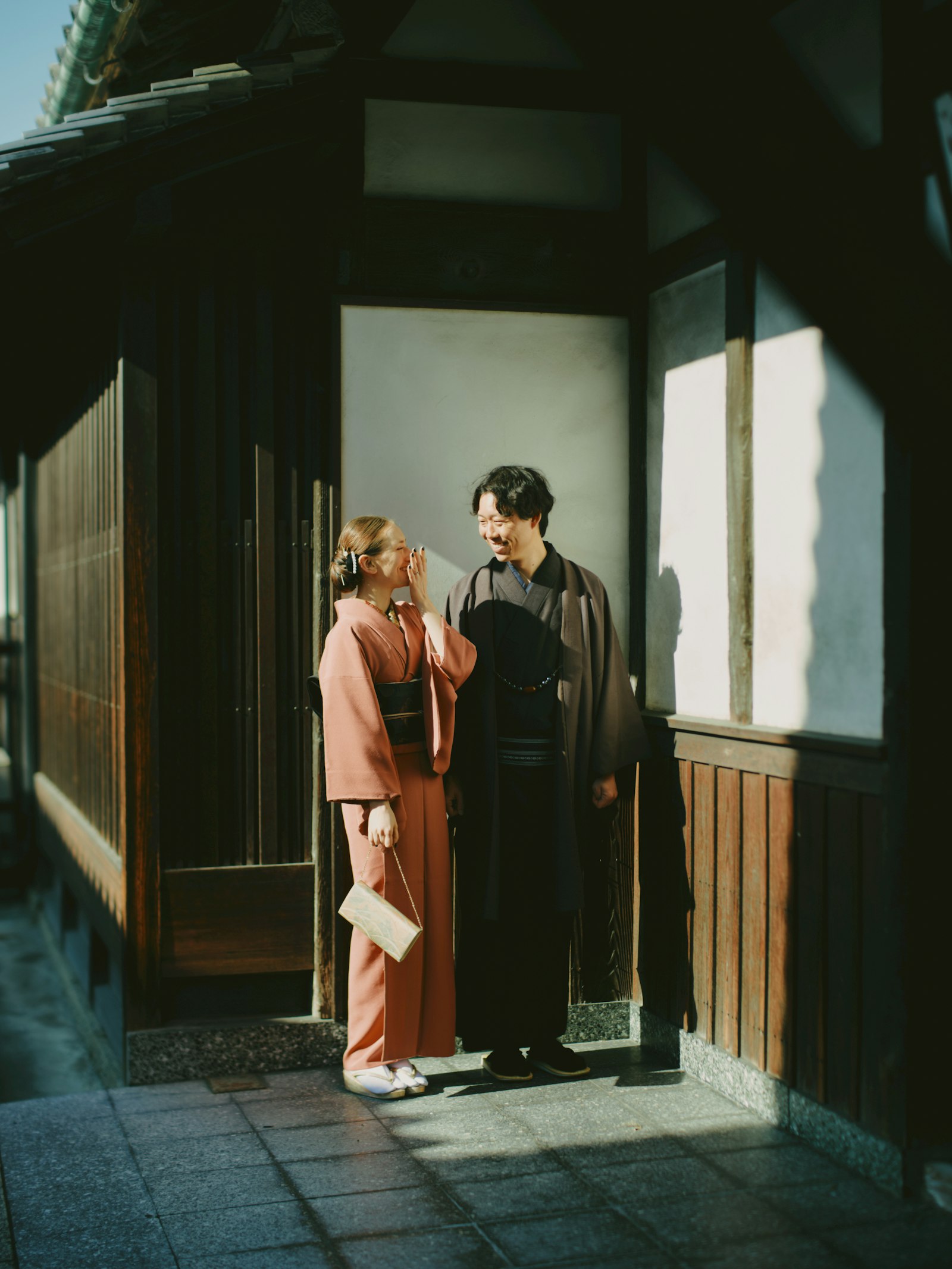
Respectful Social Norms
Japanese society operates on a complex system of social norms and etiquette that can initially seem overwhelming but becomes intuitive with time. Understanding these norms is crucial for making a good impression on your partner and, eventually, her family.
Bowing is the traditional greeting in Japan, and the depth and duration of the bow indicates the level of respect. While handshakes are acceptable in international settings, knowing when and how to bow properly shows cultural awareness. When meeting your partner's parents for the first time, a respectful bow and polite self-introduction in Japanese will make a strong impression.
Gift-giving is an art form in Japan, with careful attention paid to wrapping, presentation, and appropriateness. When visiting someone's home, bringing a thoughtful gift (such as quality sweets from a department store, fruit, or a souvenir from Australia) is expected. Gifts should be wrapped neatly and presented with both hands. Avoid giving items in sets of four (the number four sounds like 'death' in Japanese).
Personal space and cleanliness are highly valued. Removing shoes when entering a home (and sometimes restaurants and other establishments), keeping your voice at a moderate level in public, and maintaining personal hygiene are basic expectations. Public displays of affection are rare in Japan — holding hands is generally acceptable, but kissing or embracing in public is uncommon.

Unique Dating Culture
Japanese dating culture has several unique features that differ from Western norms. One of the most distinctive is 'kokuhaku' (confession) — the formal declaration of romantic interest. In Japan, relationships often don't begin with casual dating but with one person explicitly confessing their feelings and asking the other to be in a relationship. This makes the transition from friendship to relationship more defined.
Once in a relationship, Japanese couples often celebrate monthly anniversaries, exchange gifts on special occasions (including White Day, March 14, when men give gifts to women who gave them chocolate on Valentine's Day), and maintain a clear distinction between 'dating' and 'just friends.' The concept of exclusive dating is assumed once both parties agree to be in a relationship.
Meeting through mutual introductions, group activities, and increasingly through dating apps is common. 'Gokon' (group blind dates) where equal numbers of men and women meet at a restaurant or bar are a traditional way to meet potential partners. International dating apps and events specifically for those interested in cross-cultural relationships also exist in major Japanese cities.
The phenomenon of declining marriage and birth rates in Japan has led to increased openness toward international relationships. While some families may initially be surprised by a foreign partner, genuine effort to learn Japanese language and customs typically wins acceptance. Many Japanese women find the more direct communication style of Western men refreshing compared to the indirectness common in Japanese dating.

Safe & Orderly Society
Japan is consistently ranked as one of the safest countries in the world, with remarkably low crime rates, efficient public services, and a strong sense of social order. This safety and reliability create a comfortable environment for international visitors and those building cross-cultural relationships.
Japan's public transportation system is world-renowned for its punctuality, cleanliness, and efficiency. The Shinkansen (bullet train) network connects major cities with remarkable speed and reliability. For couples exploring Japan together, the Japan Rail Pass offers excellent value and the opportunity to experience the country's efficient infrastructure firsthand.
Healthcare in Japan is of exceptional quality and is more affordable than in many Western countries. The national health insurance system provides comprehensive coverage, and hospitals and clinics maintain high standards. For those considering a longer stay in Japan, access to quality healthcare is an important practical consideration.
Japan's attention to detail and quality extends to every aspect of daily life — from the presentation of food to the design of public spaces to the reliability of services. This culture of excellence can be both impressive and, for some newcomers, slightly intimidating. Understanding that the pursuit of quality (monozukuri) is a cultural value, not perfectionism, helps you appreciate rather than feel overwhelmed by Japanese attention to detail.