Philippines
Dating Culture & Cultural Insights
Capital
Manila
Language
Filipino, English
Religion
Predominantly Catholic
Currency
Philippine Peso (PHP)
Time Zone
UTC+8
Best Time to Visit
November - April
The Philippines guides
Free to read, no account needed.
Overview
Filipino culture emphasizes family values, hospitality, and strong English proficiency. Understanding the importance of family approval, religious traditions (predominantly Catholic), and the concept of 'utang na loob' (debt of gratitude) is crucial for successful relationships. The Philippines offers stunning beaches, vibrant festivals, and a welcoming atmosphere for international visitors.
English Widely Spoken
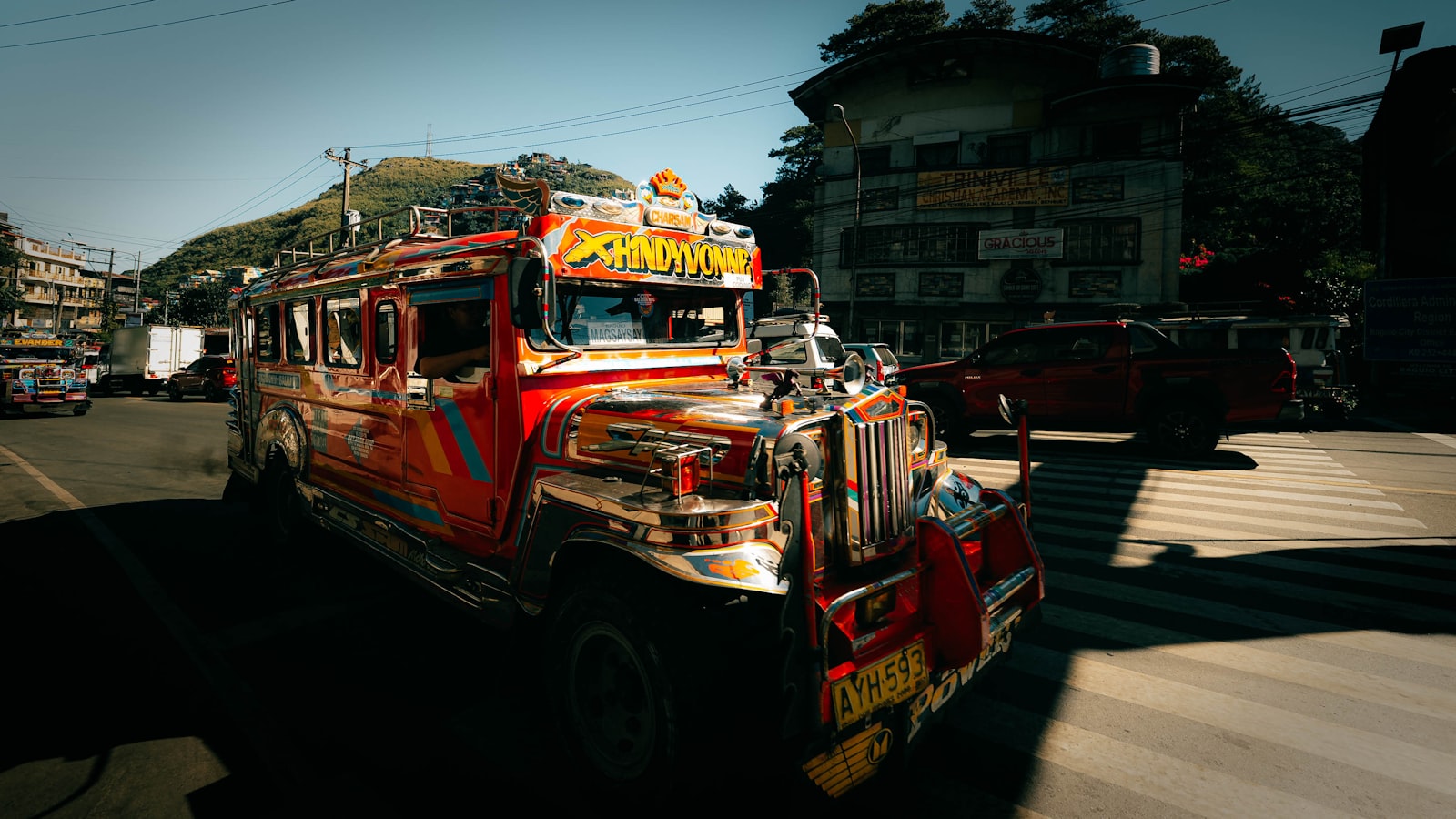
The Philippines stands out in Southeast Asia for its exceptionally high level of English proficiency. English is one of the country's two official languages, alongside Filipino (Tagalog), and is used extensively in education, business, government, and media. This creates a uniquely accessible environment for Australian men looking to build relationships.
Unlike many other countries in the region, language barriers are rarely a significant issue. Most Filipinas can communicate comfortably in English, which allows for deeper, more nuanced conversations from the start. This linguistic common ground makes it easier to understand each other's intentions, share humor, and discuss important relationship topics like values and expectations.
However, it's worth noting that while English is widely spoken, local languages and dialects (such as Cebuano, Ilocano, and Waray) remain important in daily life and family settings. Learning a few phrases in your partner's native dialect shows respect and genuine interest in their culture, and will be greatly appreciated by her family.
Family-Oriented Culture
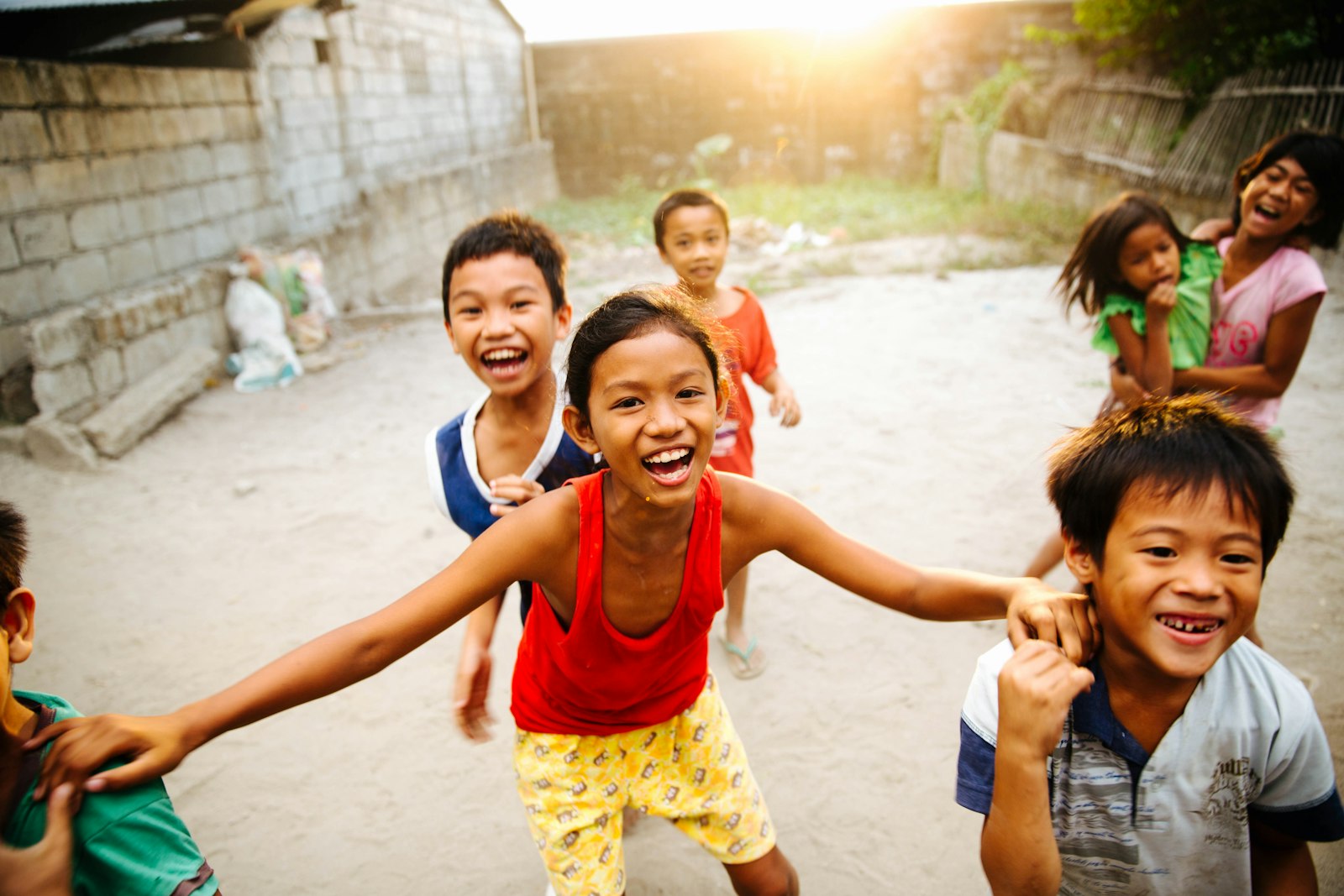
In the Philippines, family isn't just important — it's everything. The Filipino family structure is deeply interconnected, with extended families often living together or in close proximity. When you enter a relationship with a Filipina, you are effectively entering a relationship with her entire family. This is a fundamental aspect of Filipino culture that Australian men must understand and embrace. The same instinct to avoid direct confrontation shows up in a specific behavioural pattern called tampo, the Filipino silent treatment, which every Australian husband encounters at some point.
The concept of 'utang na loob' (debt of gratitude) plays a significant role in family dynamics. Family members are expected to support one another through thick and thin, and this extends to in-laws. Financial support for family members, especially aging parents, is not just common — it's expected. This is not about being taken advantage of; it's a deeply ingrained cultural value of reciprocity and care. Jeff's article on utang na loob unpacks where it comes from, how it shapes families across generations, and when it gets weaponised.
Family approval is crucial in Filipino relationships. Before a relationship becomes serious, meeting and gaining the approval of her parents is an important milestone. Filipino parents are generally warm and welcoming, but they will be assessing whether you can provide stability and whether you respect their culture. Coming prepared with small gifts (pasalubong) and showing genuine interest in getting to know the family goes a long way. For a first-person account of what a first family visit can actually feel like in practice, see Jeff's article on meeting his wife's family in the Philippines.
Large family gatherings, celebrations, and fiestas are central to Filipino social life. Being enthusiastic about participating in these events — from birthday celebrations to town fiestas — shows that you value the family unit and are willing to integrate into their world.
Catholic Traditions
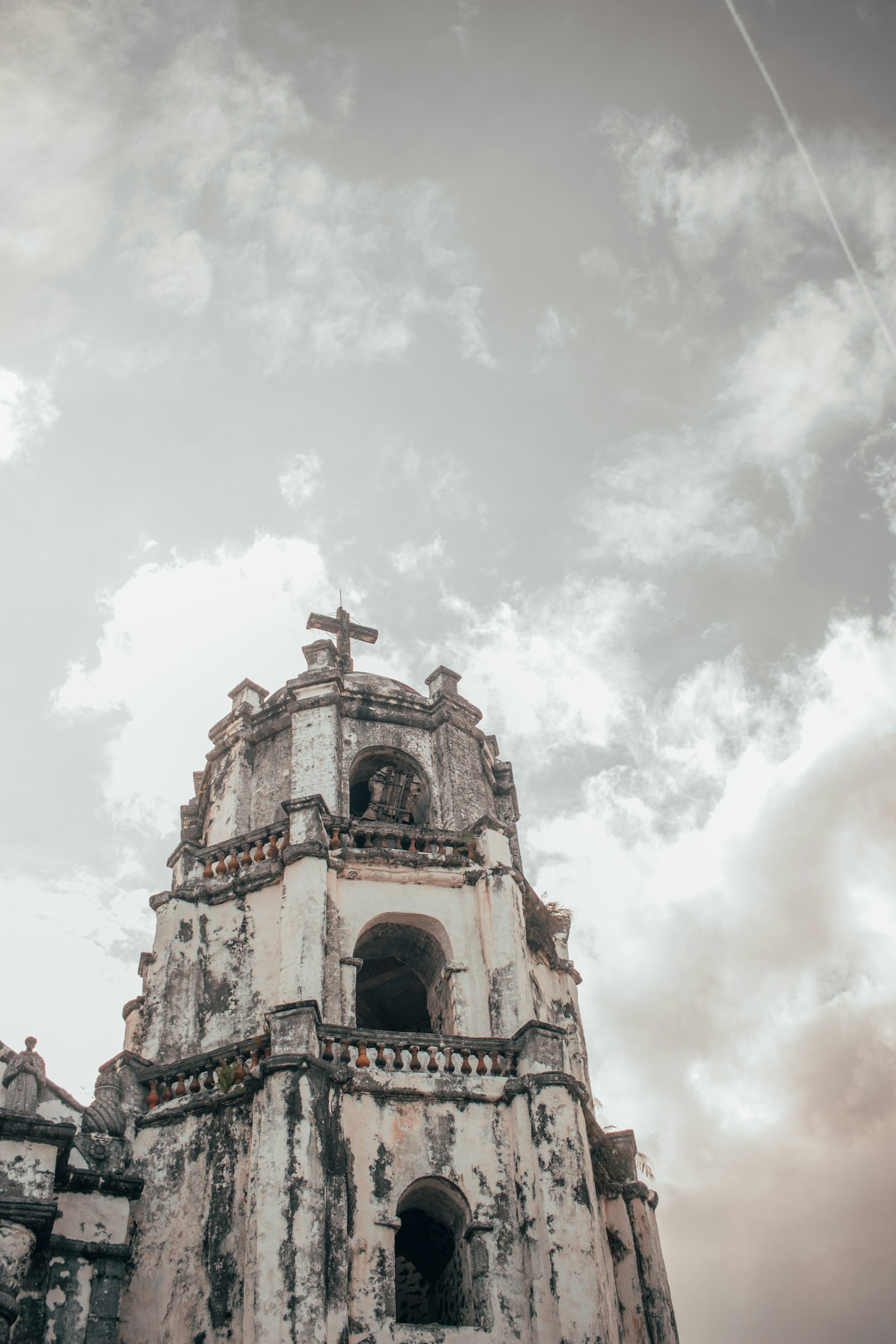
The Philippines is the largest Catholic country in Asia, with approximately 80% of the population identifying as Roman Catholic. This deep religious foundation shapes nearly every aspect of Filipino life, from daily routines to major life decisions, and plays a significant role in relationships and marriage.
Church attendance is a regular part of life for many Filipinas, and religious holidays — particularly Christmas (which starts as early as September in the Philippines!), Holy Week, and feast days of patron saints — are major cultural events. Understanding and respecting these traditions is essential, even if you don't share the same faith.
When it comes to relationships, Catholic values influence expectations around courtship, commitment, and marriage. Many Filipinas value traditional courtship (called 'panliligaw'), where a man demonstrates his sincerity through consistent effort and respectful behavior over time. The concept of modesty and chastity is often valued, though attitudes vary significantly between urban and rural areas and across generations.
Marriage is considered sacred and largely permanent in Filipino culture — the Philippines remains one of the few countries in the world where divorce is not legal (annulment exists but is costly and difficult to obtain). Understanding this before entering a serious relationship is important. For many Filipinas, marriage is a lifelong commitment made before God and family.

Island Paradise Destinations
With over 7,600 islands, the Philippines offers some of the most breathtaking tropical scenery in the world. From the world-famous beaches of Boracay and Palawan to the Chocolate Hills of Bohol and the rice terraces of Banaue, the country is a paradise for travelers and couples alike.
Popular destinations for couples include Palawan, often voted the world's most beautiful island, with its stunning lagoons and underground river. El Nido and Coron offer island-hopping adventures through crystal-clear waters and hidden beaches. Siargao has become a hotspot for surfing and laid-back island vibes. Cebu combines city life with nearby island escapes like Mactan and Bantayan.
Beyond the beaches, the Philippines offers vibrant cities like Manila and Cebu, rich with history, excellent food, and nightlife. Exploring these urban centers gives insight into modern Filipino life, while trips to provincial areas reveal the more traditional, rural side of the culture.
Traveling together within the Philippines is one of the best ways to deepen a relationship. Filipinas often love exploring their own country, and visiting her hometown or province together is a meaningful gesture. Domestic flights and ferries make island-hopping affordable, and the tourism infrastructure in popular areas is well-developed.